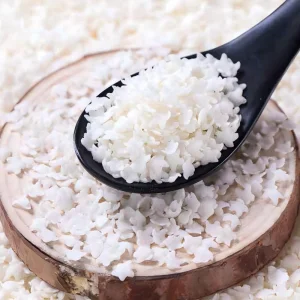
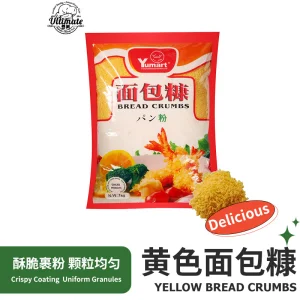
Optimized texturizers, binding agents, and customized dry matrices for high-throughput commercial applications.
Providing functional properties beyond sweetness: Viscosity control, osmotic pressure management, and Maillard browning dynamics.
Modern food science requires syrups to deliver functional attributes. From cryoprotection in frozen dairy matrices to humectancy control in baked goods, Chinese corn, wheat, and tapioca-derived sweeteners provide precise DE (Dextrose Equivalent) values to meet exact mechanical requirements.
Industrial sweetening agents must pass strict global regulatory standards. B2B purchasers must balance local food labeling laws (e.g., FDA, EFSA) with chemical specifications, ensuring all clean-label claims are supported by traceable, non-GMO farming and enzymatic processing pathways.
Large-scale food manufacturers require consistent chemical specifications and reliable logistical delivery. China's integrated corn-wet milling industry provides stable supply chains, reducing risks associated with feedstock price volatility and oceanic shipping disruptions.
In industrial food processing, sweetness is rarely a standalone requirement. The choice of a sweetening agent dictates the finished product's viscosity profile, moisture retention (water activity management), shelf-life stability, and thermal behavior. Liquid glucose syrups, maltodextrin profiles, and high-fructose corn syrups (HFCS) form the foundational matrix of modern confectioneries, beverages, and sauces. Our manufacturing partners utilize precise multi-stage enzymatic hydrolysis to convert native starches into tailored carbohydrate profiles, allowing precise control over sugar profiles (dextrose, maltose, and higher saccharides).
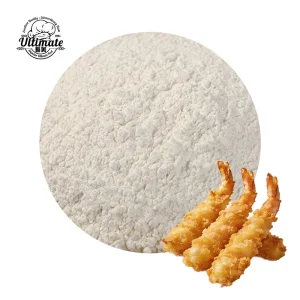
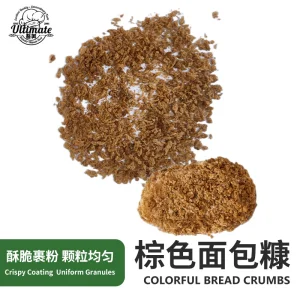
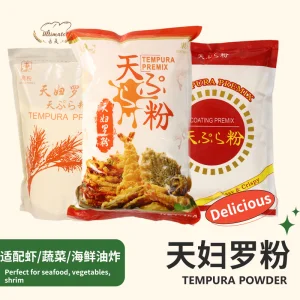
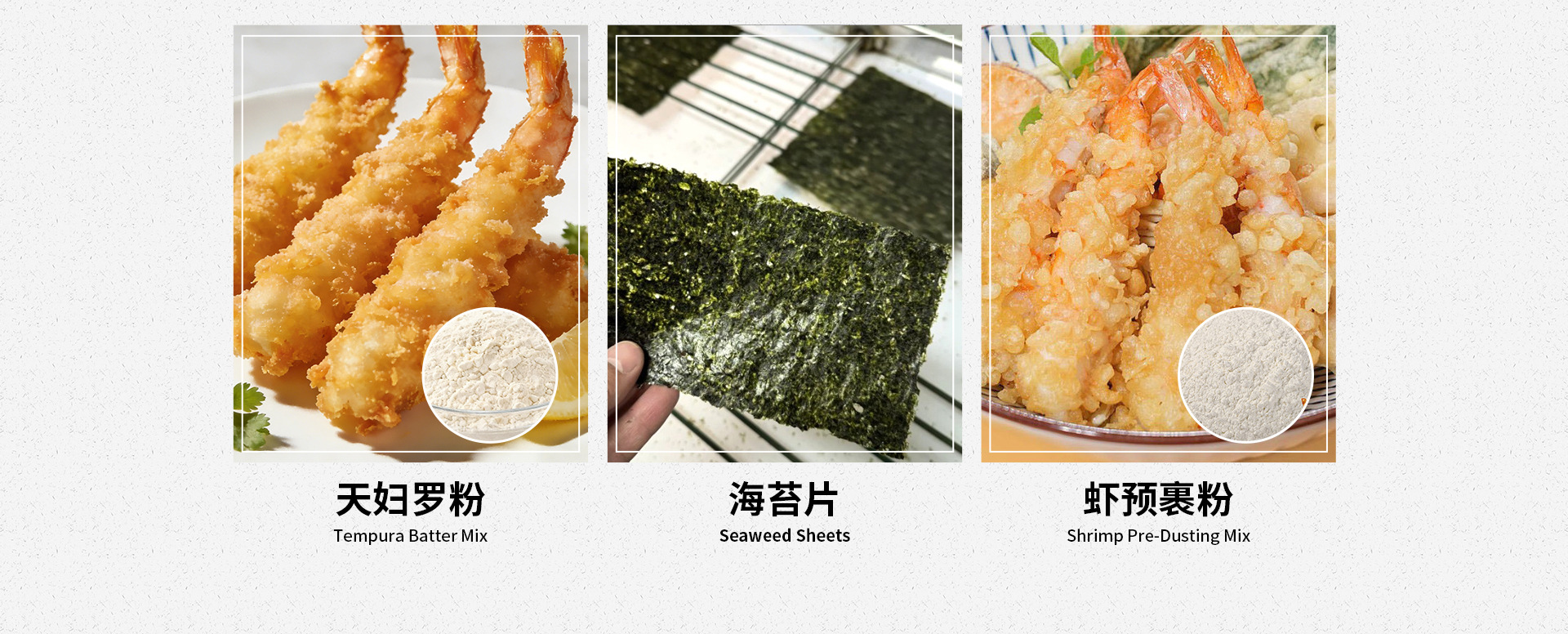
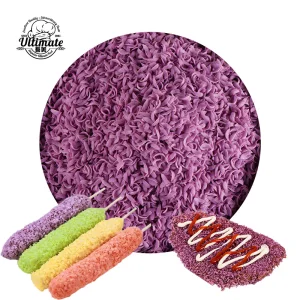
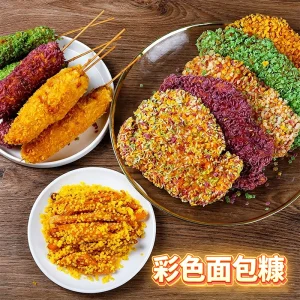
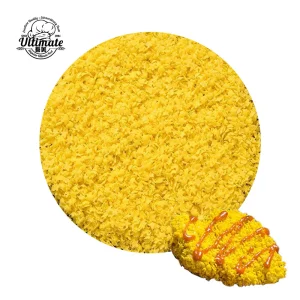
For example, in high-speed breading and frying applications (such as those using Wumei's premium pre-coating and crispy frying powders), low-DE glucose syrups or maltodextrins act as film-formers. They regulate the moisture loss rate during deep frying, resulting in a crispy outer shell while maintaining tender, juicy meat inside. This synergy demonstrates the importance of matching the chemical profile of the sweetener with the physical properties of the coating powders.
China's food ingredient processing sector has transitioned from a low-cost bulk supplier to a technological leader in enzymatic engineering and automated crystallization. This transition allows domestic manufacturers to offer customized syrup blends that match the specific requirements of international food companies.
Our processing centers are strategically located near major agricultural hubs, ensuring a direct and stable supply of high-grade raw starch. By integrating starch extraction and downstream syrup refining at a single site, we reduce energy costs, eliminate transportation risks, and guarantee raw material traceability.
We utilize specialized, heat-stable enzymes to control the hydrolysis process. Whether you require high-maltose syrups for crystallization resistance or high-fructose syrups for balanced sweetness, our advanced control systems ensure consistent carbohydrate profiles across every batch.
Our production facilities utilize modern wastewater treatment and closed-loop heat recovery systems. This focus on sustainability ensures compliance with environmental regulations while maintaining competitive, long-term pricing for our global partners.
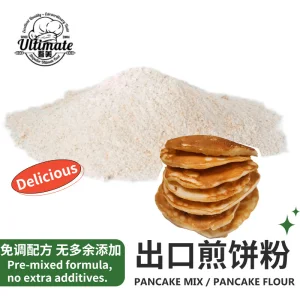
Sweeteners are key ingredients in many food production processes. In commercial baking and frying operations, corn syrup solids and dextrose are frequently blended with starches and flours. These blends ensure even browning through the Maillard reaction, improve coating adhesion, and prevent breading separation during blast freezing.
Additionally, liquid glucose is crucial in industrial confectionery and dairy lines. For instance, in automated ice cream production (supported by our commercial ice cream machines), liquid sweeteners regulate the freezing point and prevent ice crystallization, resulting in a smooth, creamy texture throughout the product's shelf life.
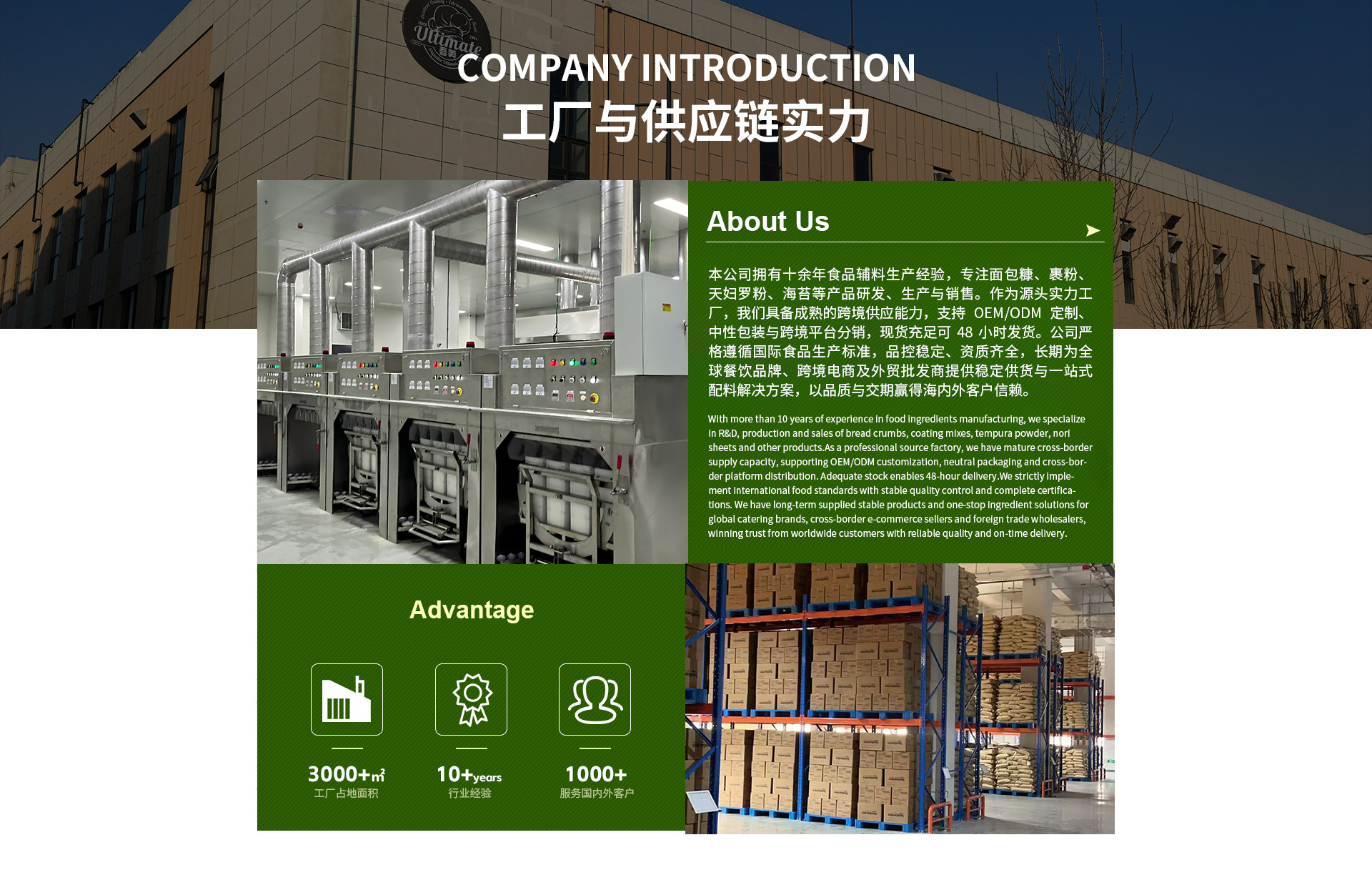
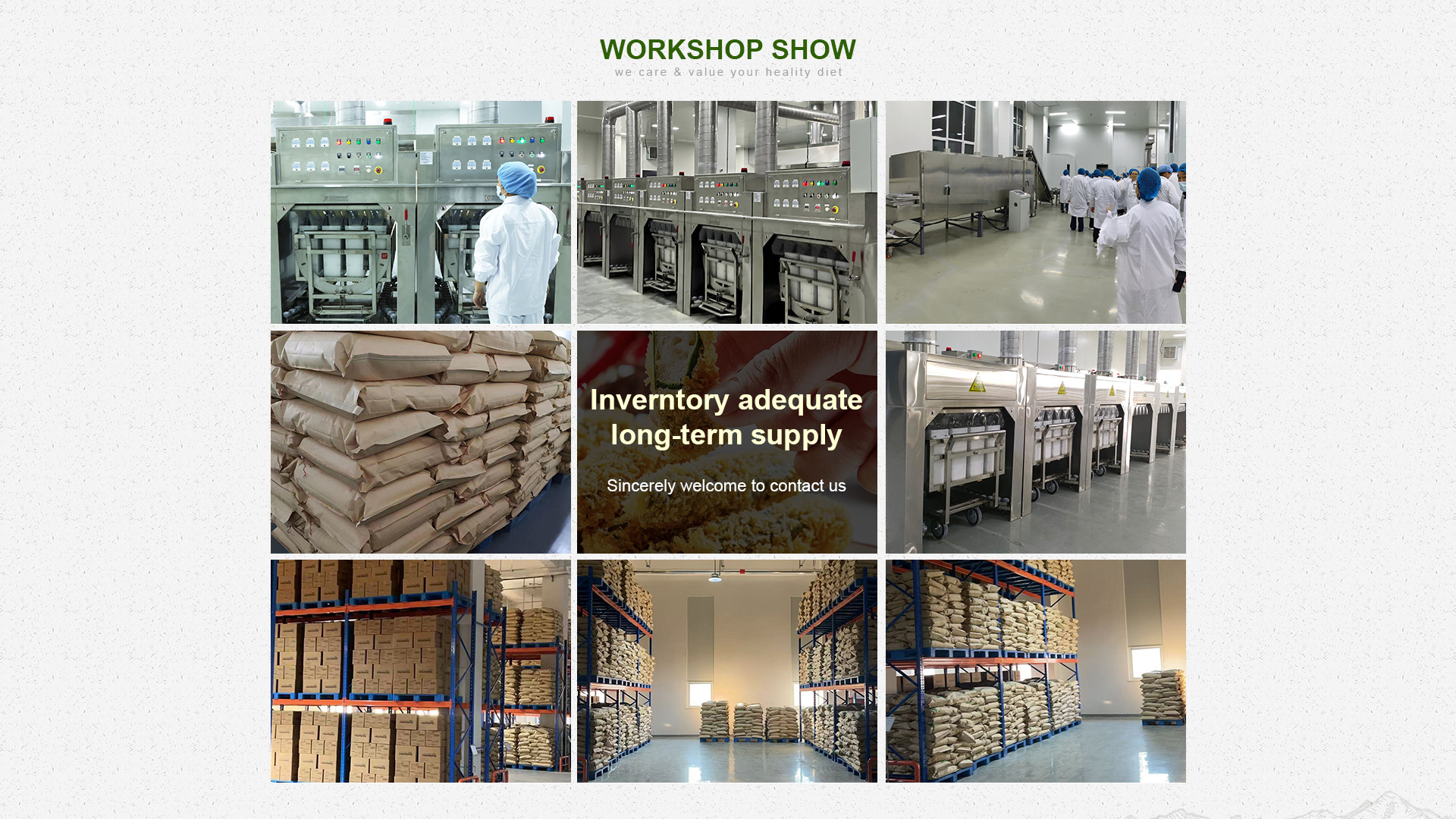
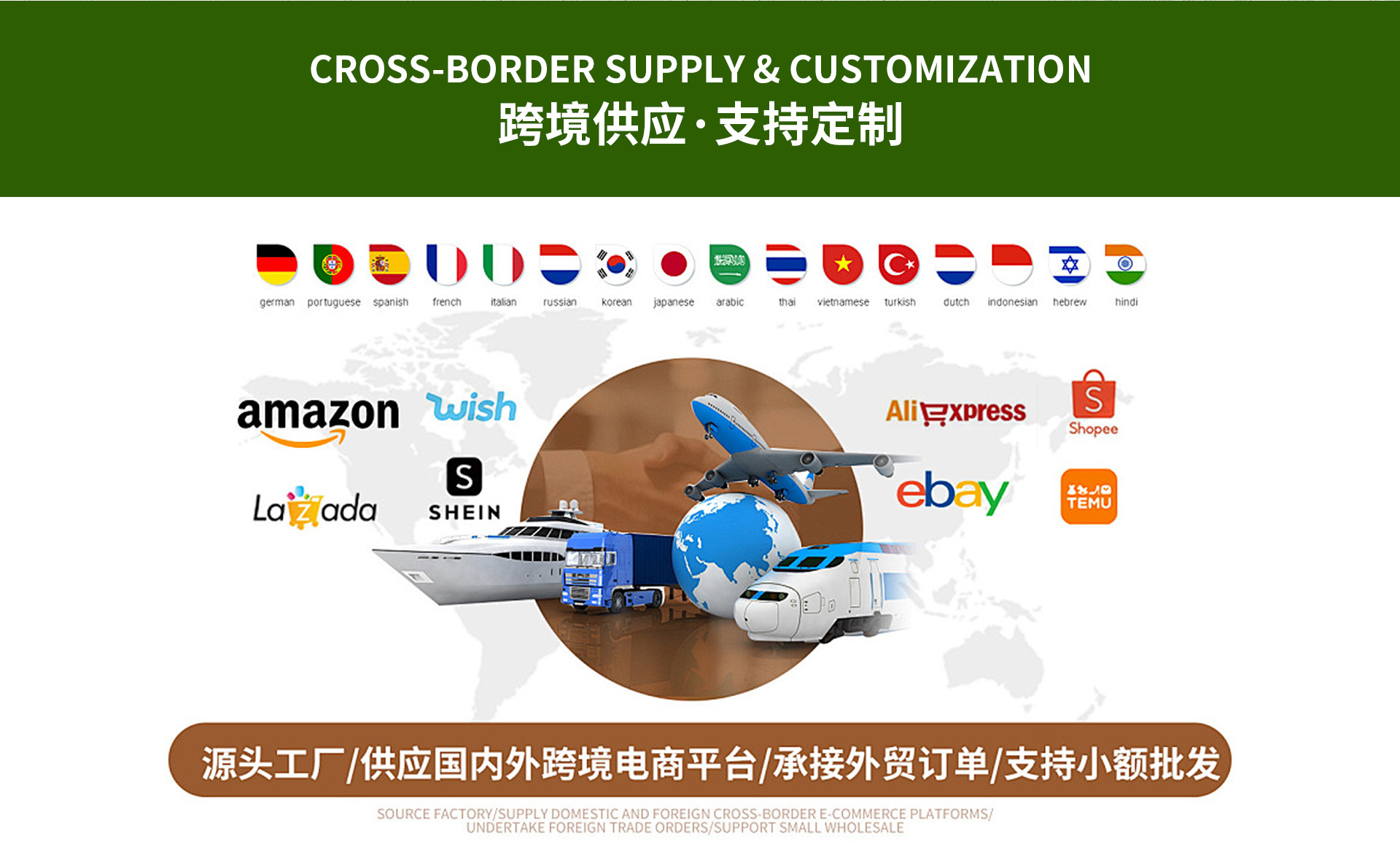
Beijing Haining Times Technology Co., Ltd. is an established manufacturer specializing in commercial food processing machinery and consumer electronics, possessing independent manufacturing qualifications and robust export capabilities. Our facilities maintain large inventories of core products, including automatic noodle machines and commercial ice cream makers, ensuring rapid turnaround and reliable delivery schedules. We provide flexible OEM/ODM customization services to meet the specific technical requirements of global B2B clients, cross-border buyers, and commercial enterprises. Backed by an optimized supply chain and strict quality control standards, we are a trusted manufacturing partner for businesses worldwide.
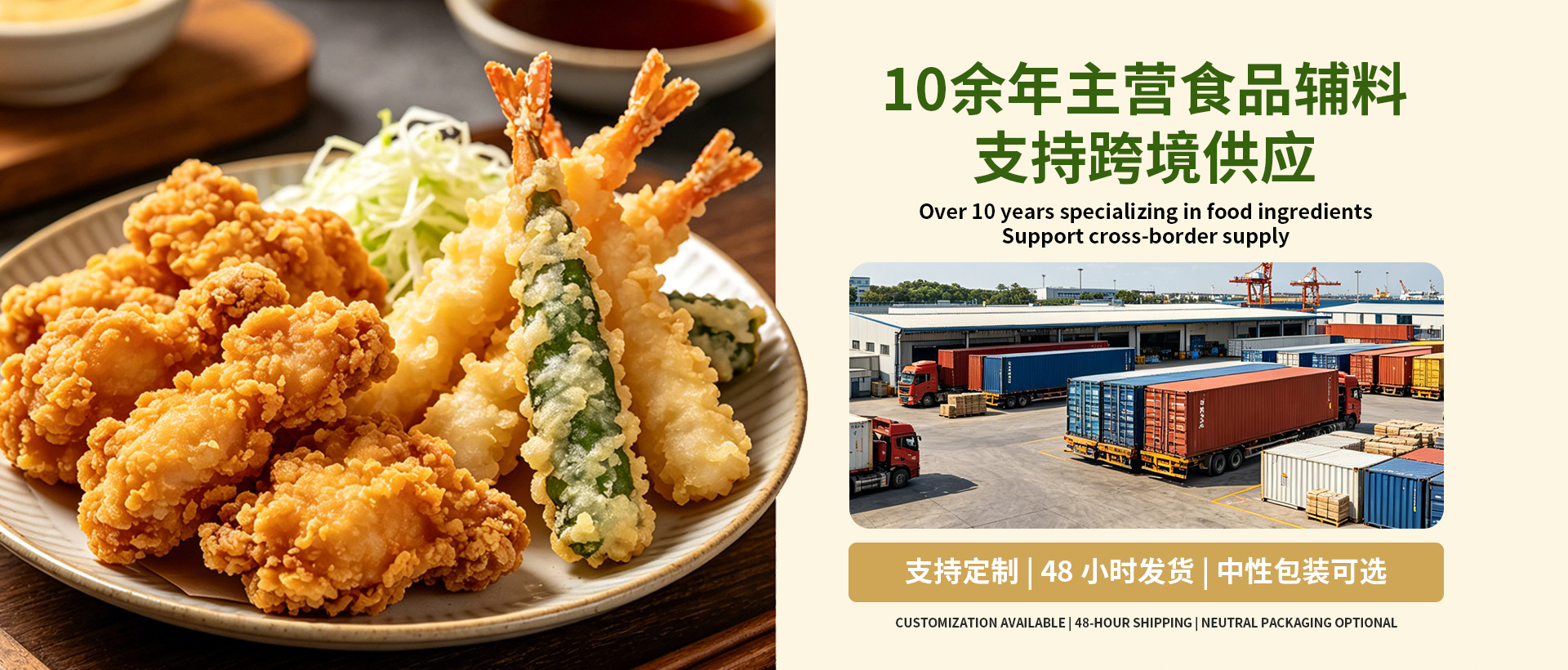

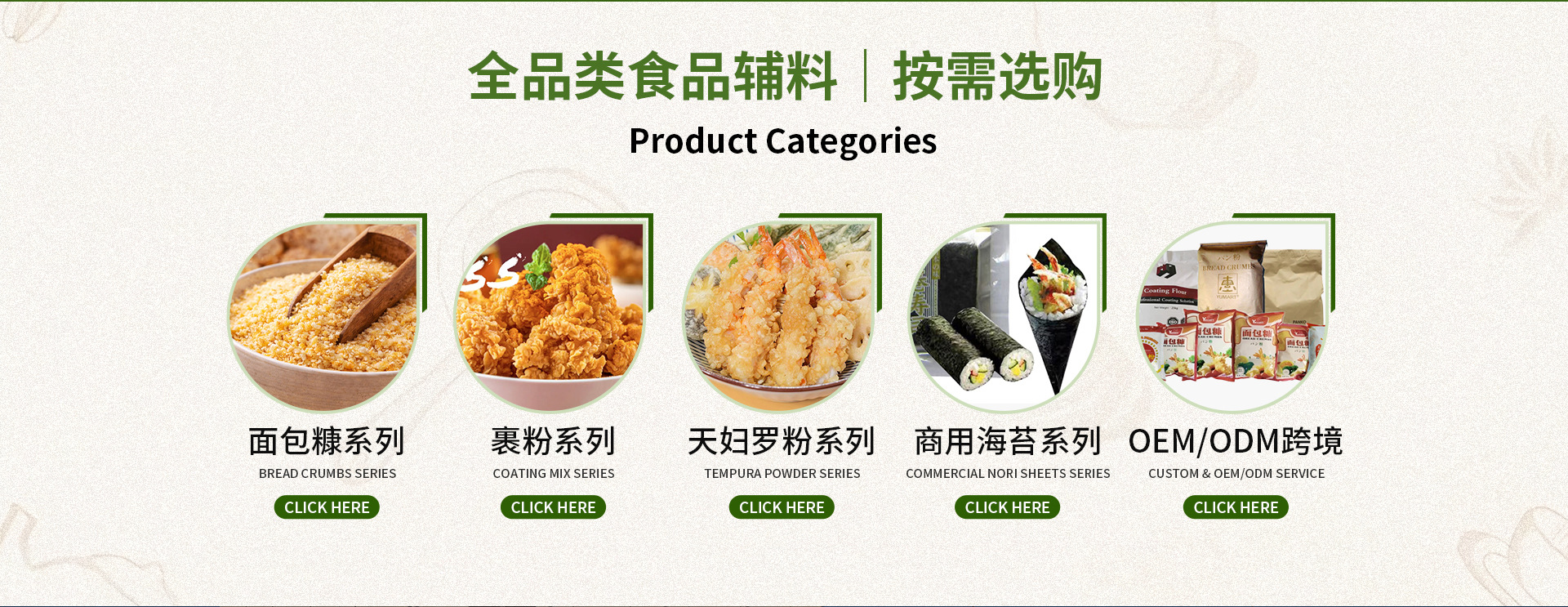
Exporting sweeteners requires strict adherence to regional food safety standards, labeling laws, and dietary certifications. Our regulatory teams work closely with global buyers to ensure all shipments meet the necessary standards for import and clearance.
Our refined syrup products and sugar alcohols (such as Erythritol and Allulose) comply with US FDA regulations. They hold GRAS (Generally Recognized as Safe) status and match the specifications outlined in the Food Chemicals Codex (FCC).
To serve the European market, we offer non-GMO Project Verified options and clean-label sweeteners that comply with EFSA guidelines. Our products help brands minimize chemical additives on their ingredient statements.
We maintain full certification from recognized global bodies (including MUI Halal and Orthodox Union Kosher) to ensure our sweetening agents are suitable for diverse consumer markets worldwide.
The global food industry is shifting toward sugar reduction and clean-label alternatives. B2B buyers are increasingly sourcing rare sugars like D-Allulose, sugar alcohols like Erythritol, and natural high-potency sweeteners like Stevia and Monk Fruit extract. These sweetening agents help brands formulate reduced-calorie products without compromising texture or mouthfeel.
Additionally, modern logistics require highly stable liquid sweetening systems. In bulk shipping, maintaining a precise temperature range is critical to prevent crystallization or color changes (Maillard reaction) during transit. Our technical teams help clients select the appropriate syrup formulations and shipping configurations to ensure consistent product quality upon arrival.
Answers to common questions regarding technical specifications, minimum order quantities, shipping conditions, and custom formulations.
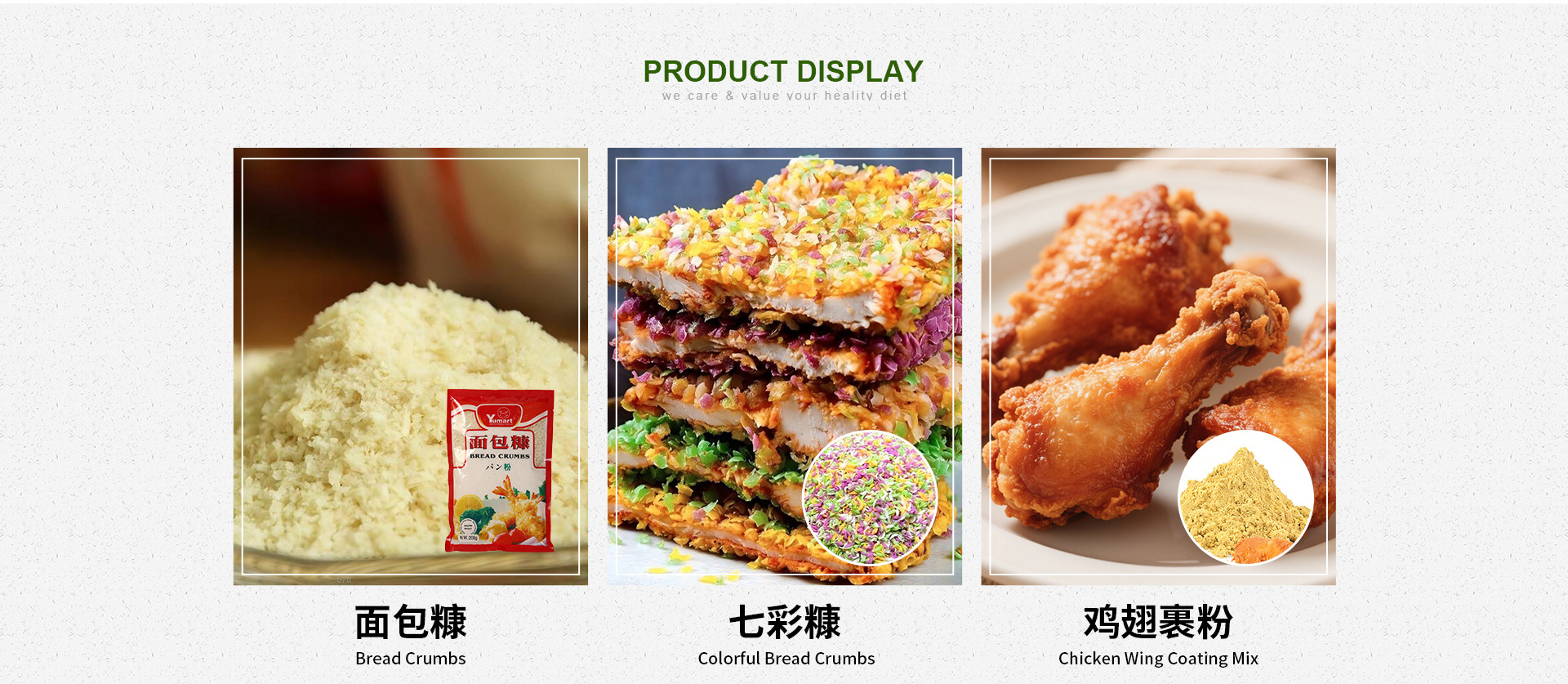
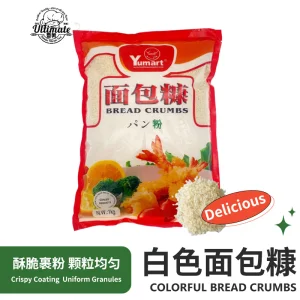
Bespoke dry mixes, panko breading elements, and binding systems designed for high-efficiency commercial food service operations.
 Baking Supplies