Engineered for commercial-scale processing plants, food service distributors, and industrial frying operations requiring high thermal stability and crisp retention.
In the global food manufacturing sector, candy coatings, dusting powders, batters, and breading products constitute a crucial technical interface that determines both sensory appeal and shelf-life stability. Originally separated into sweet confectionery glazes and savory breading systems, the modern food science landscape is seeing a major convergence. Advanced food-tech enterprises utilize sophisticated starches, lipid barriers, and protein-based coatings to ensure texture preservation, moisture barrier maintenance, and aesthetic customization.
Industrial food coatings must withstand rigorous thermal processes—ranging from rapid flash-freezing to high-temperature deep frying. B2B buyers look for products that prevent moisture migration from the substrate (such as poultry, fish, or confectionery filling) to the outer layer, maintaining crispness even under commercial warming lamps. Furthermore, clean-label initiatives and the demand for natural colors (derived from real fruit and vegetables) have reshaped raw material sourcing globally.
From a global commercial standpoint, the demand for high-adhesion batters and crisp breading systems is driven heavily by the rapid expansion of QSR (Quick Service Restaurant) chains, convenience food exporters, and retail food processing lines. The optimization of the glass transition temperature (Tg) of starch components is crucial for preventing crispiness degradation over extended holding times.
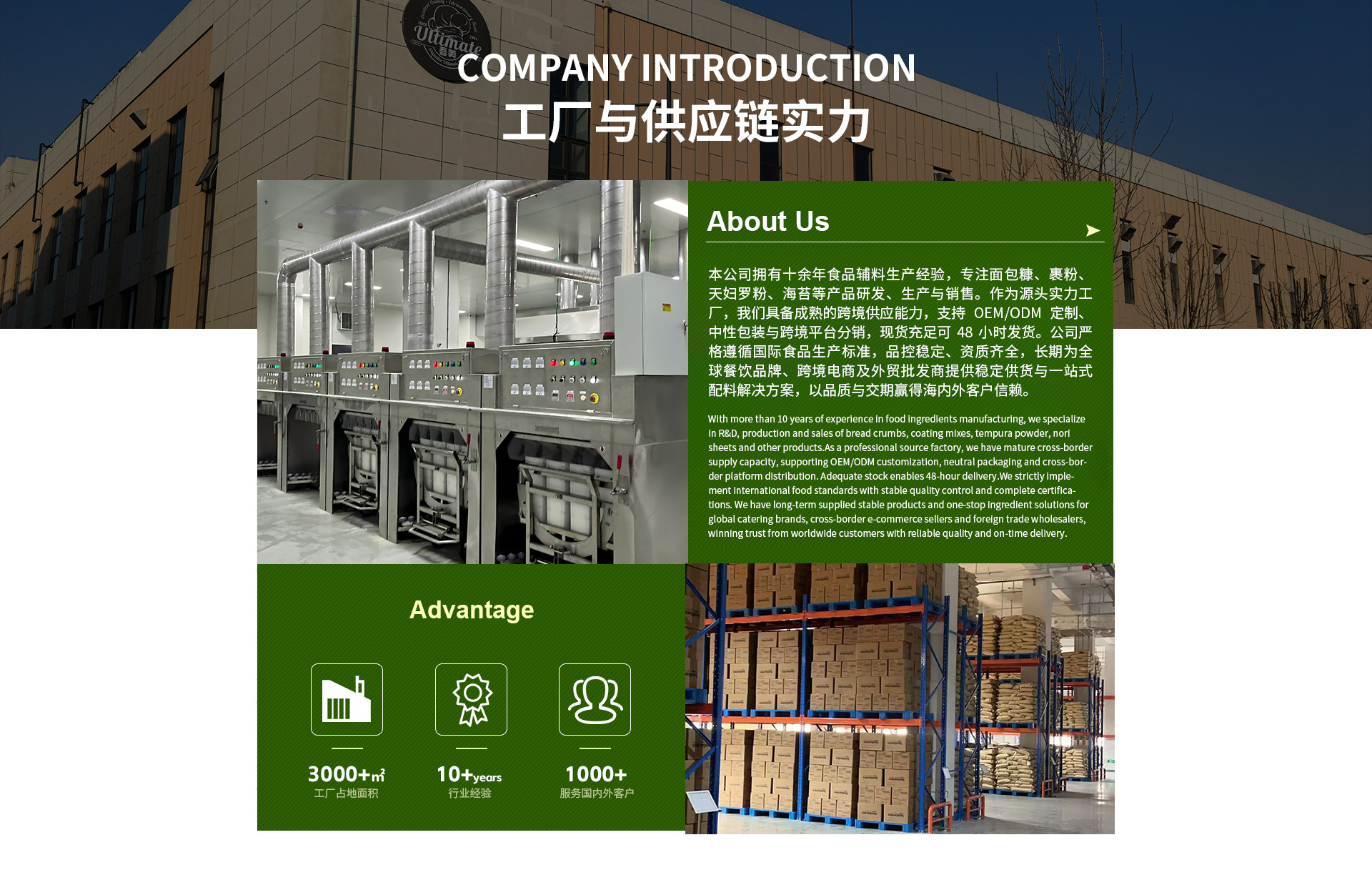
China’s food processing industry is powered by deep industrial integration, raw material security, and automation. By leveraging advanced wet-mixing, starch modification, and precision extrusion systems, Chinese factories produce premium-grade food coatings that meet strict global food standards.
China’s access to staple starch sources (such as wheat, tapioca, and maize) allows manufacturers to maintain pricing stability during global grain market volatility. Highly refined flours and starches are combined with natural vegetable powders to create colored breadcrumbs and dynamic coating mixes without relying on artificial coloring agents, meeting strict EU regulations.
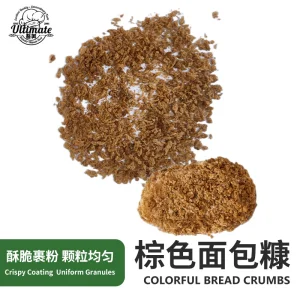
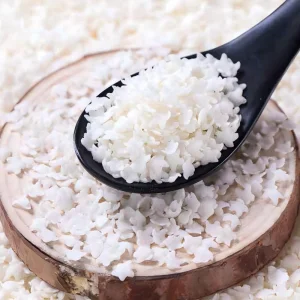
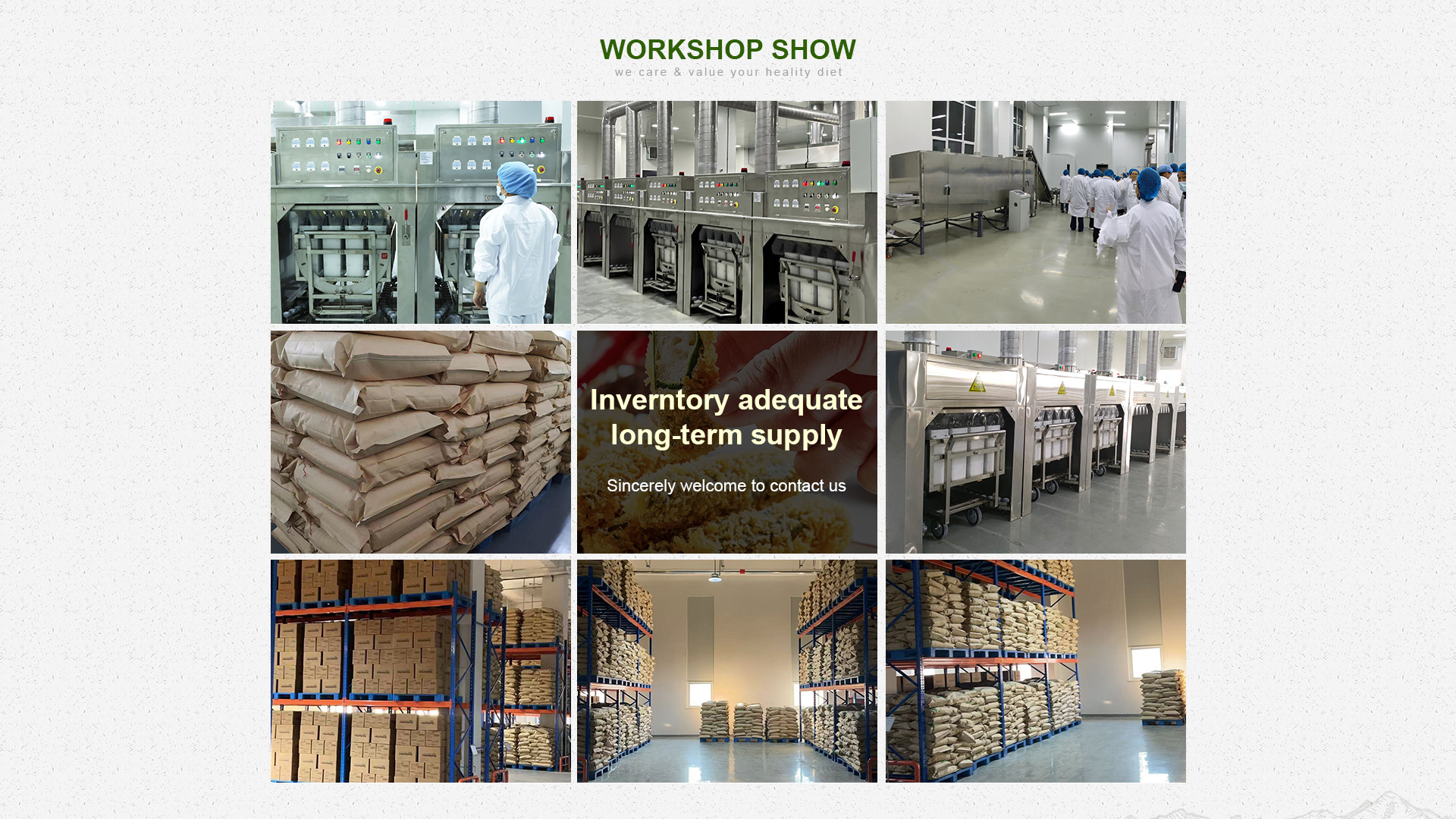
Modern food factories in China utilize high-capacity baking, drying, and crushing systems. The precise control over crumb morphology (e.g., crescent vs. star-shaped structures) translates directly to predictable coating weights and frying yields for food processing businesses. This ensures that B2B clients receive consistent product batches, reducing oil absorption during commercial frying by up to 20%.
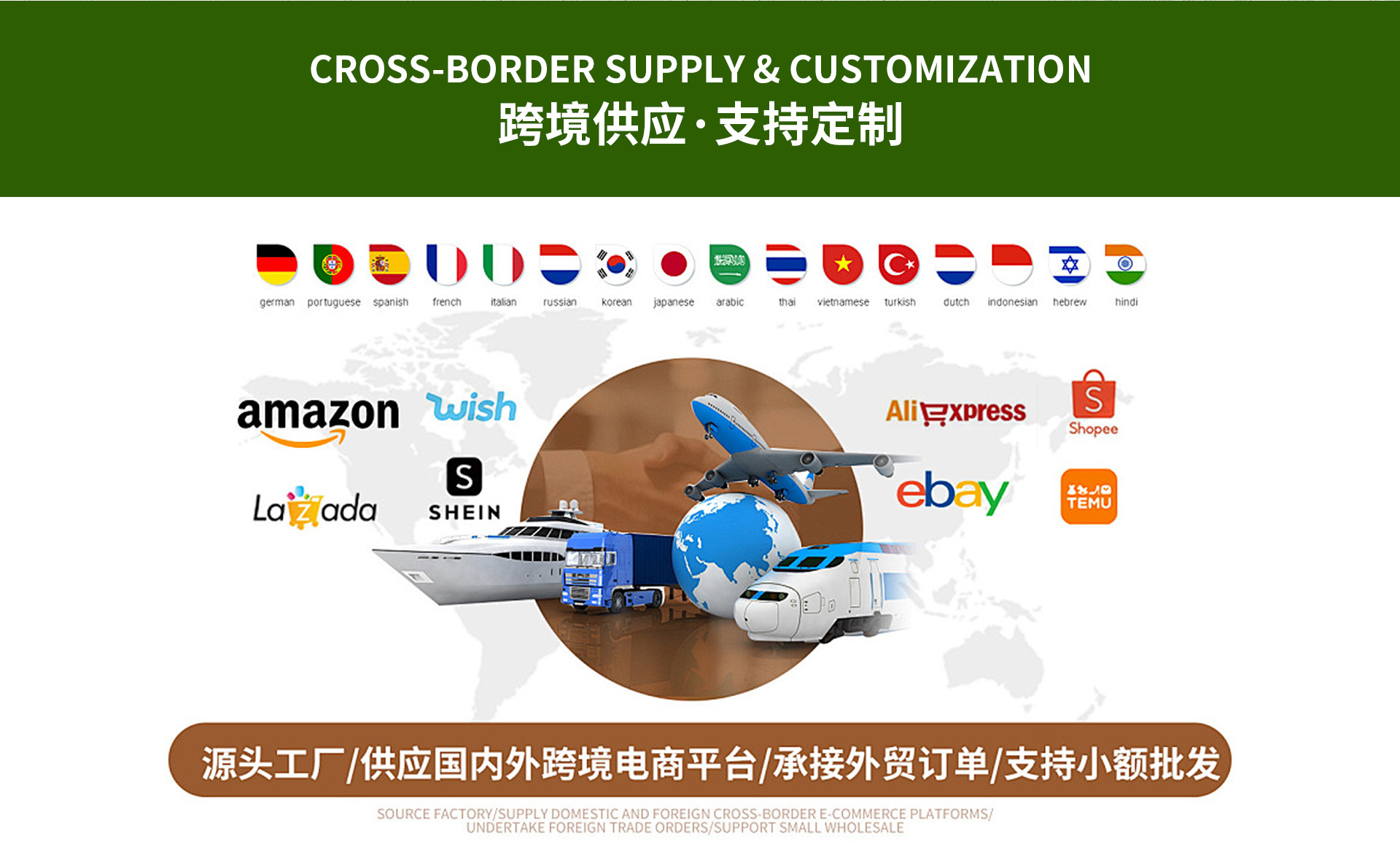
With major industrial hubs near Qingdao, Shanghai, and Tianjin, bulk cargo, 10kg commercial bags, and 25kg woven sacks are loaded directly into moisture-regulated ocean containers. Complete customs handling, phytosanitary certifications, and batch-traceability documentation are standard.
To assist global purchasing directors and food technologists in selecting the correct formulation, our industrial engineering team has compiled the following application profiles:
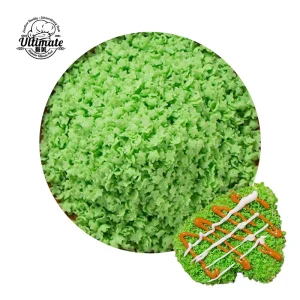
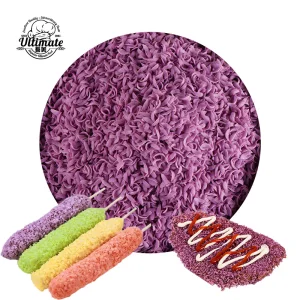
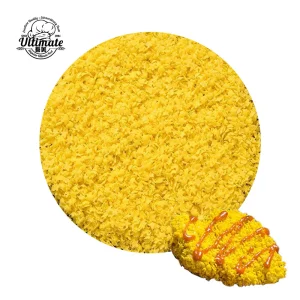
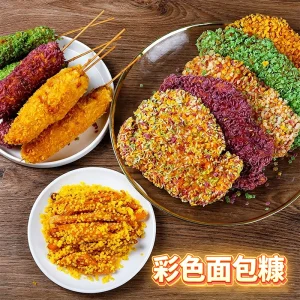
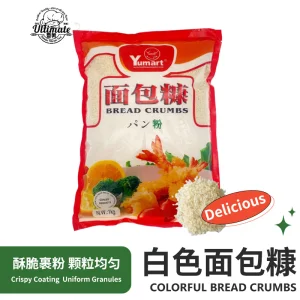
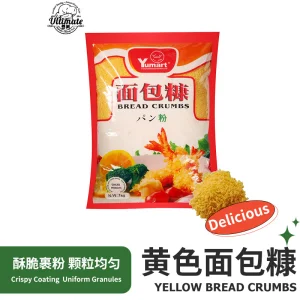
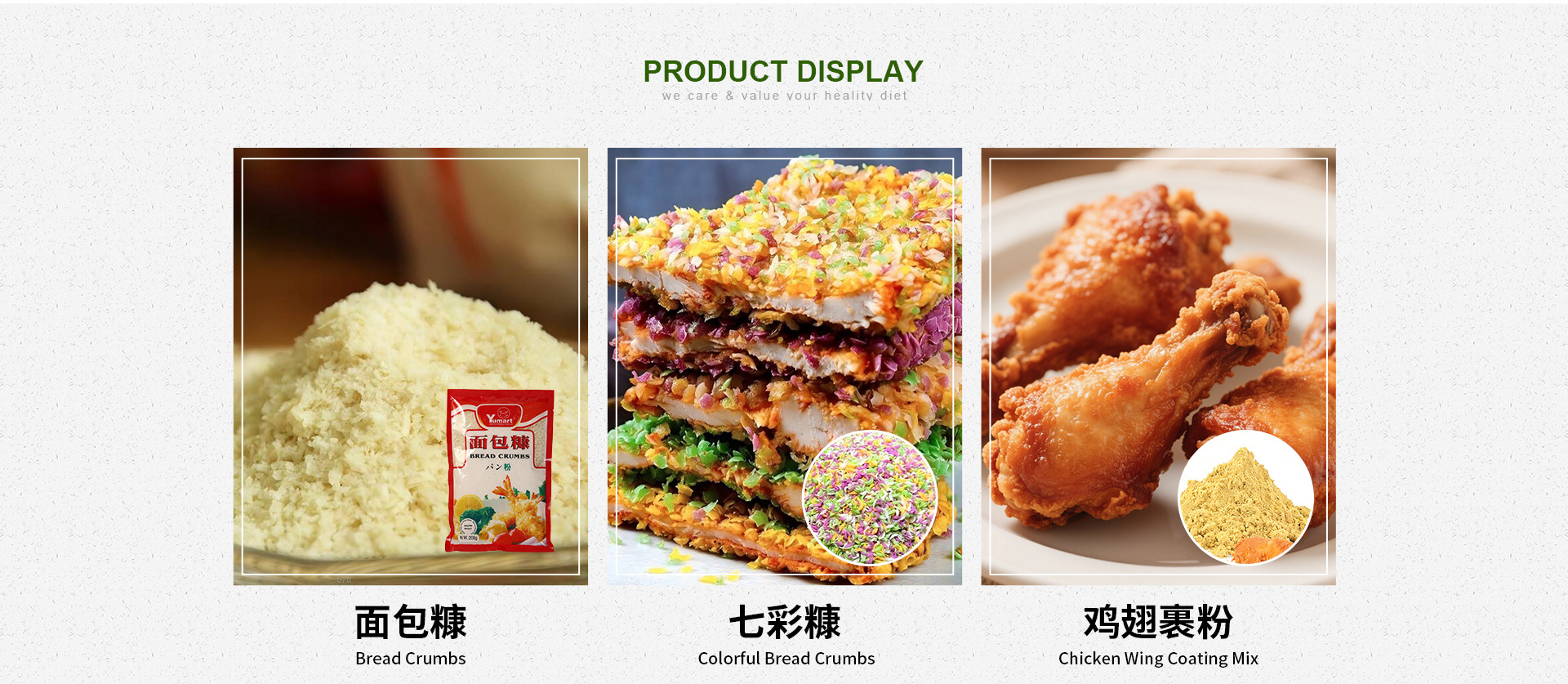
Unlike standard western breadcrumbs, Japanese-style Panko breadcrumbs are produced using electrode baking, creating an airy, porous sliver shape. During cooking, this structure expels moisture and repels fat absorption, resulting in a crispy coating that stays crunchy. Colors like yellow (beta-carotene), purple (sweet potato), and green (spinach) are used for premium lines, such as boneless chicken breast strips and vegetable cakes.
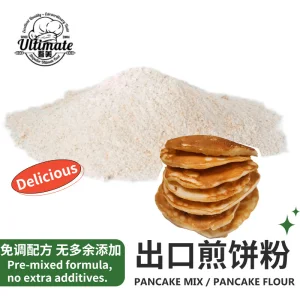
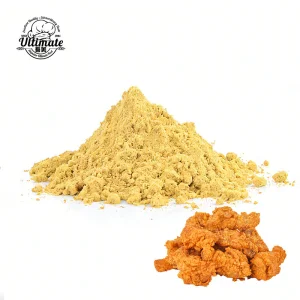
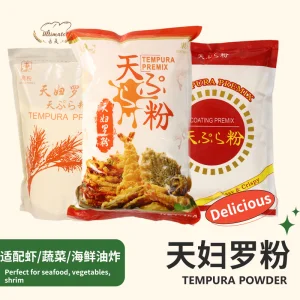
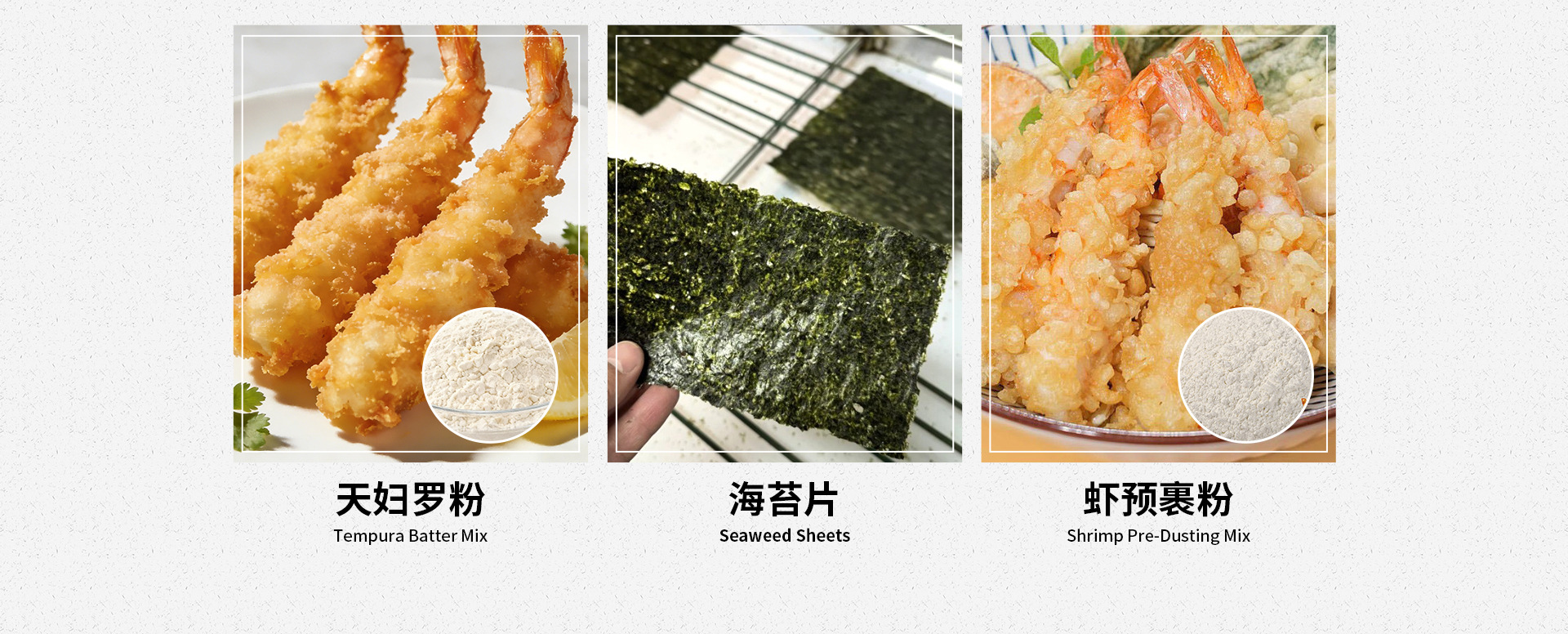
Industrial tempura batters require precise chemical leavening agents (such as sodium acid pyrophosphate) and customized flour formulations. This balance yields a light, airy, and bubbly texture when fried. It is ideal for high-throughput seafood processing lines (such as pre-dusted shrimp and calamari) where adhesion and rapid heat transfer are critical.
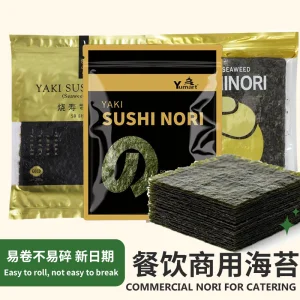
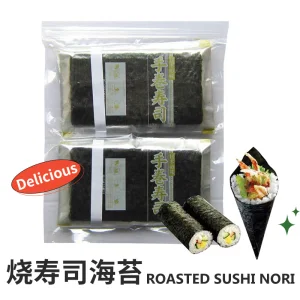
Nori sheets serve as a specialized wrapper for modern food applications like ready-to-eat sushi, rice balls, and high-nutrition snacks. Our double-toasted seaweed sheets offer the ideal moisture profile (<5%), ensuring high tensile strength and easy mechanical wrapping.
Industrial success in food coating formulation relies on the technology of the machinery that prepares, extrudes, and cooks the products. Beijing Haining Times Technology Co., Ltd. (北京海宁时代科技有限公司) is a source manufacturer specializing in consumer food processing machinery, holding independent production qualifications and mature foreign trade export capabilities.
By combining dry ingredient manufacturing with high-capacity equipment export (such as noodle machines, commercial ice cream machines, and automated prep devices), we offer food companies a complete manufacturing ecosystem. Whether configuring an automated batter mixing station or sourcing bulk ingredient supplies, our team ensures machinery and materials work together seamlessly.

To remain competitive in international food retail, procurement teams must monitor evolving product safety standards and consumer shifts. The global market is prioritizing the following developments:
Traditional binders often rely on egg albumen or dairy proteins. Today's global buyers favor allergen-free, plant-based binders (derived from pulse proteins, starches, and gums). Our factories offer color solutions sourced from turmeric, purple sweet potatoes, and beetroot to meet clean-label requirements.
Increasing oil prices and calorie-conscious consumer trends have driven demand for low-fat-absorption coatings. By adjusting starch cross-linking and combining methylcellulose additives, our latest coating lines form a protective thermal barrier, sealing in the moisture of the protein while limiting oil uptake.
For long-distance marine transport, standard retail packaging is insufficient. We package our commercial ingredients in heavy-duty 10kg bags, multi-wall paper sacks, and 25kg heat-sealed woven bags with inner poly linings to protect against humidity.
Find answers to common technical, logistics, and quality assurance questions below.
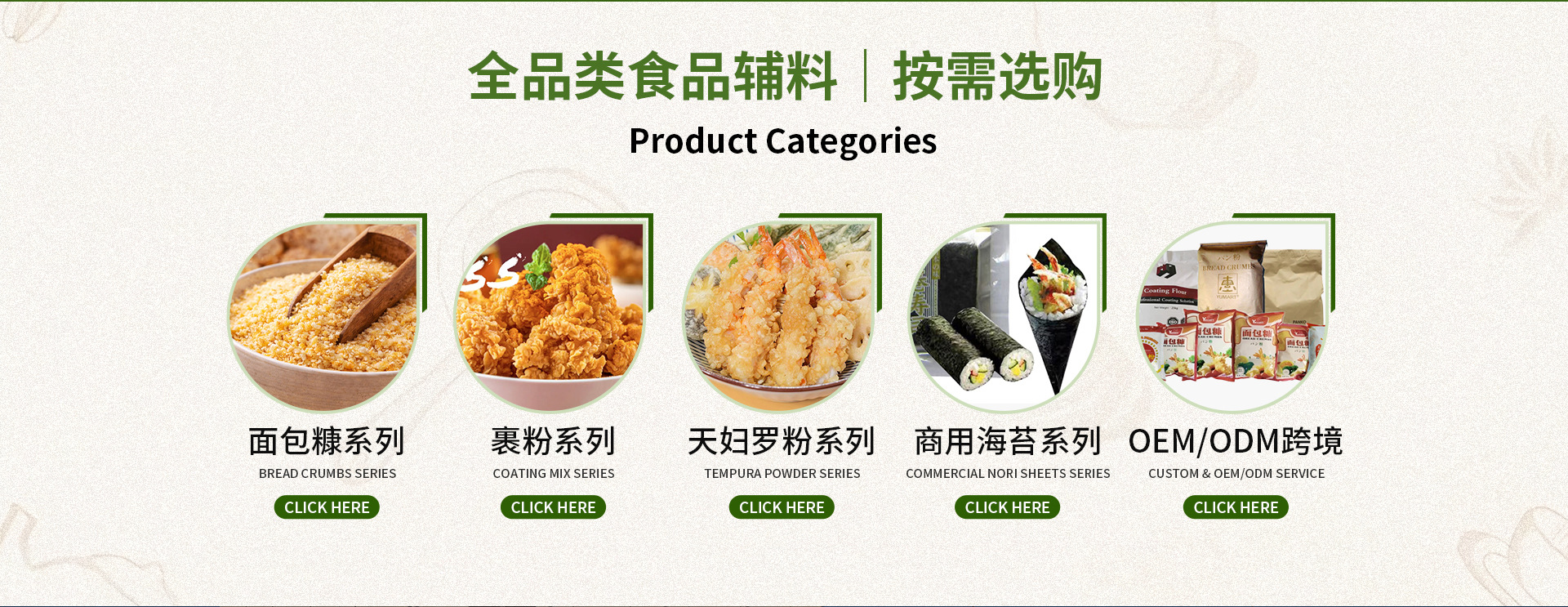
Additional selections from our production lines, including crescent breadcrumbs, specialty frying powders, and premium roasted seaweed.
 Baking Supplies