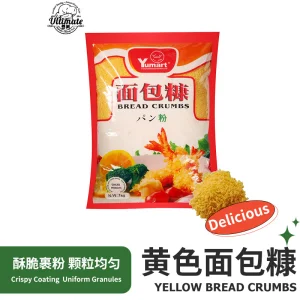
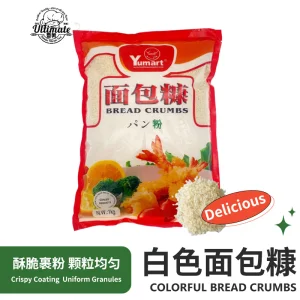
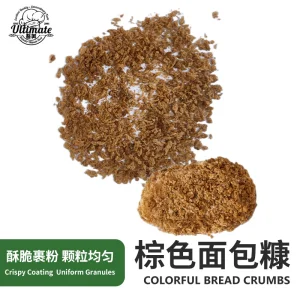
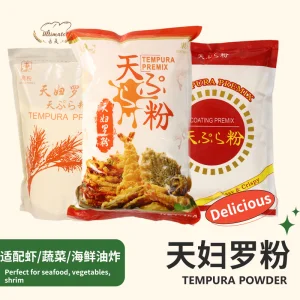
High-quality ingredients engineered for global distribution, culinary applications, and frying efficacy.
Engineered to secure, optimize, and streamline global lipid supply chains.
Utilizing high-yield, low-temperature cold pressing and advanced solvent recovery systems to deliver maximum oil purity and nutritional retention.
Comprehensive GC-MS analysis verifying fatty acid profiles, ensuring minimum trans-fat, zero contamination, and compliance with EU/FDA regulations.
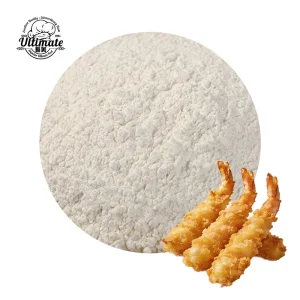
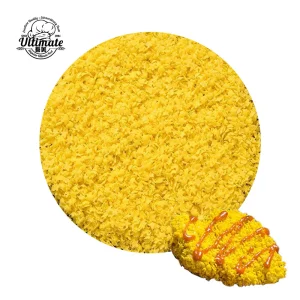
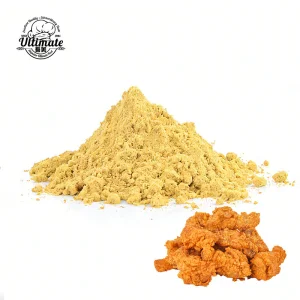
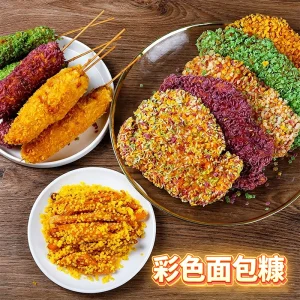
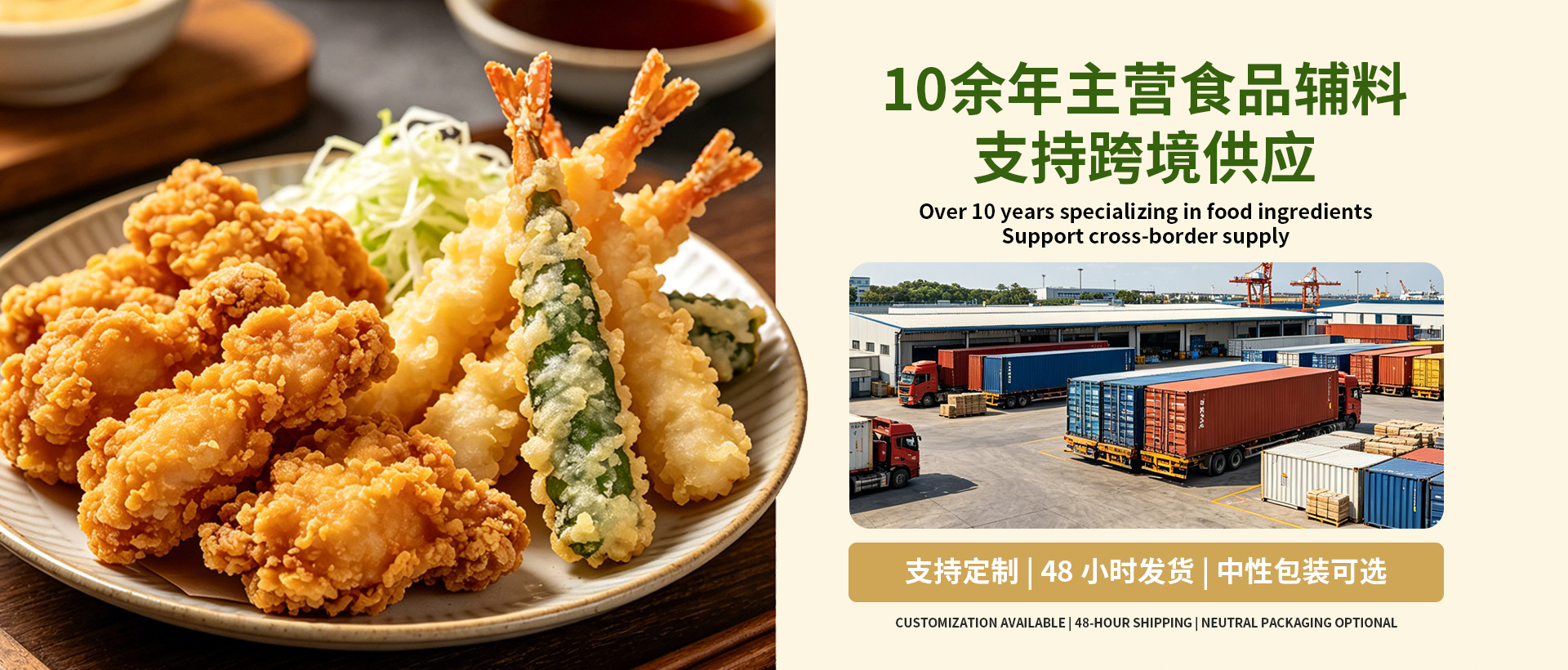
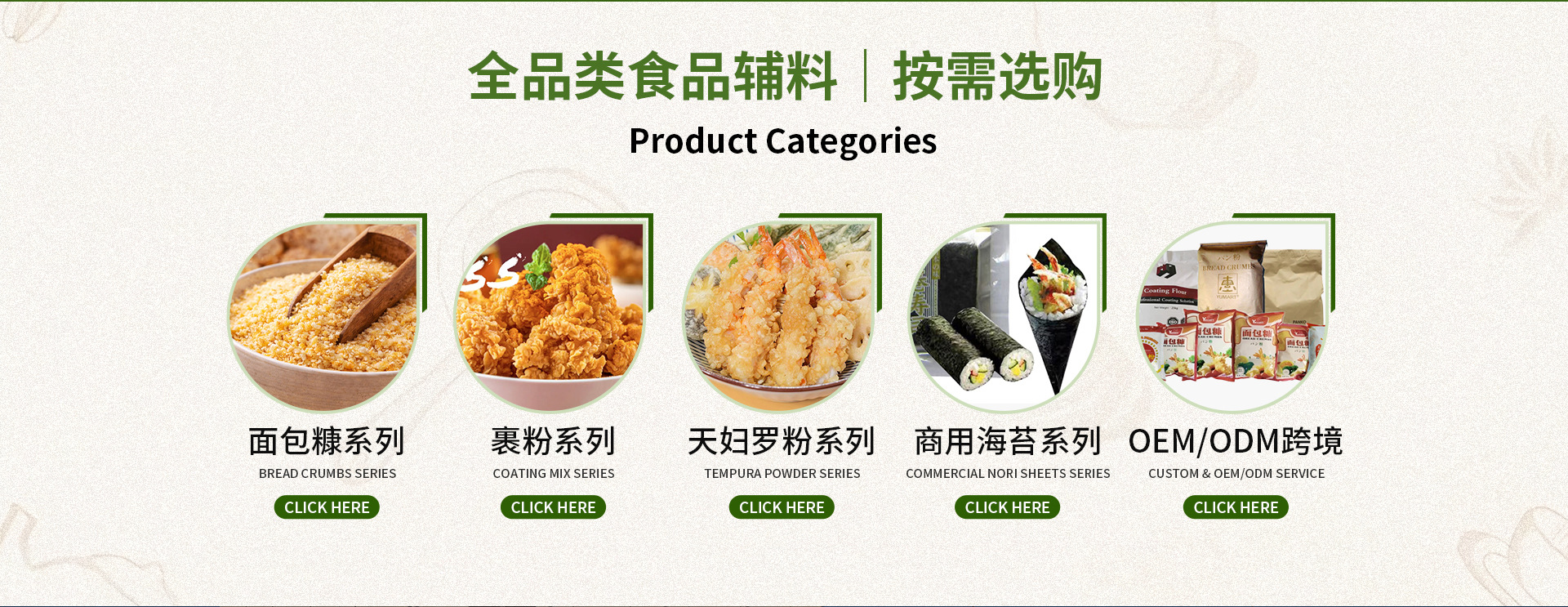
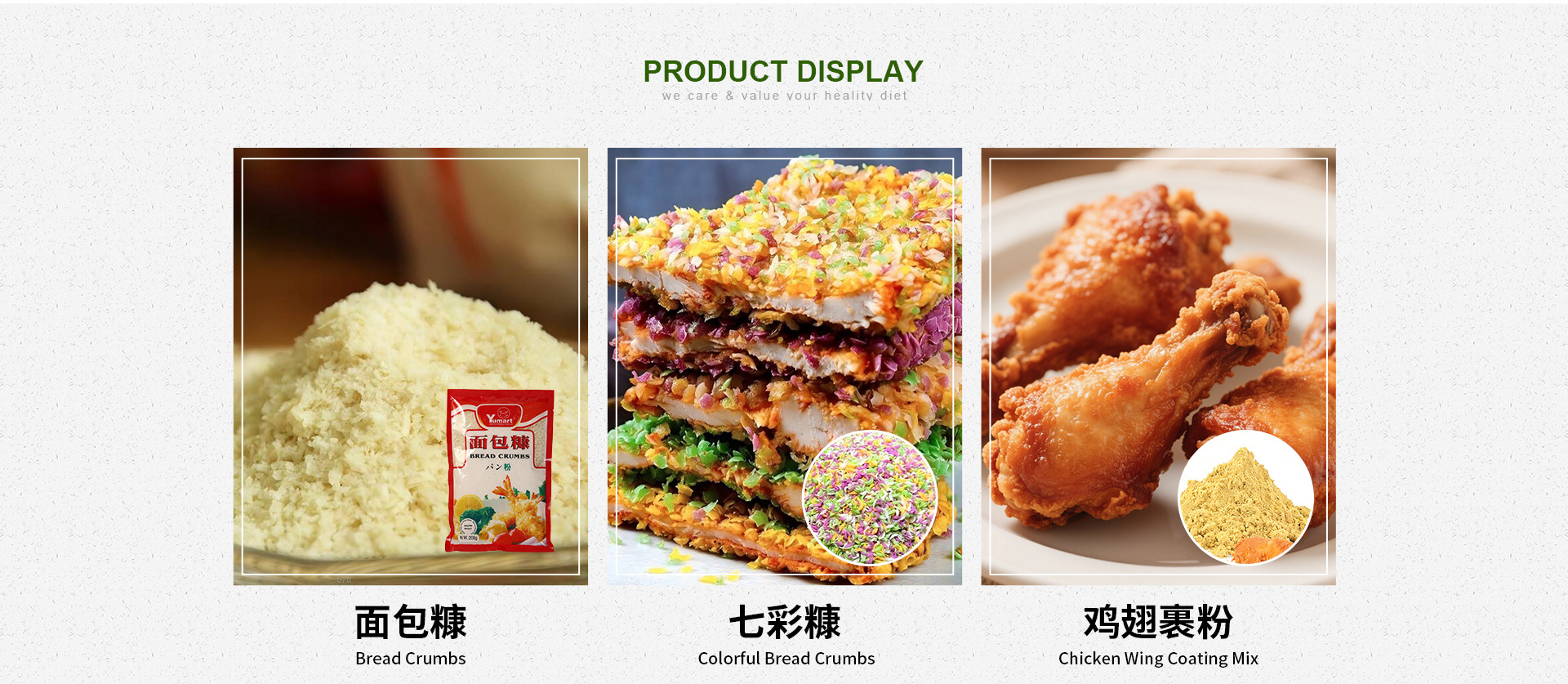
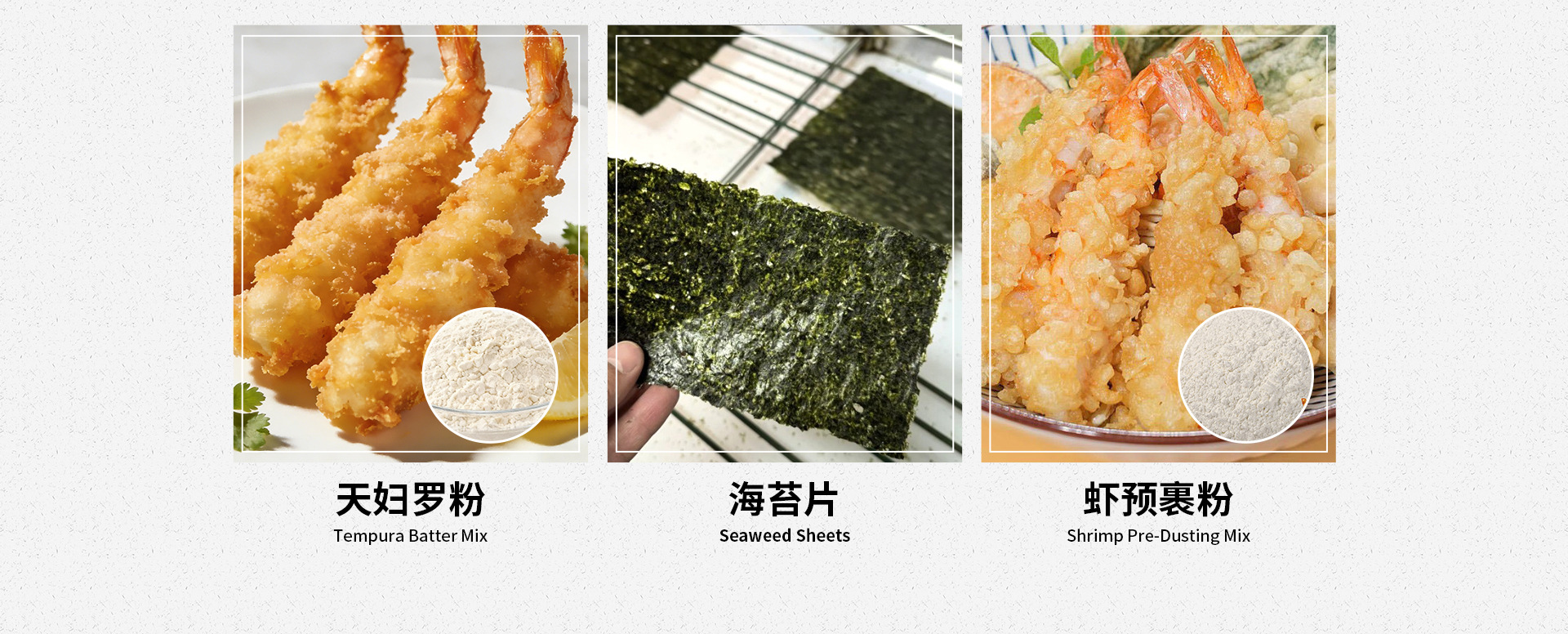
Synergizing food-grade oils with processing ingredients (such as premium breadcrumbs and tempura powders) to guarantee uniform food frying quality.
The global industrial food processing, cosmetics, and pharmaceutical sectors are experiencing a structural shift toward high-purity, sustainably sourced plant-derived lipids. Plant oils serve not only as functional cooking media but also as key structural ingredients, carrier oils, and essential fatty acid vectors. As clean-label demands rise and regulatory bodies globally tighten restrictions on trans-fats and synthetic preservatives, the procurement of premium plant oils has transitioned from a basic commodity purchase to a strategic technological partnership.
The transition from conventional chemical extraction to physical refining and advanced cold-pressing has redefined the standard for plant oils. In industrial frying applications—where products like Panko breadcrumbs, tempura batters, and snack foods require long-term thermal stability—the chemical composition of the oil determines both final product quality and shelf-life. High-oleic acid profiles in soybean, sunflower, and peanut oils are increasingly demanded due to their high smoke points and resistance to polymerization.
Technological trends indicate an increase in the implementation of enzymatic interesterification. This process replaces chemical hydrogenation to create trans-fat-free structuring fats, satisfying the strict criteria established by the European Food Safety Authority (EFSA) and the US Food and Drug Administration (FDA). In parallel, green extraction systems using supercritical carbon dioxide are gaining traction in high-value cosmetic and nutraceutical oil segments, preserving thermolabile bioactive components like tocopherols, phytosterols, and polyphenols.
Sourcing plant oils on a global scale requires managing fluctuating agricultural yields, complex international shipping regulations, and stringent chemical safety parameters. Enterprise buyers prioritize three main aspects:
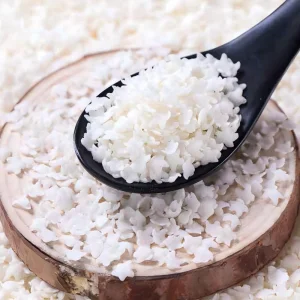
In modern industrial food manufacturing, the interaction between raw ingredients and processing hardware dictates production efficiency. Optimal frying results, for instance, cannot be achieved solely by choosing the right breading or the right oil. It requires a holistic understanding of how starch-based coatings (such as Tempura powder or specialized star-shaped breadcrumbs) interact with the surrounding lipid media at temperatures exceeding 175°C.
Beijing Haining Times Technology Co., Ltd. addresses this industrial challenge by integrating its food ingredient sourcing with mechanical design capabilities. By providing both the processing machinery (such as commercial noodle makers and ice cream equipment) and the critical ingredients (coatings, batters, and high-performance frying oils), we help enterprises establish closed-loop, reliable production lines. This cross-industry synergy minimizes mechanical downtime and reduces food processing failure rates.
Enterprise procurement departments must strictly evaluate the following critical parameters when importing bulk agricultural lipids:
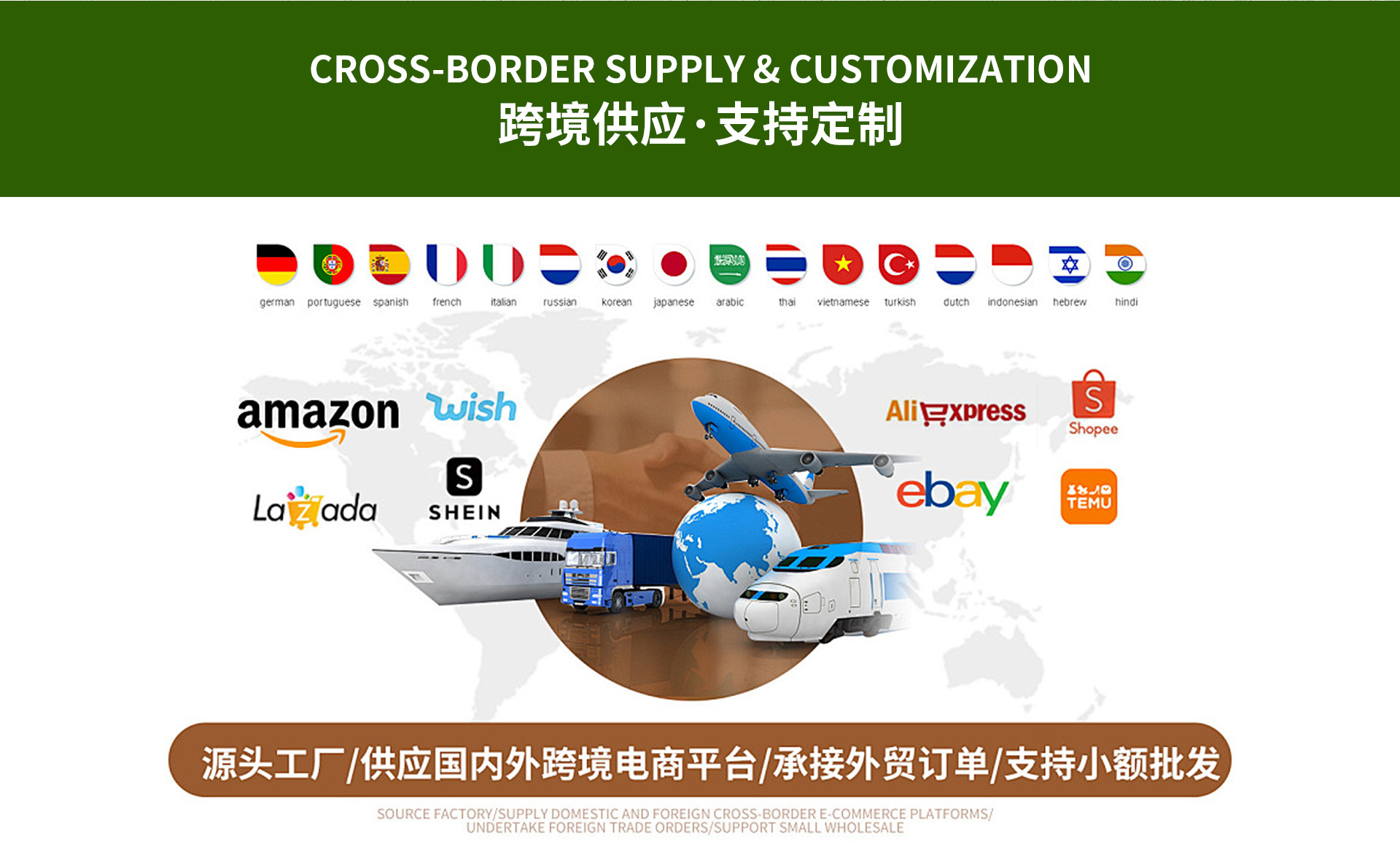
Exporting to highly regulated markets across Europe, North America, and the Asia-Pacific region demands comprehensive compliance documentation. Our supply chain utilizes advanced testing laboratories to conduct gas chromatography-mass spectrometry (GC-MS) analysis on every batch, certifying precise fatty acid profiles and verifying the absence of pesticide residues, heavy metals, and plasticizers (phthalates).
We supply complete documentation packages to streamline customs processes worldwide, including:
The future of industrial lipid supply chains lies in automation and biotechnology. We are continuously optimizing our sourcing networks to incorporate AI-driven logistics tracking and digital quality monitoring. By deploying IoT sensors in bulk containers, real-time temperature, humidity, and oxygen level data are transmitted directly to our quality control team, allowing us to prevent oxidation incidents during maritime transit.
Furthermore, we are expanding our research into structured lipid formulations, allowing us to produce custom oil blends designed to reduce oil retention in fried breaded foods. This technology allows industrial snack manufacturers to reduce total fat content in finished products, supporting global wellness trends without compromising taste or texture.
Purity & Compliance Rate
Export Countries Serviced
Supply Chain Logistics Tracking
Annual Agricultural Output
Beijing Haining Times Technology Co., Ltd. - Advanced Manufacturing and Export Base
北京海宁时代科技有限公司是专注消费电子领域的源头生产厂家,拥有自主生产资质与成熟外贸出口能力。店铺常年备有面条机、冰淇淋机等主力产品的大批量现货,支持快速响应与稳定交付;同时提供OEM/ODM加工定制服务,满足跨境客户、企业自用及个性化需求。依托扎实的制造实力与高效供应链,我们已服务众多国内外B端客户,品质与履约能力值得信赖。
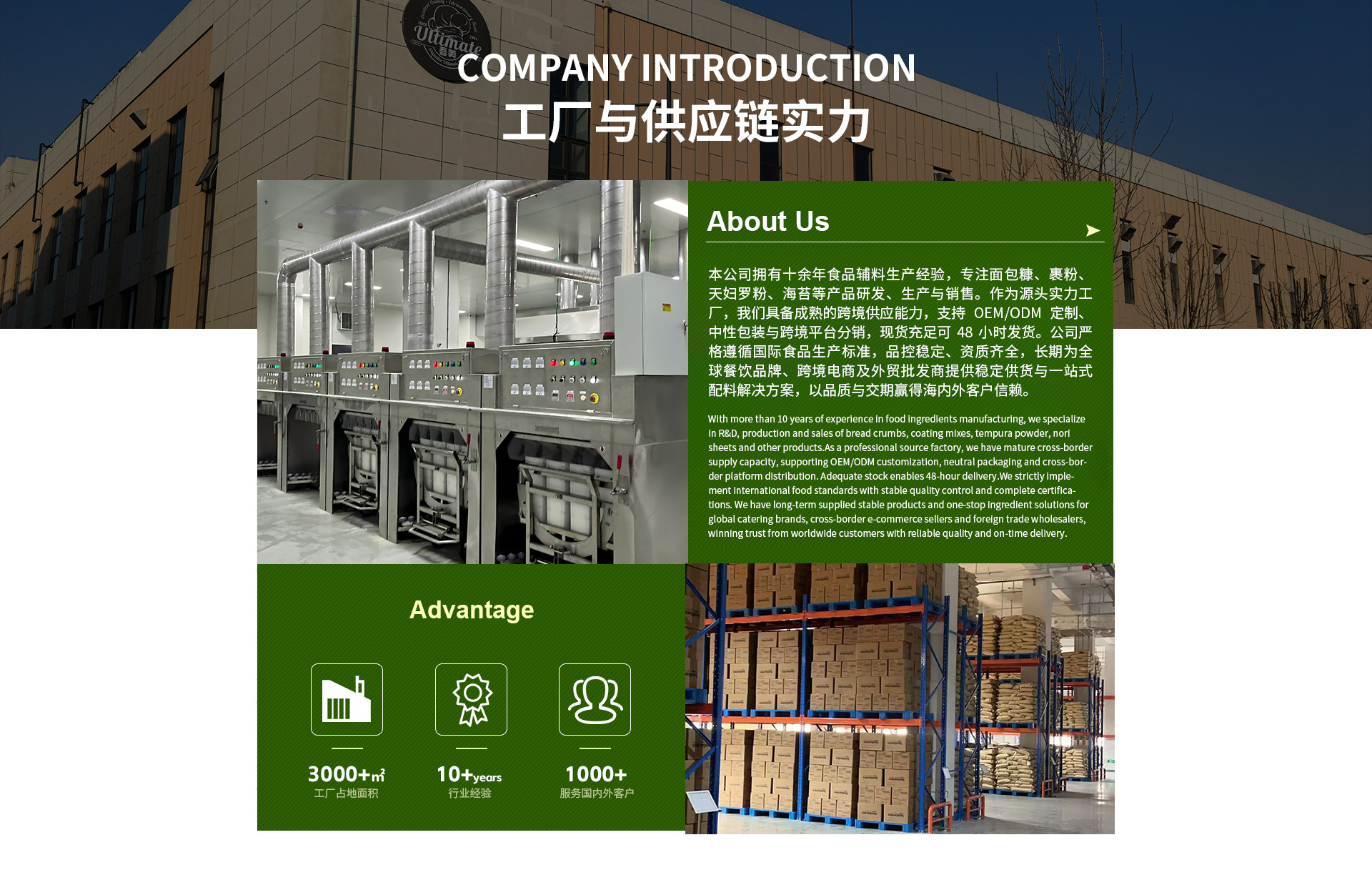
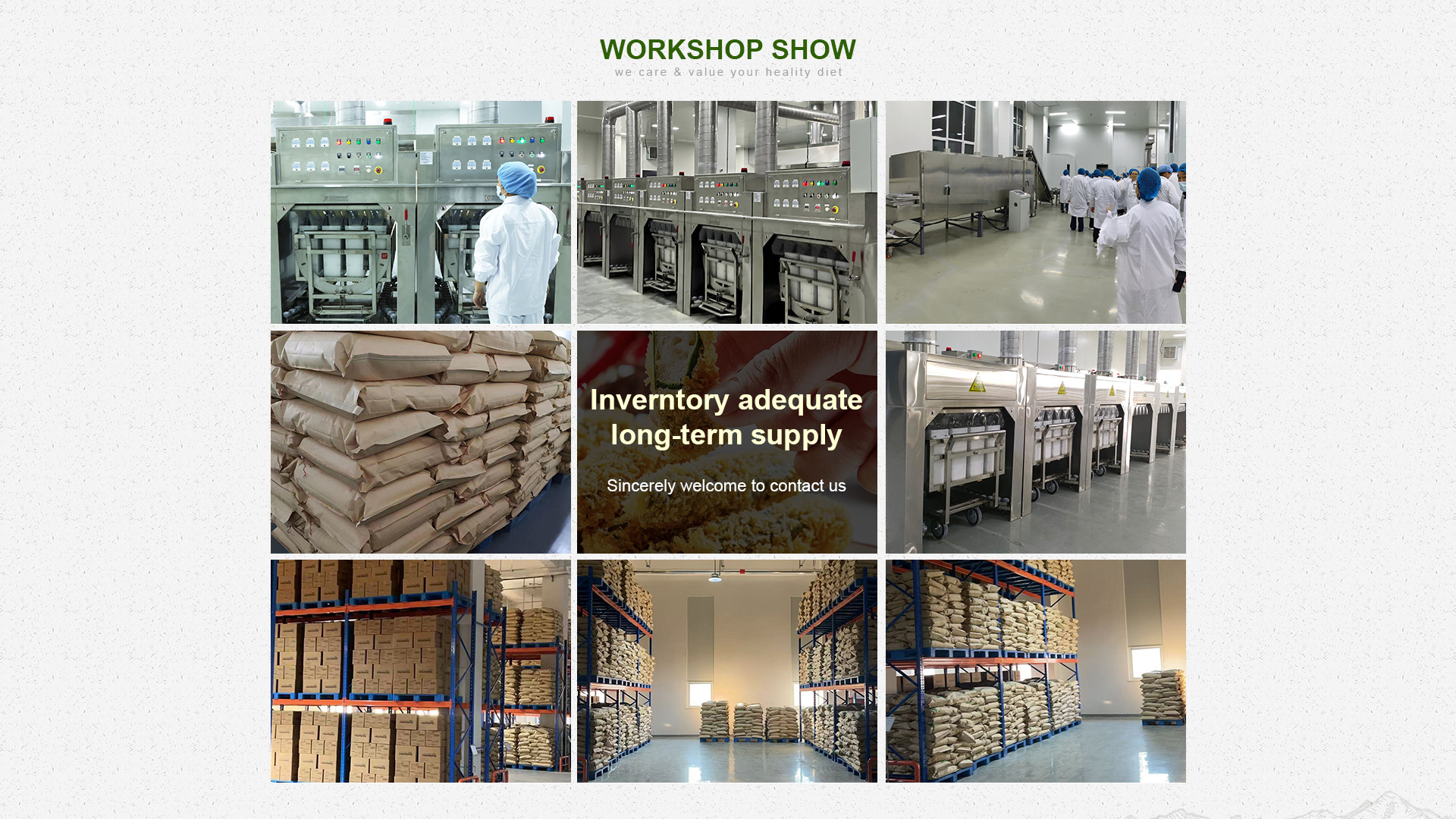
As an integrated manufacturing parent company, Beijing Haining Times Technology Co., Ltd. extends its rigorous quality management system (QMS) from mechanical engineering into agricultural processing. This dual expertise in machinery manufacturing (including commercial noodle and ice cream processing equipment) and food ingredient supply chains ensures that our clients receive stable, high-performance production solutions designed to satisfy rigorous global regulatory criteria.

Technical answers to critical procurement and processing questions.
Ensuring coating performance, texture consistency, and oil compatibility.
 Baking Supplies