High-performance functional ingredients curated for industrial bakeries, batter application systems, and commercial food production facilities.
The global food manufacturing industry is facing structural challenges regarding traditional egg supply chains. Avian influenza volatility, shifting consumer preferences toward allergen-free alternatives, and carbon emission targets have pushed multi-national corporations to seek robust, clean-label custom OEM egg substitutes. Standard avian eggs present dynamic risks, including microbial contamination (e.g., Salmonella), short shelf-lives, temperature-sensitive cold chain logistics, and price instability.
For large-scale bakeries, noodle factories, dressing plants, and meat processing facilities, utilizing dry or liquid egg substitutes has transitioned from a niche marketing strategy to a core risk-mitigation policy. By sourcing engineered alternative plant protein matrices, industrial food formulators can stabilize their cost structures while maintaining sensory and rheological performance.
OEM factories and certified industrial suppliers leverage advanced material science to design replacement agents tailored to specific culinary tasks: whole egg functional replacement, yolk emulsification replacement, or albumen-equivalent foaming agents. The ultimate objective is drop-in compatibility with existing industrial mixers, ovens, and extruder lines.
Traditional eggs are complex biological structures containing lipids, proteins, and water. True OEM replacement requires meticulous macro-molecular engineering.
Yolk contains high concentrations of lecithin, a phospholipid that binds lipid and aqueous phases. Our customized plant-based alternatives utilize combinations of isolated soy protein (ISP), modified starches, and sunflower lecithin fractions. This achieves an equivalent hydro-lipophilic balance (HLB) value, ensuring mayonnaise, salad dressings, and batters remain stable over wide temperature ranges without phase separation.
Ovalbumin in egg whites denatures and forms a permanent, cohesive gel network when heated above 62°C. To replicate this structure in baked goods and plant-based meat matrices, we configure hydrocolloid synergisms using methylcellulose, konjac gum, and pea protein isolates. These ingredients form a thermally reversible or irreversible gel network that retains moisture and oil, providing elasticity and chewiness.
Whipping egg whites traps air bubbles, stabilized by proteins like globulins. For meringue and sponge cake applications, OEM formulations deploy potato protein fractions or hydrolyzed chickpea extract (aquafaba). These raw materials dramatically lower surface tension at the gas-liquid interface, facilitating rapid air inclusion and producing high overrun and bubble stability during heat processing.
How modern factories manage procurement, international food safety, and custom co-packing for global logistics networks.
Sourcing raw materials on a global scale requires suppliers to have deep, integrated supply lines. The core protein bases (such as mung bean, faba bean, yellow pea, and soy) are cultivated, refined, and processed in high-capacity dry-blending plants. Modern industrial factories ensure chemical and physical batch consistency via automated recipe management, pneumatic conveying, and metal detection systems.
For custom OEM buyers, this translates to strict control over particulate distribution, moisture content, and microbial load. Packaging formats range from 25kg multi-wall paper bags with plastic barrier liners to 1000kg bulk super sacks, optimized for automated pneumatic powder dispensing systems in modern automated food plants.
Integrating diverse industrial manufacturing capabilities, from automated processing hardware to consumer-facing retail systems.
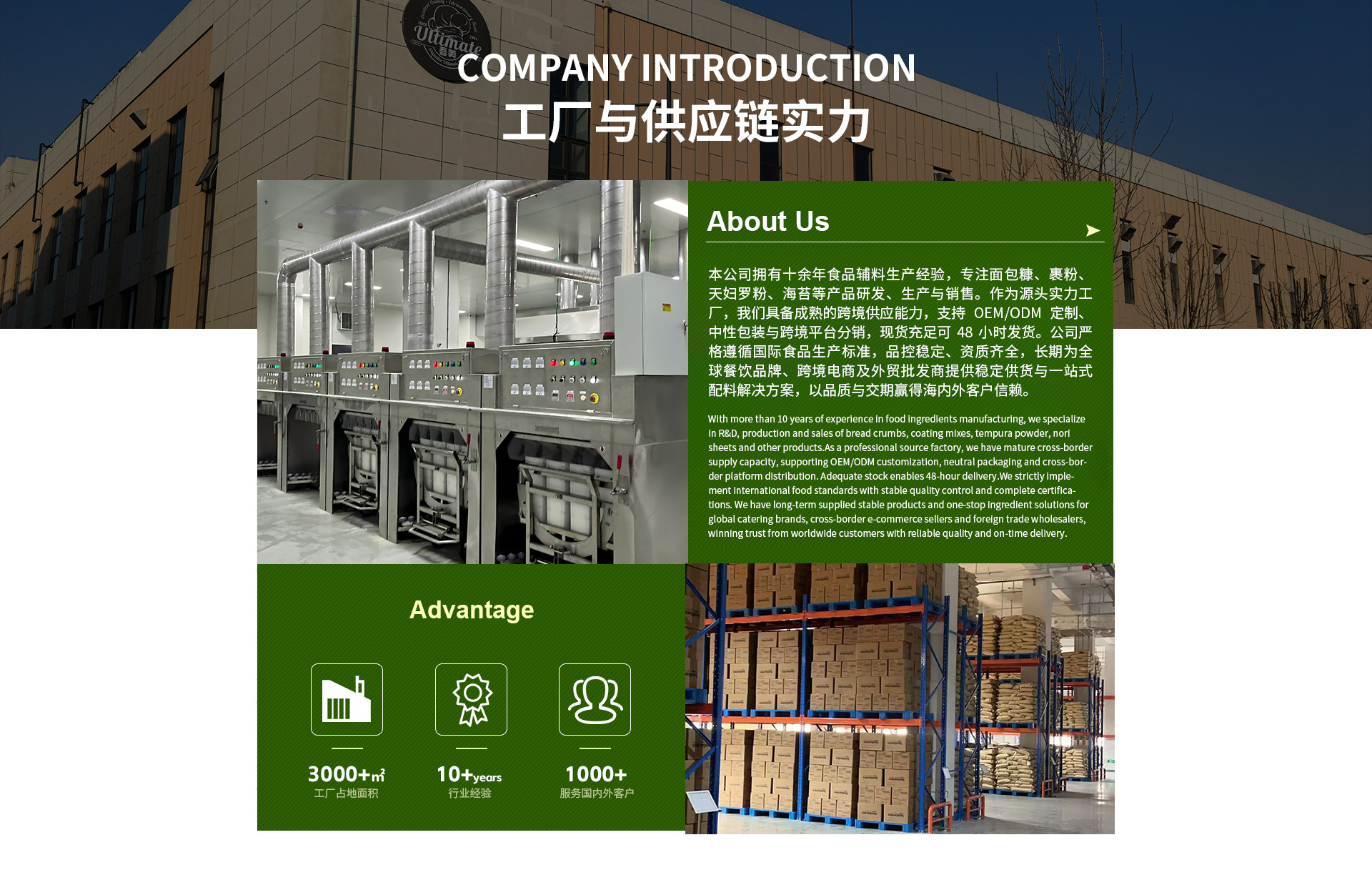
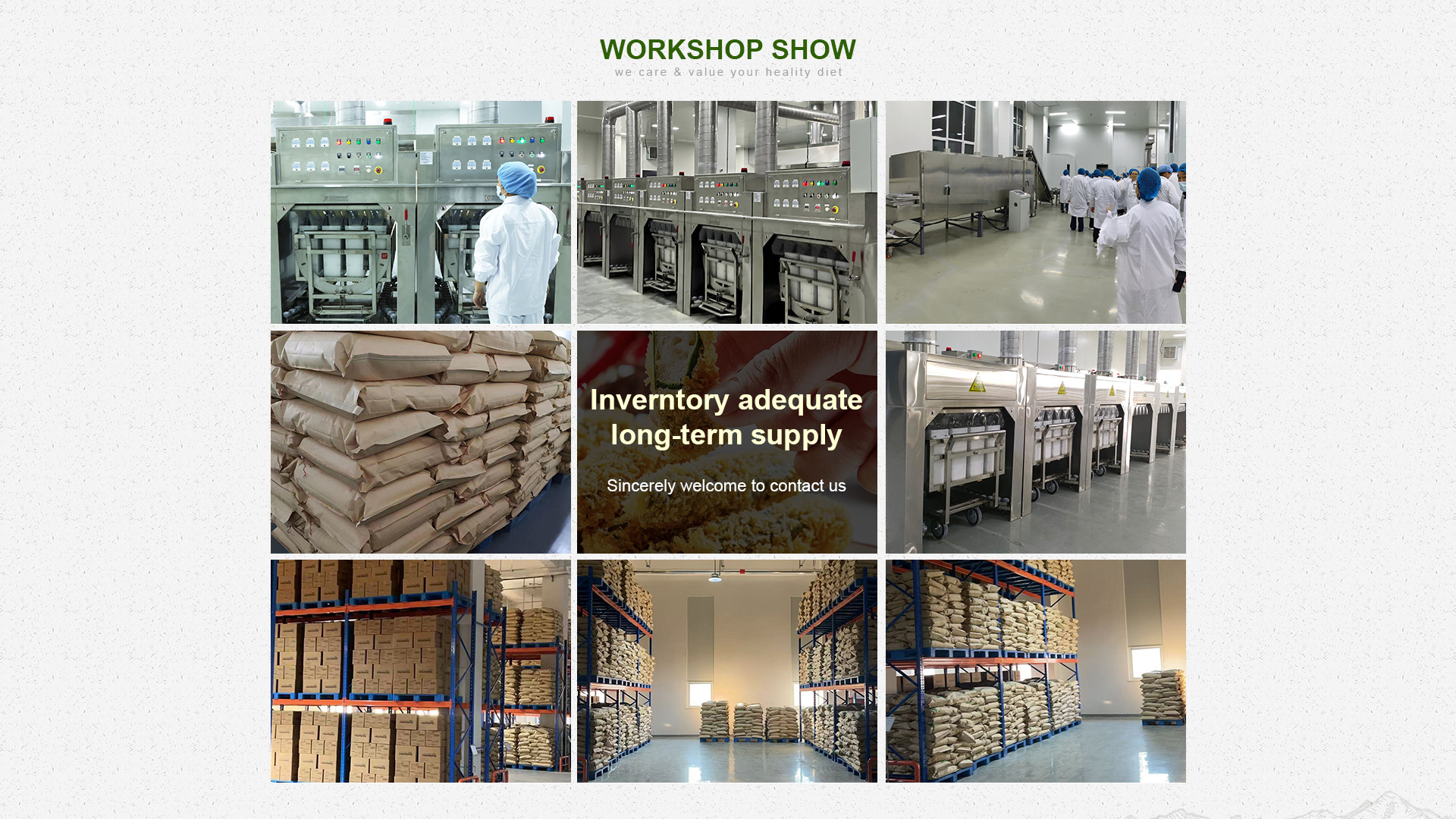
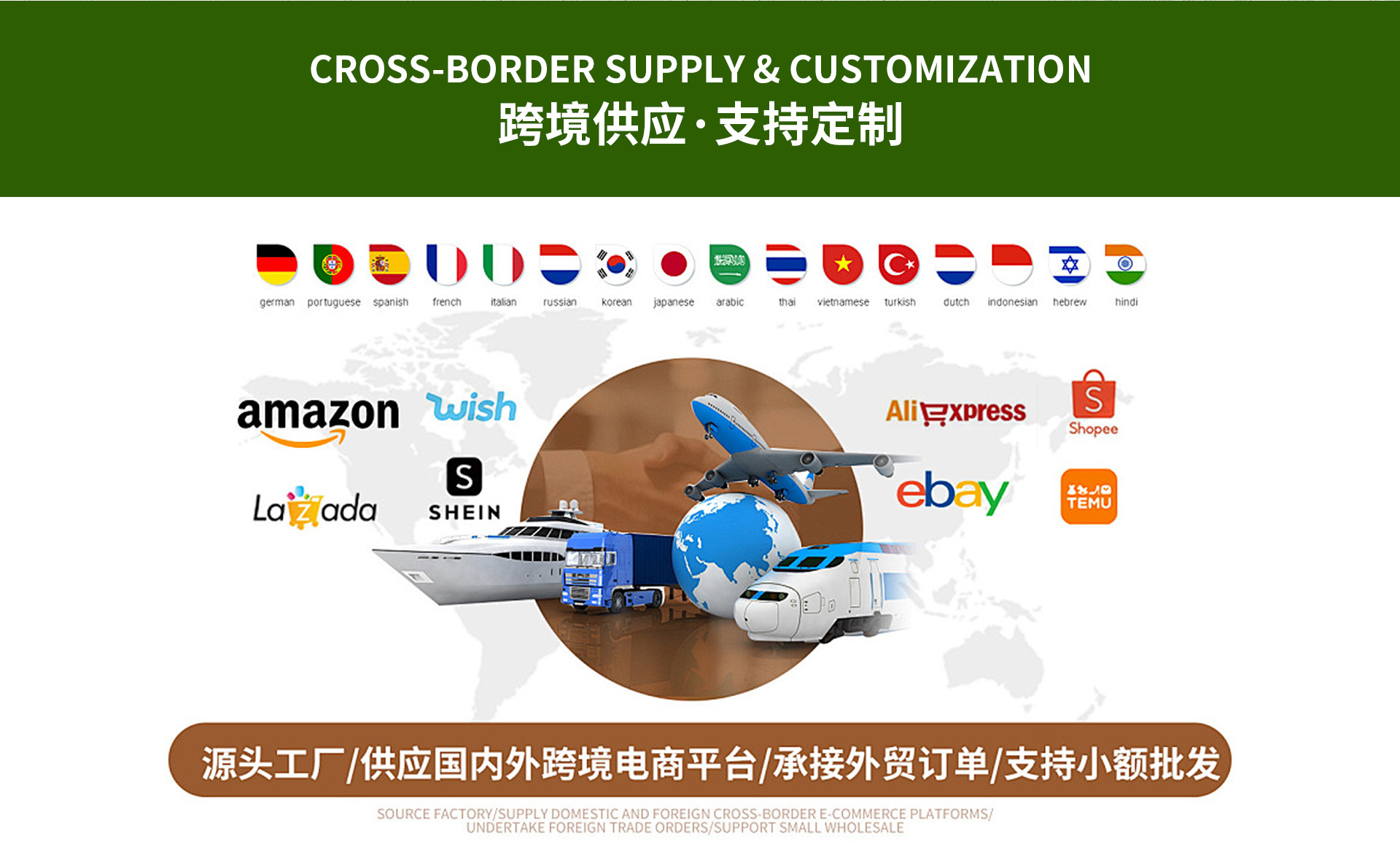
北京海宁时代科技有限公司是专注消费电子领域的源头生产厂家,拥有自主生产资质与成熟外贸出口能力。店铺常年备有面条机、冰淇淋机等主力产品的大批量现货,支持快速响应与稳定交付;同时提供OEM/ODM加工定制服务,满足跨境客户、企业自用及个性化需求。依托扎实的制造实力与高效供应链,我们已服务众多国内外B端客户,品质与履约能力值得信赖。
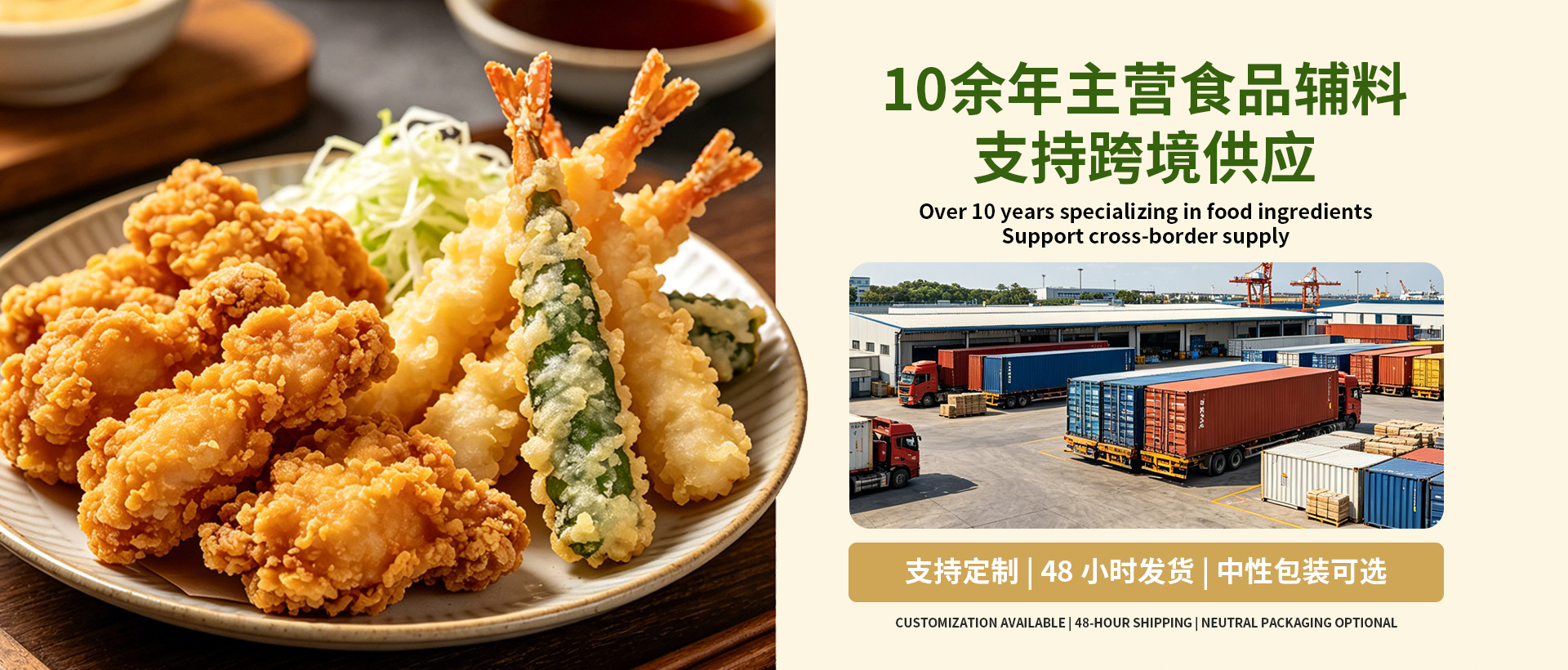

Navigating global food legislation to ensure swift market entry and complete ingredient transparency.
For B2B buyers exporting globally, compliance with the FDA (USA), EFSA (Europe), and National Health Commissions is vital. OEM facilities maintain strict allergen control protocols. If producing soy-free or gluten-free egg substitutes, production lines undergo comprehensive sanitization processes verified by ELISA allergen detection assays to prevent cross-contamination.
Broadening market reach requires dedicated verification. Most plant-based egg replacement mixtures are formulated to naturally meet Kosher (Pareve) and Halal requirements. Additionally, meeting non-GMO Project Verified, GFCO Gluten-Free, and Vegan Society standards provides a competitive advantage for consumer product brands seeking shelf space.
Modern consumers demand clean ingredient lists without complex chemical names. OEM custom suppliers develop functional substitutes using recognizable agricultural ingredients (e.g., starch from cassava, proteins from yellow peas, natural colorants from turmeric or beta-carotene) to bypass synthetic emulsifiers like polysorbate 60 or carboxymethyl cellulose.
A strategic timeline showing how global food brands execute seamless transition to customized egg alternatives.
Addressing deep technical inquiries from food scientists, regulatory leads, and supply chain managers.
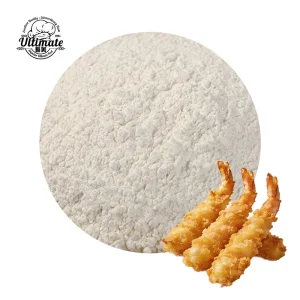
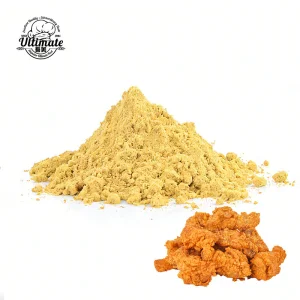
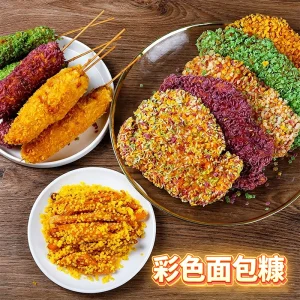
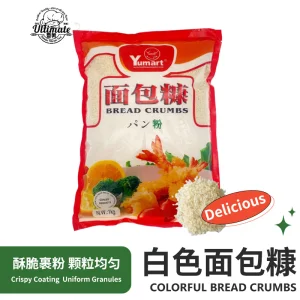
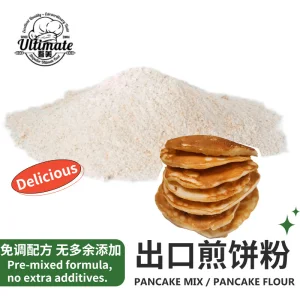
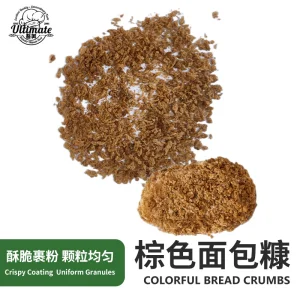
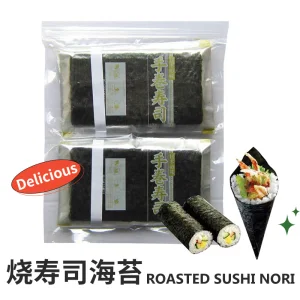
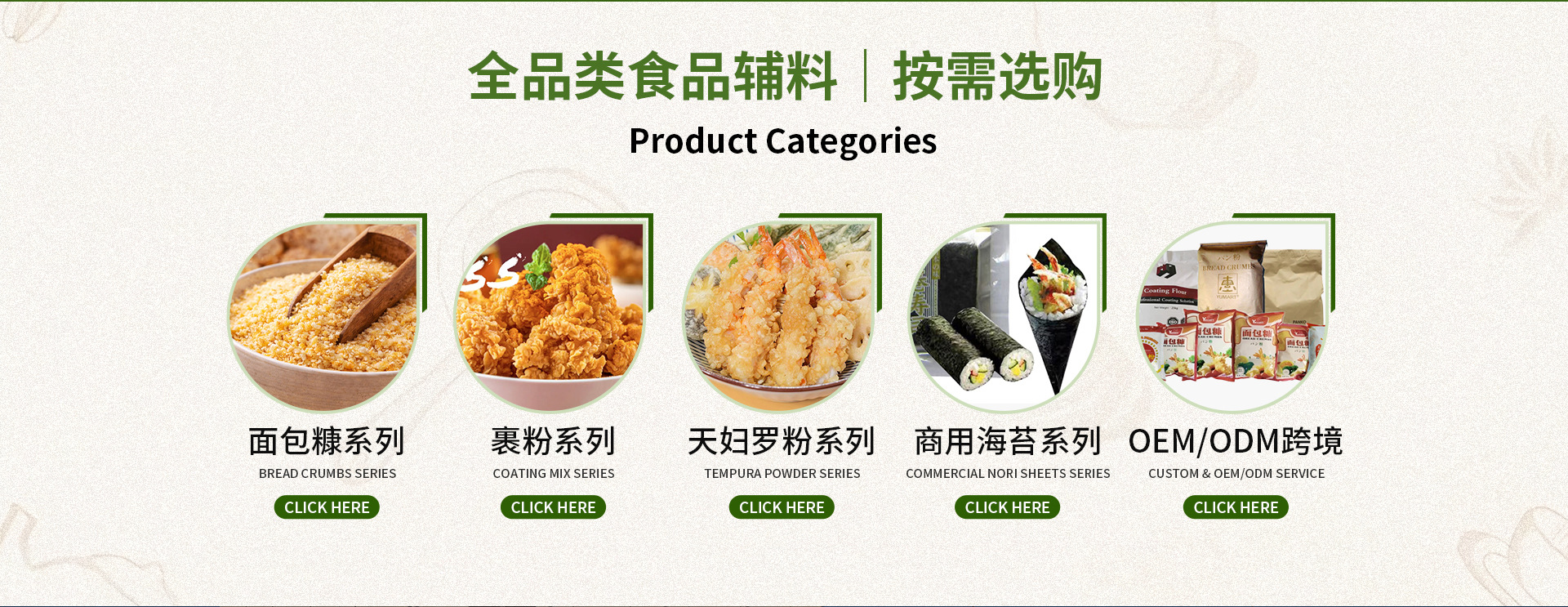
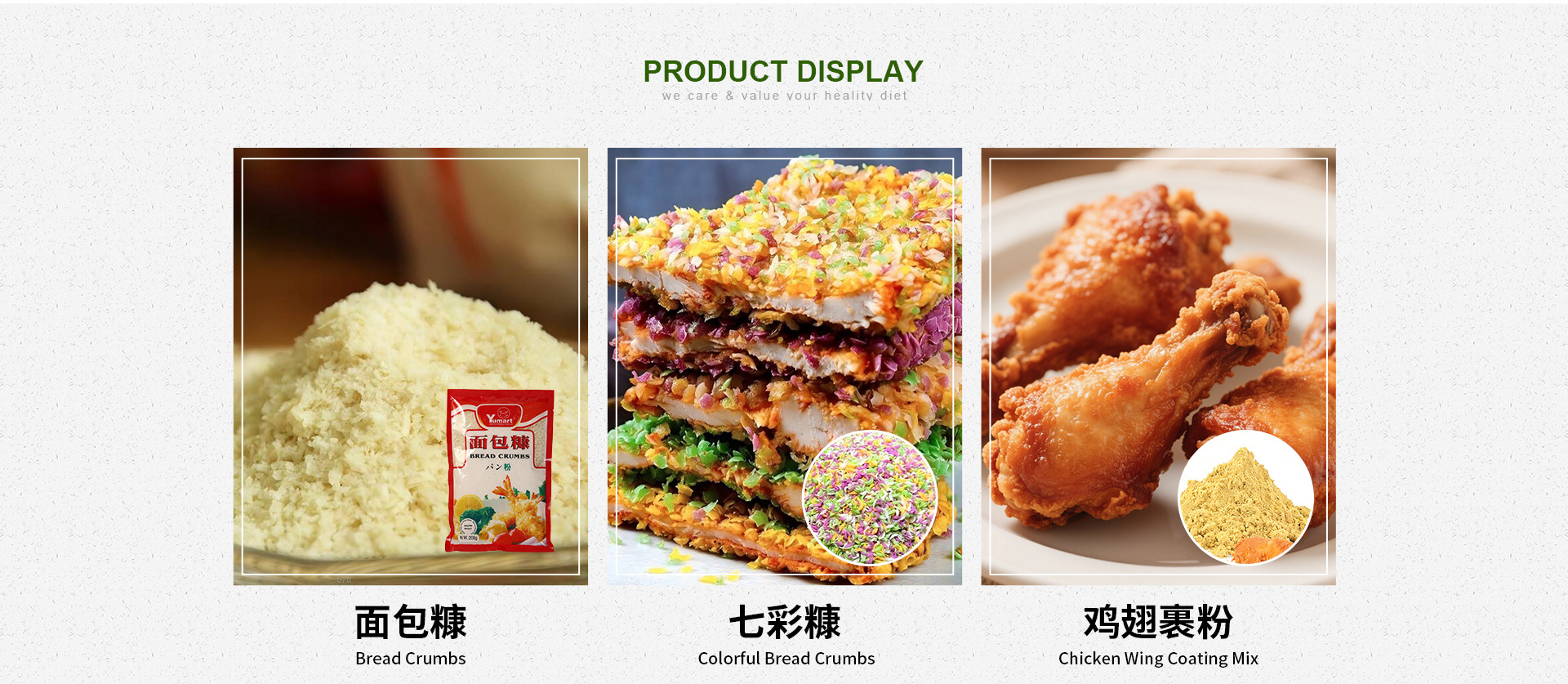
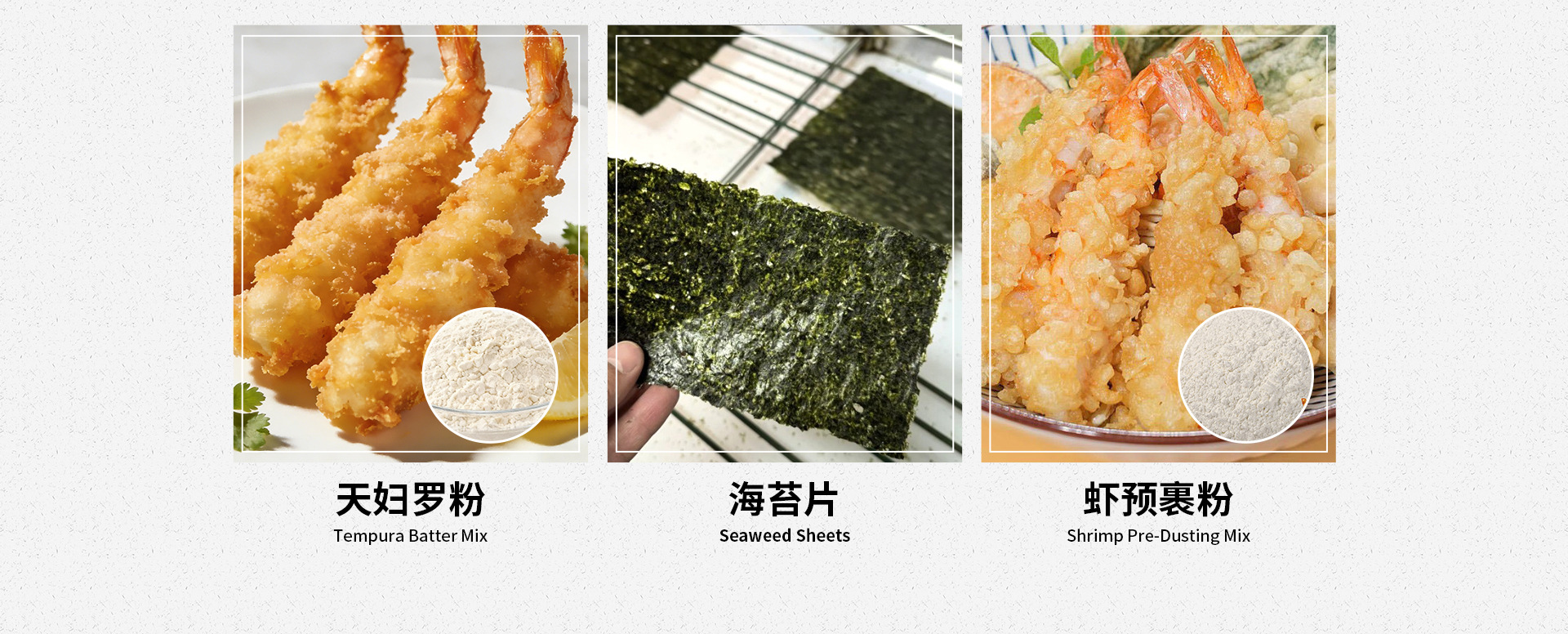
Complementary high-capacity coating systems, frying powders, and specialized ingredients manufactured under strict food safety conditions.
 Baking Supplies