Global Industrial Formulation Guide, Smart Manufacturing 4.0 Ecosystem, and Supply Chain Solutions for Enterprise Food Ingredients & Catering Operations
Premium bulk catering ingredients optimized for processing performance, coating adhesion, and industrial scaling.
In the modern B2B food formulation industry, Non-Dairy Creamers (NDC)—often referred to as coffee whiteners or vegetable fat powders—have transitioned from simple dairy alternatives to highly sophisticated, functional engineering components. The global demand for custom non-dairy creamer formulations is surging, driven by the exponential growth of ready-to-drink (RTD) beverages, instant milk tea, powdered coffee premixes, bakery goods, and institutional catering operations.
As primary components in food manufacturing, these spray-dried emulsions are highly prized for their capability to deliver mouthfeel, emulsion stability, solubility, and fat delivery across various food matrices. Today's procurement managers and global food developers face complex challenges: they must source ingredients that not only meet rigid sensory profiles but also satisfy local regulatory guidelines regarding trans-fatty acids (TFAs), hydrogenation levels, non-GMO status, allergen declarations (e.g., sodium caseinate dependencies), and clean-label designations.
"Modern food processing requires ingredients that act as functional systems. A custom OEM non-dairy creamer is not merely a fat carrier; it is an emulsion system designed to maintain thermodynamic stability under varying processing pressures, temperature fluctuations, and pH environments."
The industrial usage of non-dairy creamers is experiencing a structural shift, influenced by several global consumer and technological factors:
Procurement professionals operating within multinational food conglomerates, catering groups, and franchise networks face significant challenges when sourcing bulk ingredients. The primary bottlenecks in non-dairy creamer sourcing revolve around batch-to-batch consistency, dissolution velocity in cold liquid states, and resistance to feathering (precipitation) in highly acidic coffee matrices.
Furthermore, shipping bulk food powders across borders requires strict adherence to international food safety standards (such as HACCP, ISO 22000, Halal, and Kosher certifications). Fluctuating freight conditions necessitate that powders possess optimal bulk density to maximize container loading efficiency, along with robust barrier packaging to protect the product against moisture absorption, caking, and oxidative rancidity during maritime transit.
Formulations engineered to resist curdling and feathering when dissolved in low-pH coffee systems (pH 4.5 - 4.8) at high temperatures.
Optimized particle size distribution (PSD) ensuring rapid wet-out, dispersion, and absolute dissolution with zero clump formation.
Utilizing enzymatic interesterification of lipids to achieve high melting point functionality without producing harmful trans-fats.
A unique advantage of partnering with a diversified manufacturer is the ability to align raw material development with state-of-the-art food processing equipment. For example, Beijing Haining Times Technology Co., Ltd. stands as a premier source manufacturer, operating with comprehensive production qualifications and extensive export capabilities.
While maintaining a strong position in high-throughput food machinery—including advanced commercial noodle makers and automated ice cream machines—our integrated ecosystem enables us to analyze food processing from both an ingredient formulation and mechanical perspective. For instance, when designing a non-dairy creamer optimized for frozen desserts, our team tests the powder's aeration properties and viscosity curves using our own commercial ice cream machinery. This verification ensures that the final formulation delivers optimal overrun, clean melting characteristics, and smooth extrusion performance.
The production of high-grade dry food powders requires a highly controlled industrial environment. Our manufacturing infrastructure leverages China’s Factory 4.0 framework, incorporating automation, real-time quality control, and vertical integration to provide substantial cost advantages and stable delivery options.
Our automated manufacturing processes utilize multi-stage spray drying towers equipped with integrated fluid beds. This technology allows us to manage heat zones precisely, preventing protein denaturation and lipid degradation. Advanced computer-controlled dosing systems guarantee that dry ingredients (such as carriers, proteins, and stabilizers) are blended with liquid lipid emulsions down to the milligram level before homogenization.
Below is a visual overview of our industrial processing facilities, advanced logistics warehouses, and high-performance machinery manufacturing units. These facilities enable us to process large-volume orders and maintain stable delivery times for global clients:
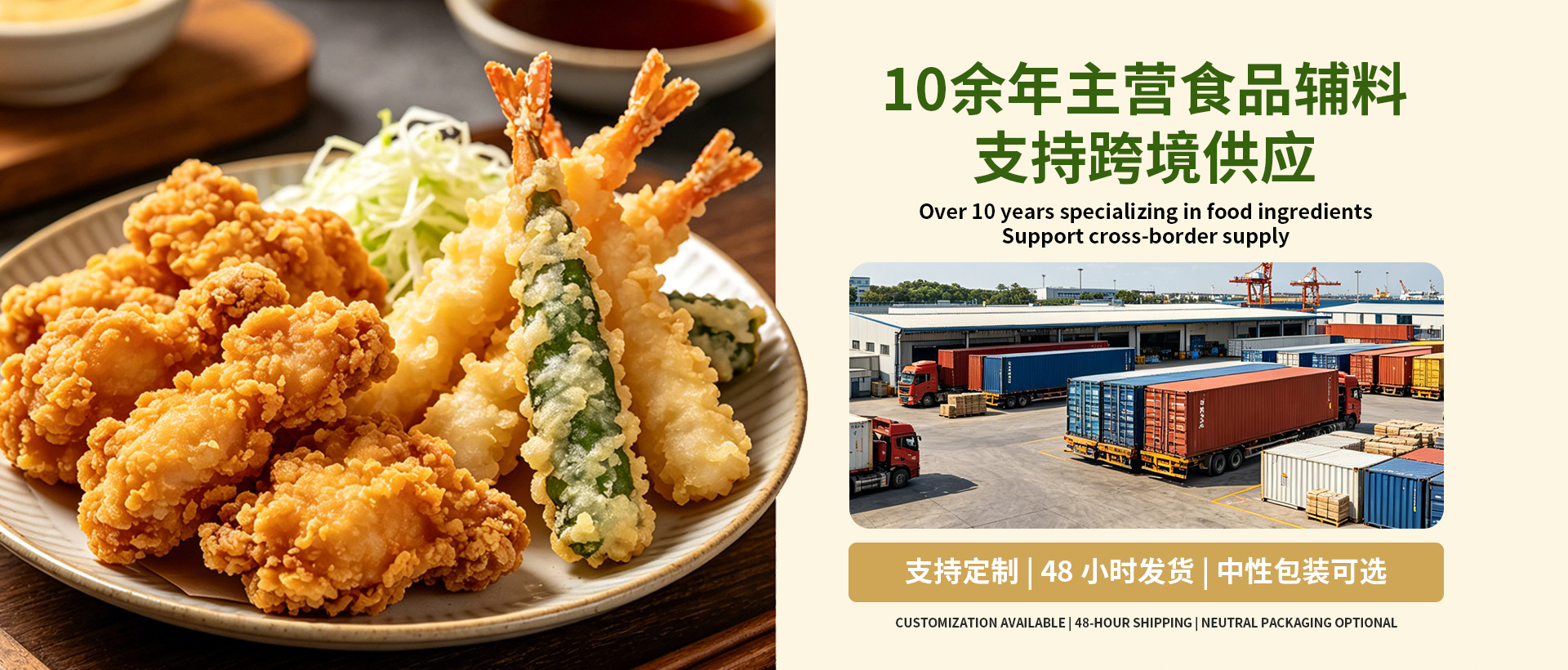

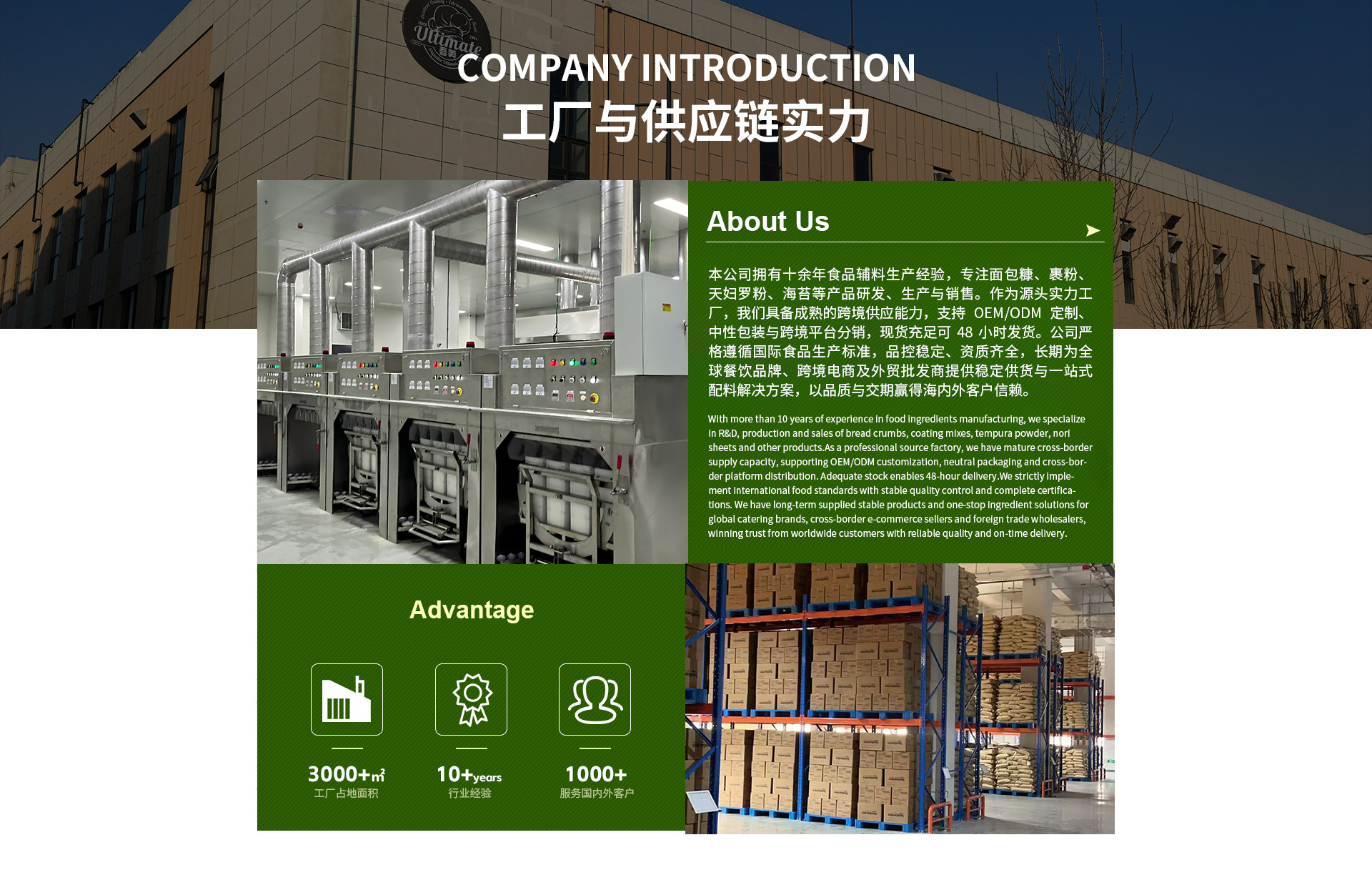
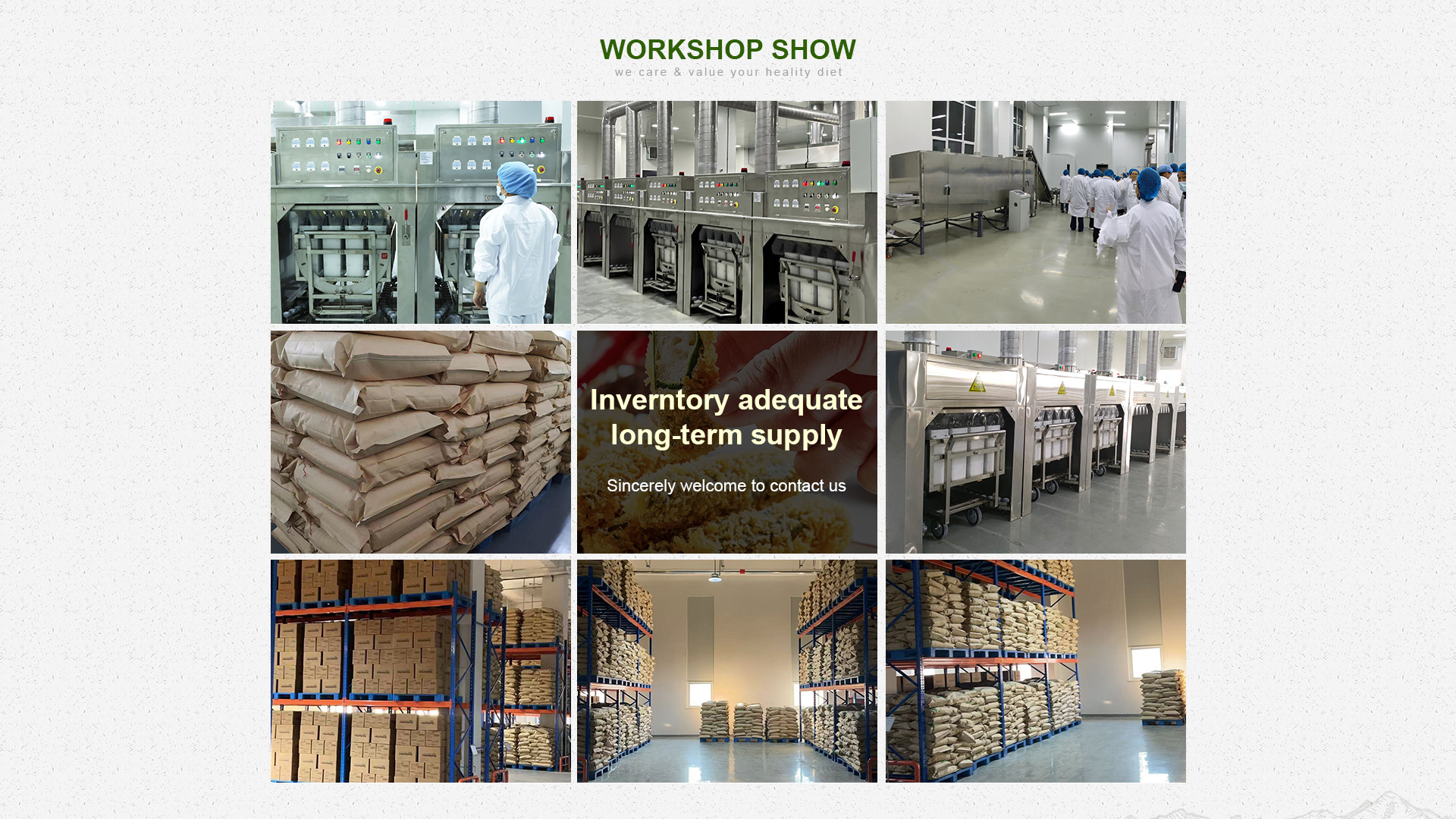
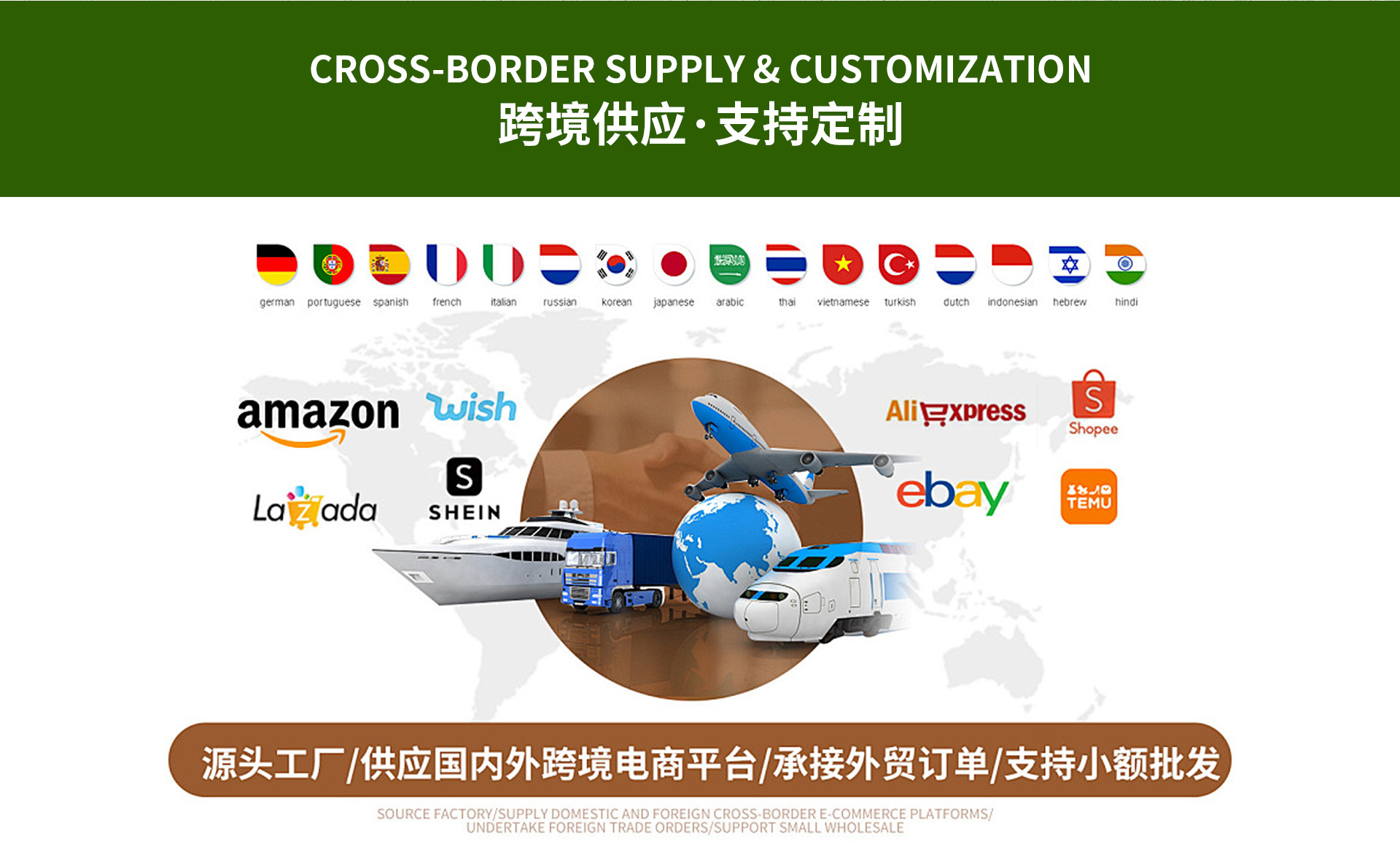
As a leading, source-level manufacturing enterprise specializing in commercial food equipment and industrial ingredients, we operate with full export qualifications and a robust supply chain infrastructure. We maintain large, ready-to-ship inventories of our core machinery products (including commercial noodle machines and ice cream machines) to support prompt deliveries and fast response times. In parallel, we offer end-to-end OEM/ODM customization services to meet the specific requirements of cross-border buyers, catering franchises, and industrial food packagers. By linking advanced machinery engineering with custom ingredient formulation, we provide a reliable, single-source supply chain for food businesses worldwide.
Custom non-dairy creamers perform different functions depending on their final application. Our laboratory formulators adjust lipid types, fat loading (ranging from 10% to 50%), protein percentages, and emulsifier ratios to optimize performance in various environments:
In hot and acidic beverage applications, creamers must dissolve rapidly without forming surface slick (oil separation) or bottom sediment. Our custom OEM formulations use heat-stable dipotassium phosphate buffering salts to neutralize acidity and preserve emulsion integrity. This process delivers a smooth, lingering mouthfeel that complements the natural notes of coffee and tea.
For bakery applications, the creamer acts as a texturizing agent that retains moisture and improves crumb structure. In whipped toppings, the creamer must feature high whipping overrun and maintain foam stability. We customize these formulations with selected vegetable fats that yield dry, firm peaks and minimize moisture loss over extended display cycles.
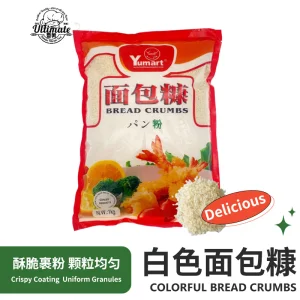
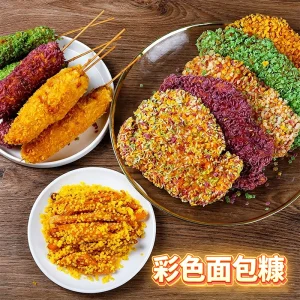
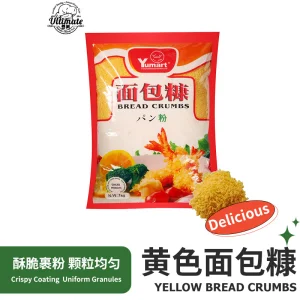
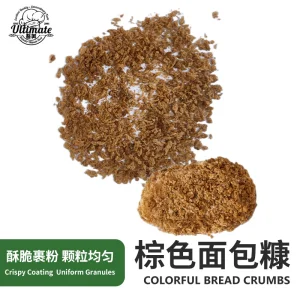
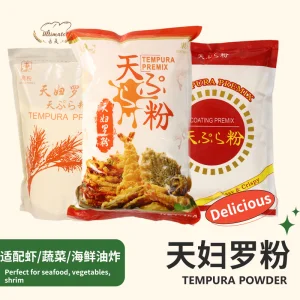
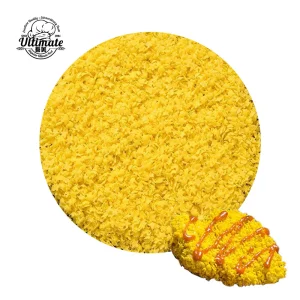
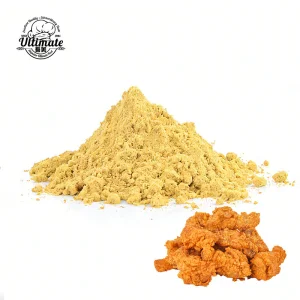
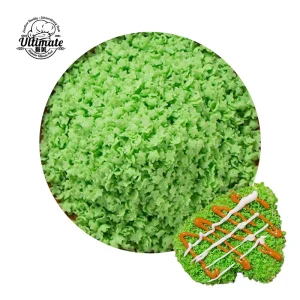
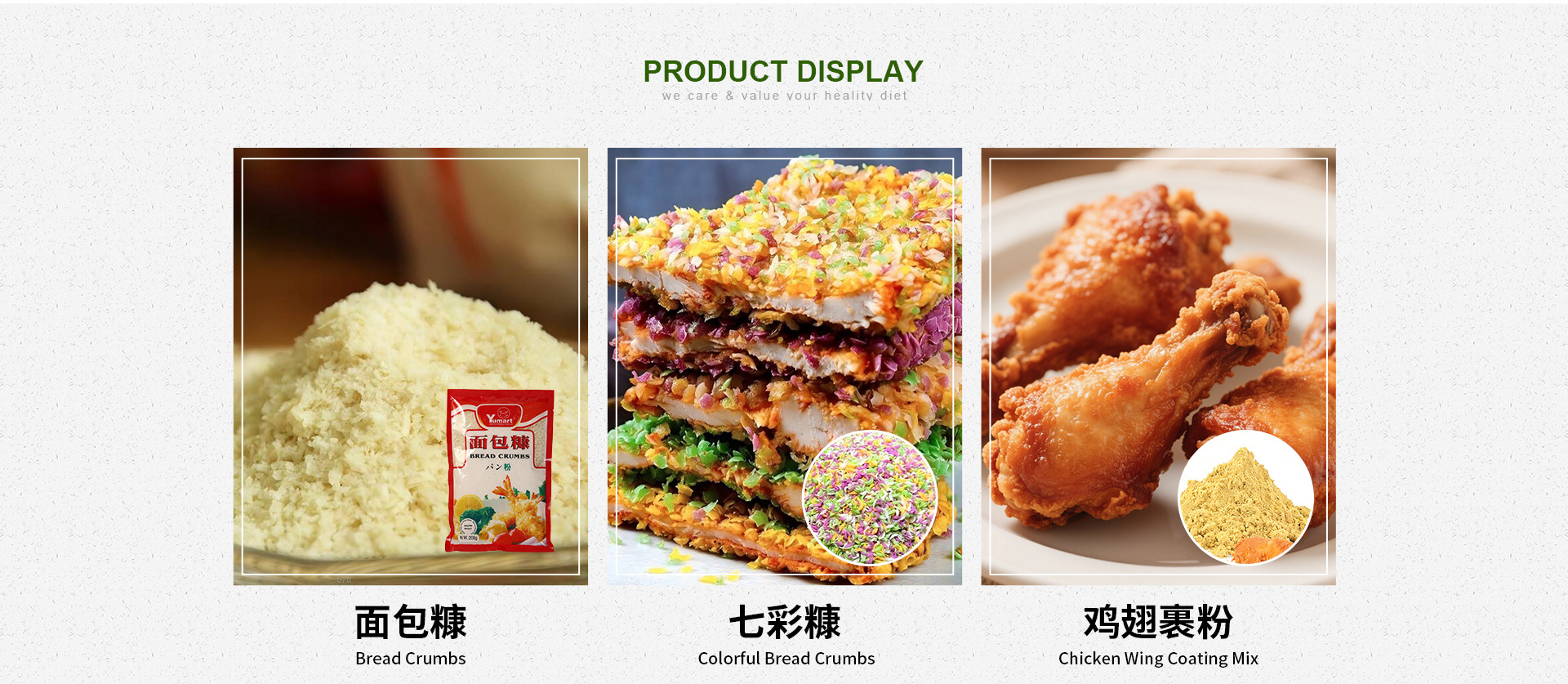
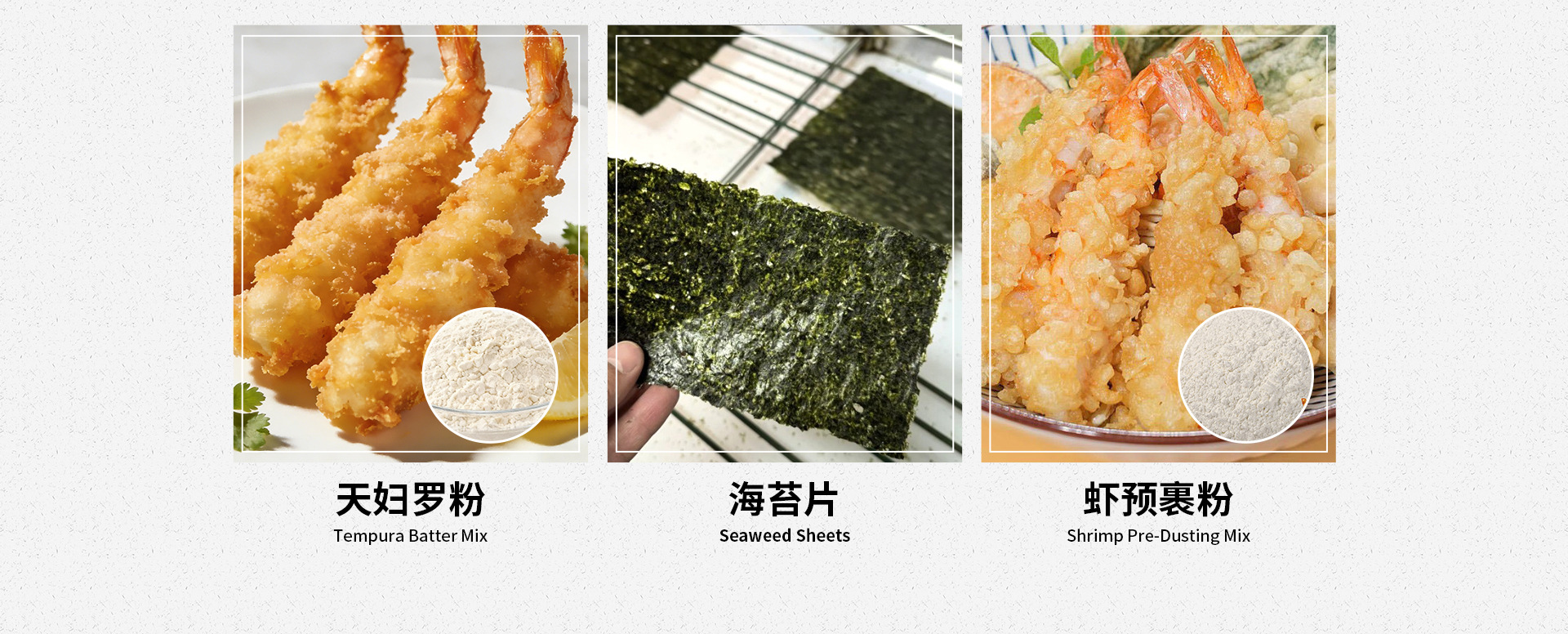
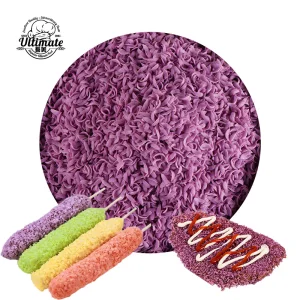
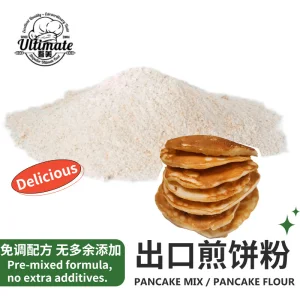
Non-dairy fat powders can be blended directly into pancake mixes, waffle batters, and crispy coatings (such as tempura or breadcrumb predust systems). Incorporating these fat powders improves batter cling, keeps the meat inside tender during high-temperature frying, and ensures the outer breadcrumbs (whether white crescent, yellow, or purple panko varieties) fry to a consistent golden brown.
In-depth insights into custom formulations, shelf-life validation, packaging protocols, and MOQ logistics.
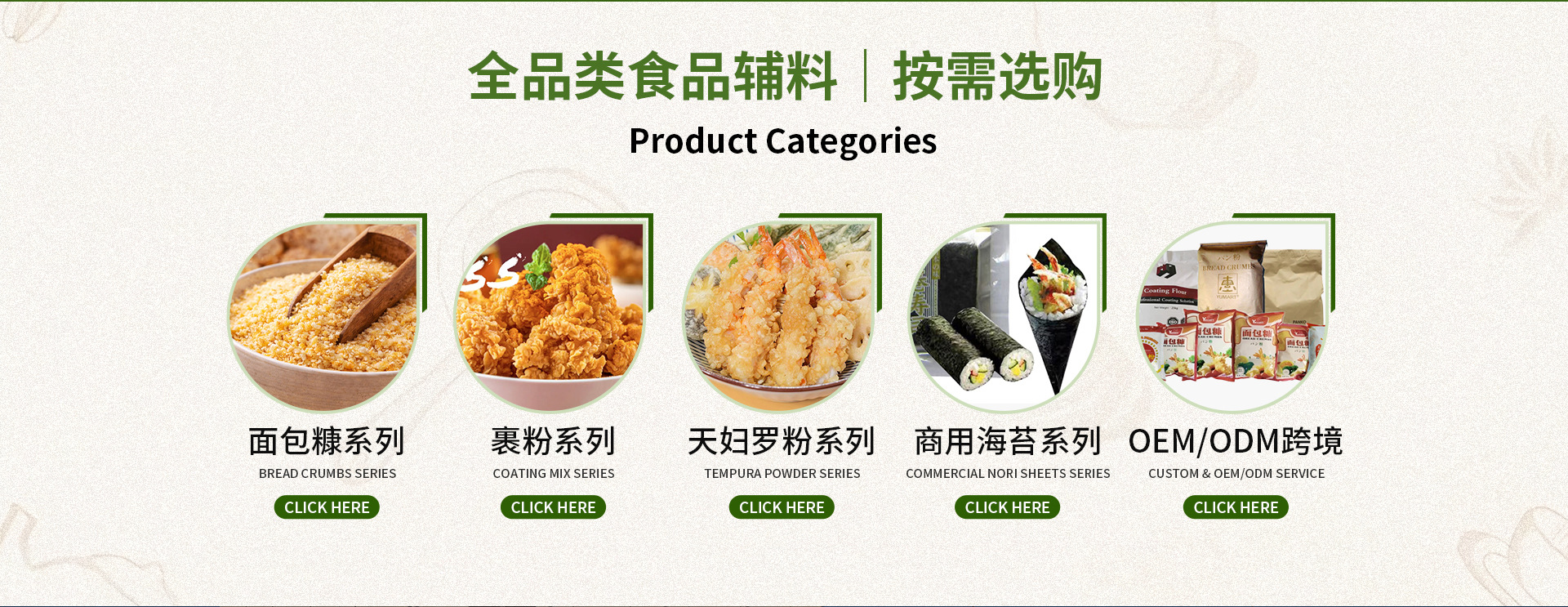
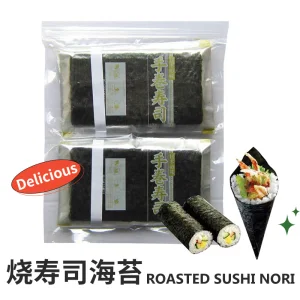
Explore our full range of commercial food solutions, including specialized breadcrumbs, seasoning premixes, and high-performance frying ingredients.
 Baking Supplies