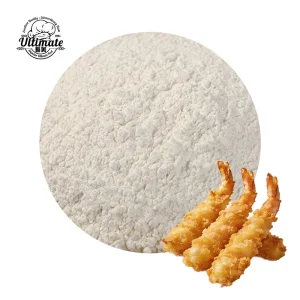
High-performance raw materials formulated for global food manufacturers, commercial catering chains, and quick-service operations.
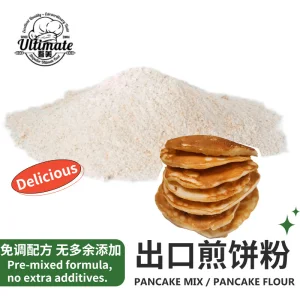
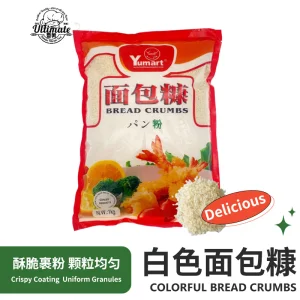
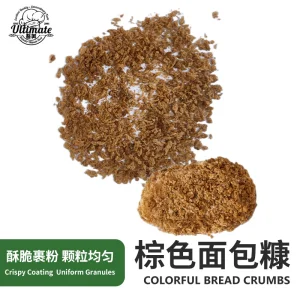
Understanding the macro-economic drivers, supply chain demands, and technological advancements shaping the commercial wet condiments and dry coating sectors.
The global commercial condiments and gourmet sauces market is experiencing unprecedented growth, driven by rapid urbanization, fast-food penetration, and the escalating demand for international cuisine. As large-scale food service franchises expand across continents, the reliance on standardized culinary profiles has positioned OEM/ODM wet condiment manufacturers as the backbone of global food supply chains.
From micro-encapsulated hot sauces to shelf-stable emulsion sauces (mayonnaise, dressings, aiolis), current commercial processors must balance complex viscosity properties with clean-label preservation methods to withstand global shipping channels.
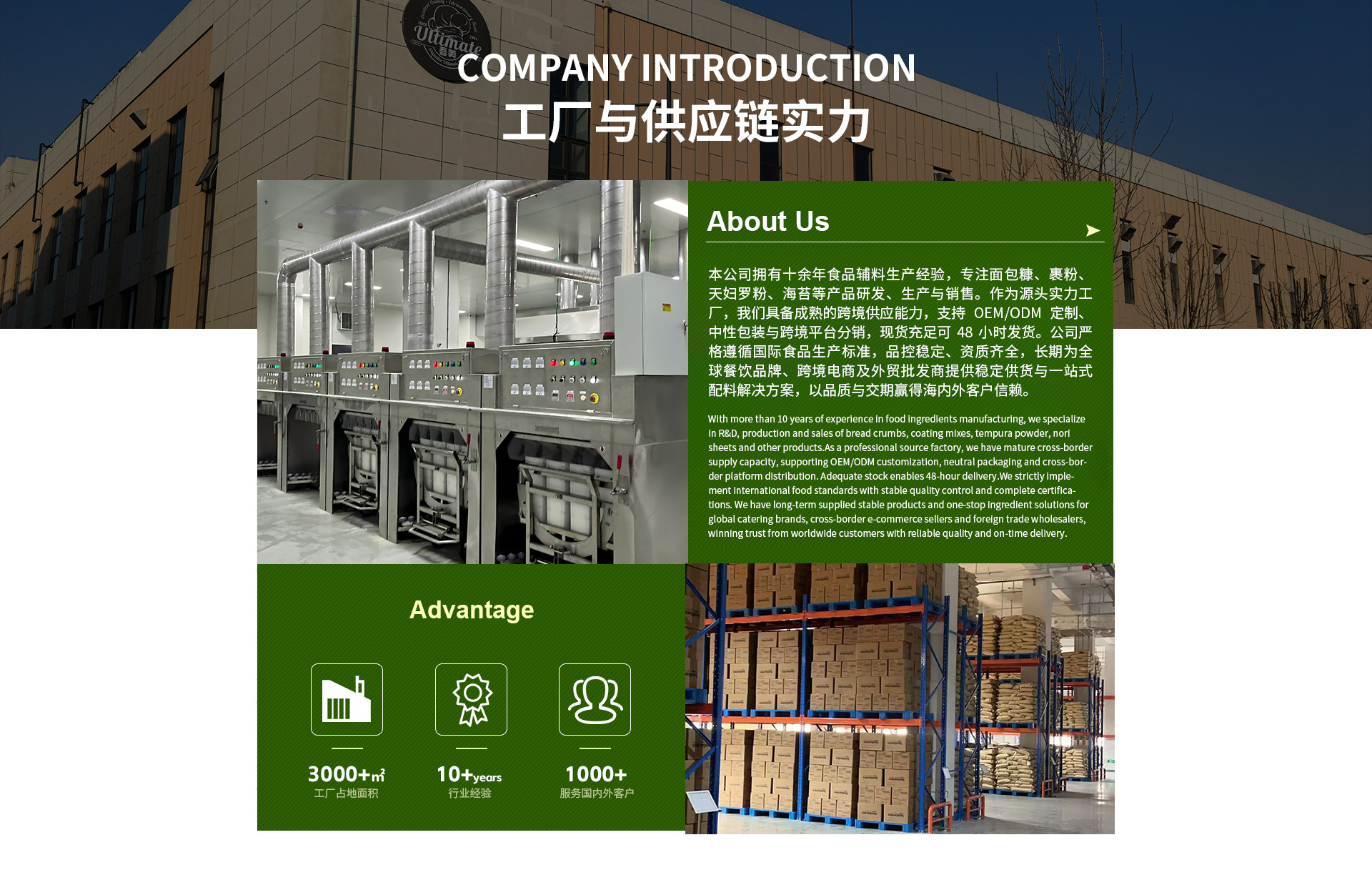
Historically, the food ingredients sector operated in isolation from industrial kitchen machinery. Today, we witness a technological convergence. The success of a commercial dry coating mix (such as tempura powder or breadcrumbs) relies heavily on the machinery used for processing. For example, high-volume automated battering lines require powders with precise hydration kinetics to prevent nozzle clogging.
By coordinating formulation R&D directly with mechanical engineers, OEMs can deliver end-to-end solutions that optimize both ingredient performance and machinery throughput.
Cross-border distribution of gourmet sauces and breading systems demands rigorous compliance. Industrial suppliers must possess international credentials including HACCP, ISO 22000, BRCGS, and Halal certifications. Chemical profile parameters (such as water activity levels, pH stabilization, and allergen separation) must be customized according to target destination regulations (FDA, EFSA, etc.) to guarantee seamless custom clearances.
How modern food technology solves the physical limitations of taste retention, texture consistency, and high-throughput production.
Every commercial sauce exhibits custom flow behavior—whether it is pseudoplastic (shear-thinning like ketchup) or thixotropic (viscosity changes over time). Our wet ingredient lab utilizes advanced rheometers to design sauces that pump easily through industrial packaging nozzles, yet cling perfectly to proteins upon application.
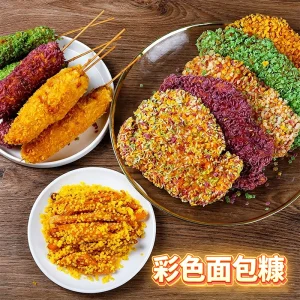
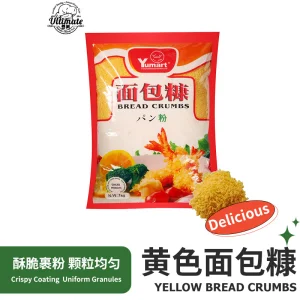
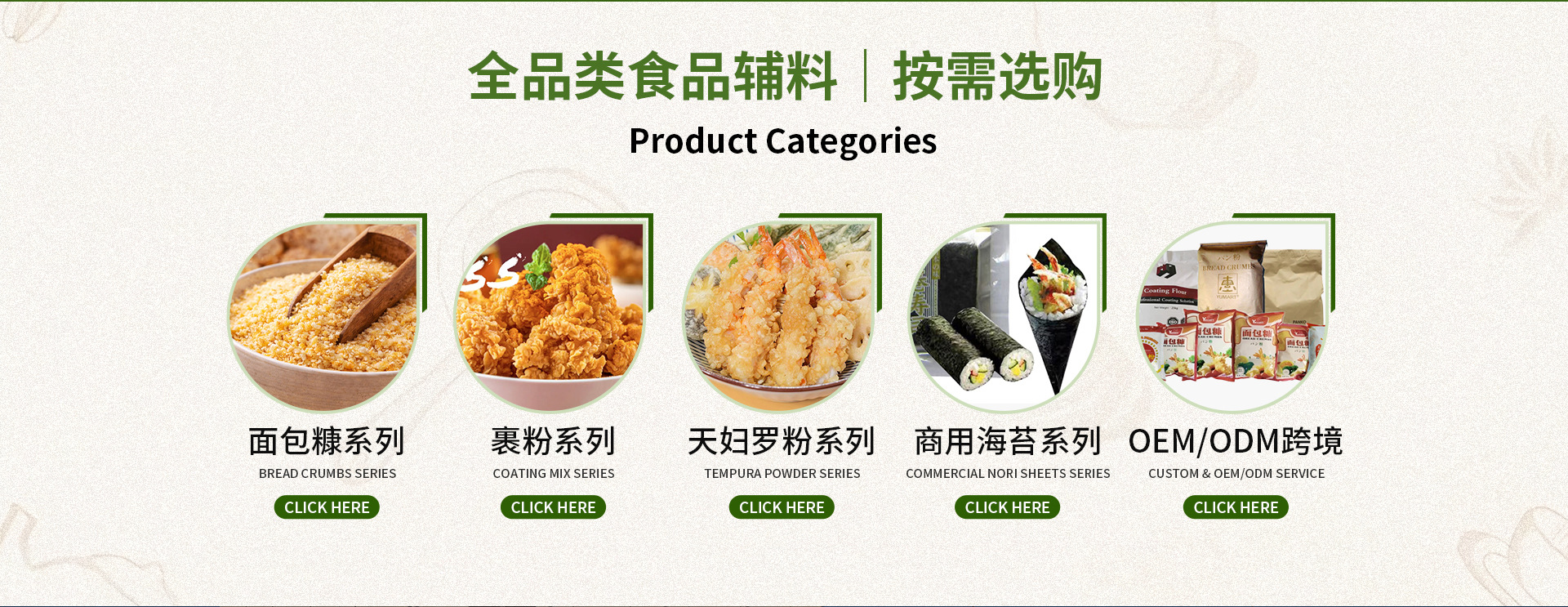
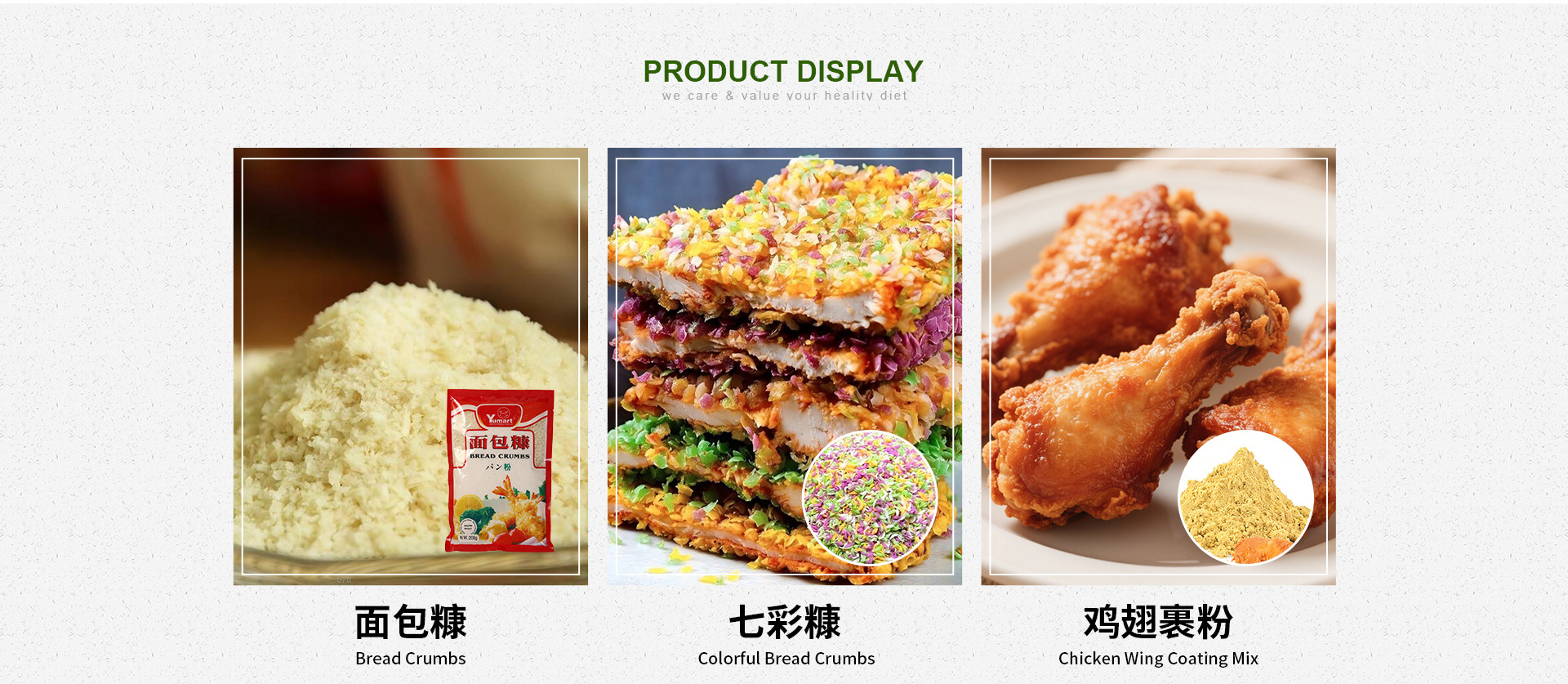
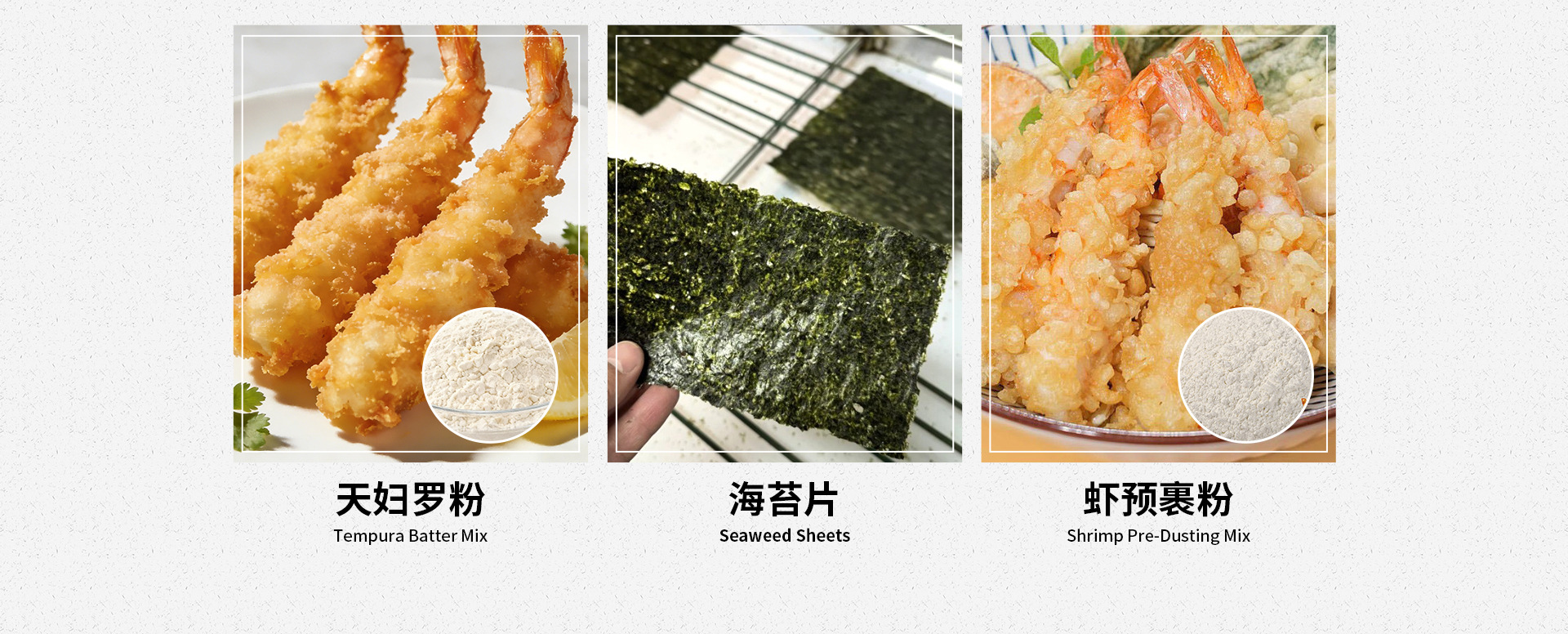
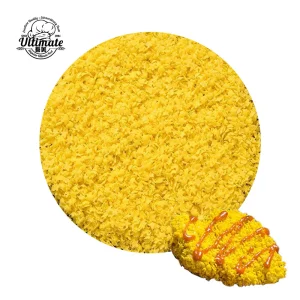
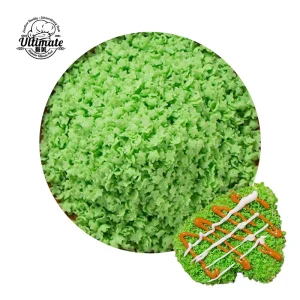
For items like commercial breadcrumbs and tempura pre-dusts, moisture management is critical. We manipulate starch retrogradation and crumb pore-structures to ensure that fried coatings remain crispy for prolonged periods, even under hot display lamps common in global QSR chains.
To retain fresh herb and spice aromatics in high-acid/hot-filled sauces, we deploy High-Temperature Short-Time (HTST) pasteurization. This process preserves the delicate organoleptic profiles of gourmet raw materials while establishing commercial sterility.
Consumer preferences are shifting away from synthetic gums and chemical preservatives. Our formulations utilize functional native starches, citrus fibers, and plant-derived antioxidants to secure clean-label status without compromising emulsification stability.
Customized product suites tailored for specific operational environments and business models.
Our solutions for QSR franchises prioritize cross-batch uniformity and ease of use. Our pre-dust and batter systems are engineered to adhere securely to frozen meat substrates, surviving the rigorous mechanical stress of industrial automated fryers while maintaining the target crunch profile.
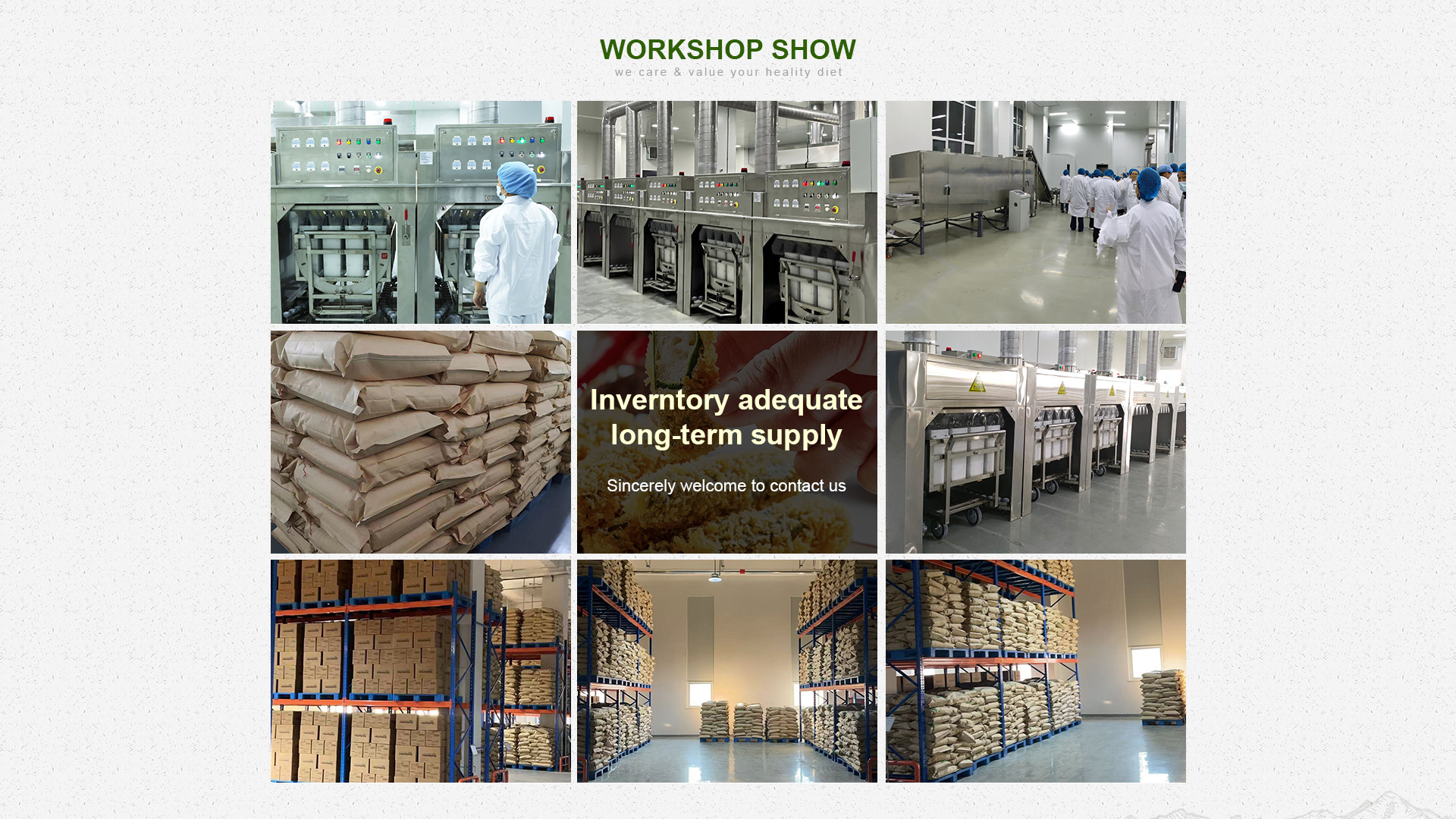
We supply dry breading systems in bulk 10kg and 25kg formats designed for continuous automated processing lines. These formulations feature minimal dust emissions and stable viscosity curves, allowing food processors to minimize operational downtime and maintain stable yield ratios.
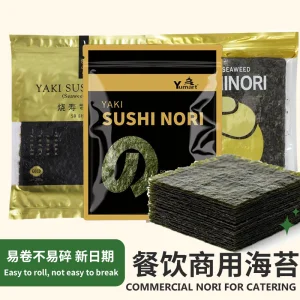
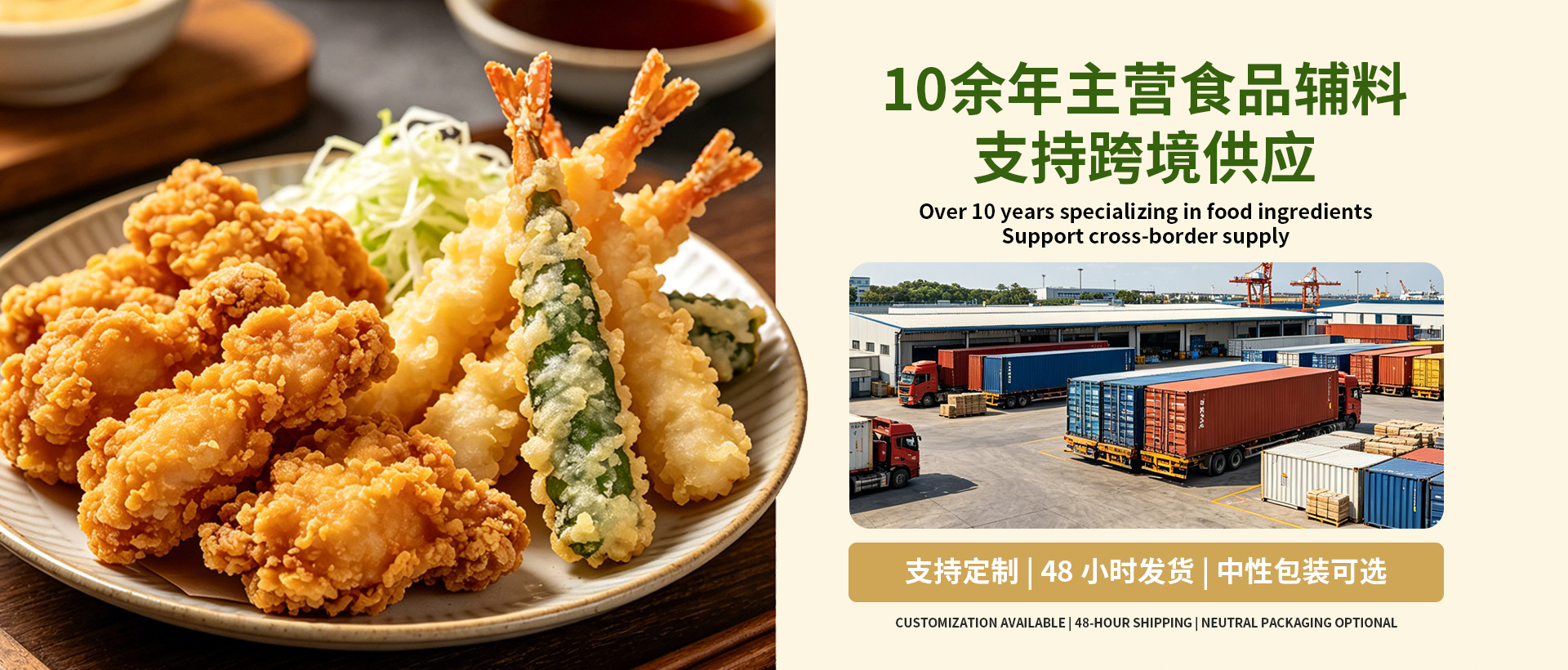
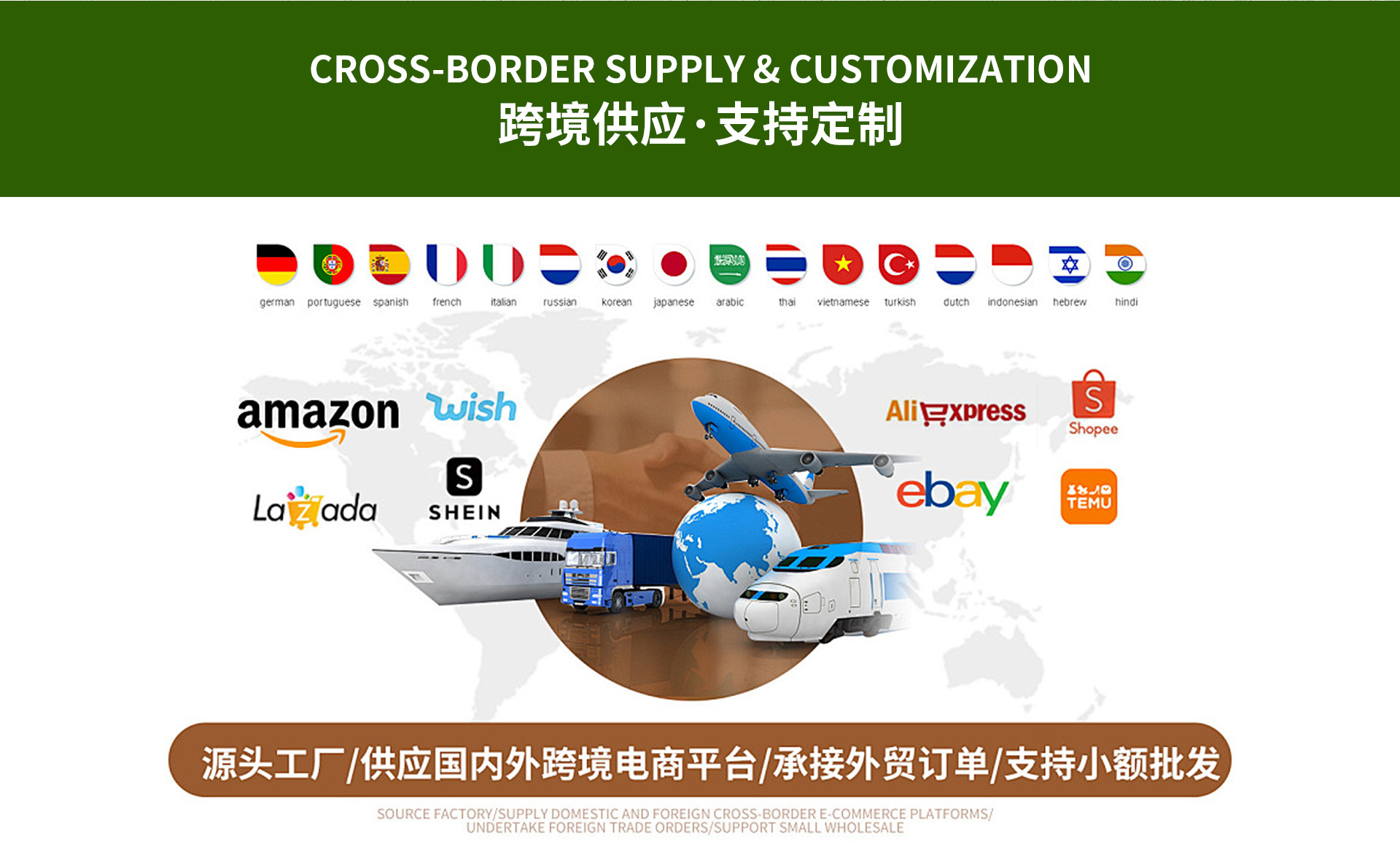
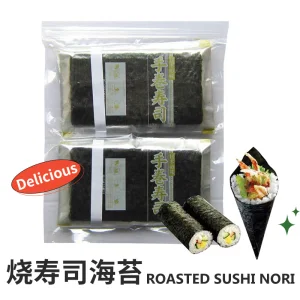
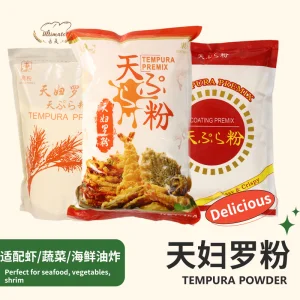
For brands and distributors targeting international online platforms, we offer customized retail packaging, multi-lingual compliance labeling, and long shelf-life stabilization. We help navigate local regulatory approvals for specialty products like commercial nori sheets and seasoned tempura powders.
Combining physical food manufacturing with automated culinary processing hardware.
To deliver a truly integrated solution for commercial kitchens, restaurant chains, and food processing plants, our capabilities extend beyond food ingredients. We coordinate closely with our parent group to align dry mix and sauce formulations with automated kitchen processing machines.
Industrial Synergy: Beijing Haining Shidai Technology Co., Ltd. is a source manufacturer focusing on commercial consumer electronics and food processing hardware. With independent production qualifications and mature foreign trade export capabilities, we maintain large stocks of high-demand food processing equipment, such as commercial noodle machines, automated ice cream makers, and tabletop kitchen processors. By combining this equipment engineering expertise with our gourmet ingredient development, we offer B2B clients a unique dual advantage: customized food ingredients (such as bulk pancake mixes, batters, and sauces) configured to work seamlessly with high-throughput commercial processing equipment. Whether you are a street vendor, a commercial food chain, or a global supermarket brand, our integrated machinery-ingredient solutions ensure reliable delivery, high performance, and unmatched quality.

Professional answers regarding OEM/ODM collaboration, formulation adjustments, logistics, and compliance.
Ensuring premium taste profiles, texture stability, and efficient cross-border distribution.
 Baking Supplies