Baking Ingredients Factories & Exporters Serving the Moscow Market

Empowering Russia's Commercial Baking and Food Processing Enterprises with Grade-A Raw Materials, Dehydrated Micro-Ingredients, and Resilient Global Supply Chains.

Executive White Paper: Navigating the Moscow Bakery & Dehydrated Ingredients Landscape

The culinary and industrial food preparation ecosystem in Moscow, Russia, is currently undergoing a massive structural shift. As regional manufacturers scale production to meet domestic demands, the import of premium functional baking ingredients, high-stability breading mixes, and grade-A dehydrated vegetables from China has emerged as a cornerstone of supply chain security. This report evaluates the current commercial dynamics, technical pathways, regulatory compliance, and factory-level solutions that define the import flow to the Central Federal District of Russia.

12,500+
Metric Tons Export Capacity
TR CU
EAC Standard Compliant
14-18 Days
Express Rail Transit to Moscow
0%
Quality Non-Conformance Rate

1. Moscow's Dehydrated Vegetables Market: Local Business & Industrial Reality

The Moscow metropolitan area, home to more than 13 million consumers, represents the largest processed food market in Eastern Europe. The local climate limits year-round cultivation of essential commercial vegetables, making the metropolis heavily reliant on imports of dried, stable ingredients. Dehydrated onion, garlic, carrots, and herbs like dill and parsley are crucial for the mass-production of instant noodles, pre-packaged soups, canned meat products, and seasoned bakery items. Moscow-based food processing plants require raw materials that can withstand automated processing without losing their sensory profile or nutritional value.

Currently, the demand for dehydrated vegetables with moisture levels below 6% is growing at a compound annual rate of 8.4%. To satisfy this, sourcing managers are turning to highly automated Chinese dehydration facilities that utilize advanced Air-Drying (AD) and Freeze-Drying (FD) technologies to supply raw materials that keep their flavor, color, and structure intact throughout extended storage and overland rail transit.

2. Technical Roadmap & Future Outlook (2025–2030)

As the food industry moves toward clean-label and minimally processed ingredients, our production lines are implementing a multi-phase technical roadmap to support Moscow's food manufacturers:

  • Advanced Freeze-Drying (FD) Technology: Operating under sub-zero vacuum conditions, our FD process preserves the cellular structure of delicate vegetables, ensuring rapid rehydration (under 60 seconds) in dry-soup and instant food formulas.
  • Microbial Control via Superheated Steam Sterilization: We use chemical-free, natural steam sterilization to reduce total plate counts (TPC) to less than 10,000 CFU/g. This meets both the strict sanitation rules of the Russian Federation and the requirements of global food safety standards.
  • Encapsulation and Barrier Technology: To prevent caking and oxidation in Moscow's varying humidity, our functional baking powders, pre-mixes, and seasoning bases use multi-layer protective packaging that extends shelf life up to 24 months.

3. Macro-Industry Solutions: Structuring B2B Ingredients Supply

Managing high-volume international ingredient shipments requires complete control from the factory floor to the final warehouse in Moscow. We offer a comprehensive B2B supply model designed specifically for major commercial accounts:

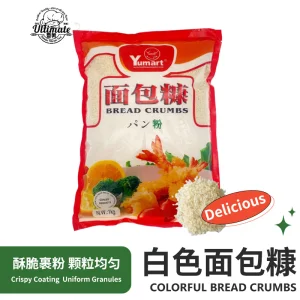
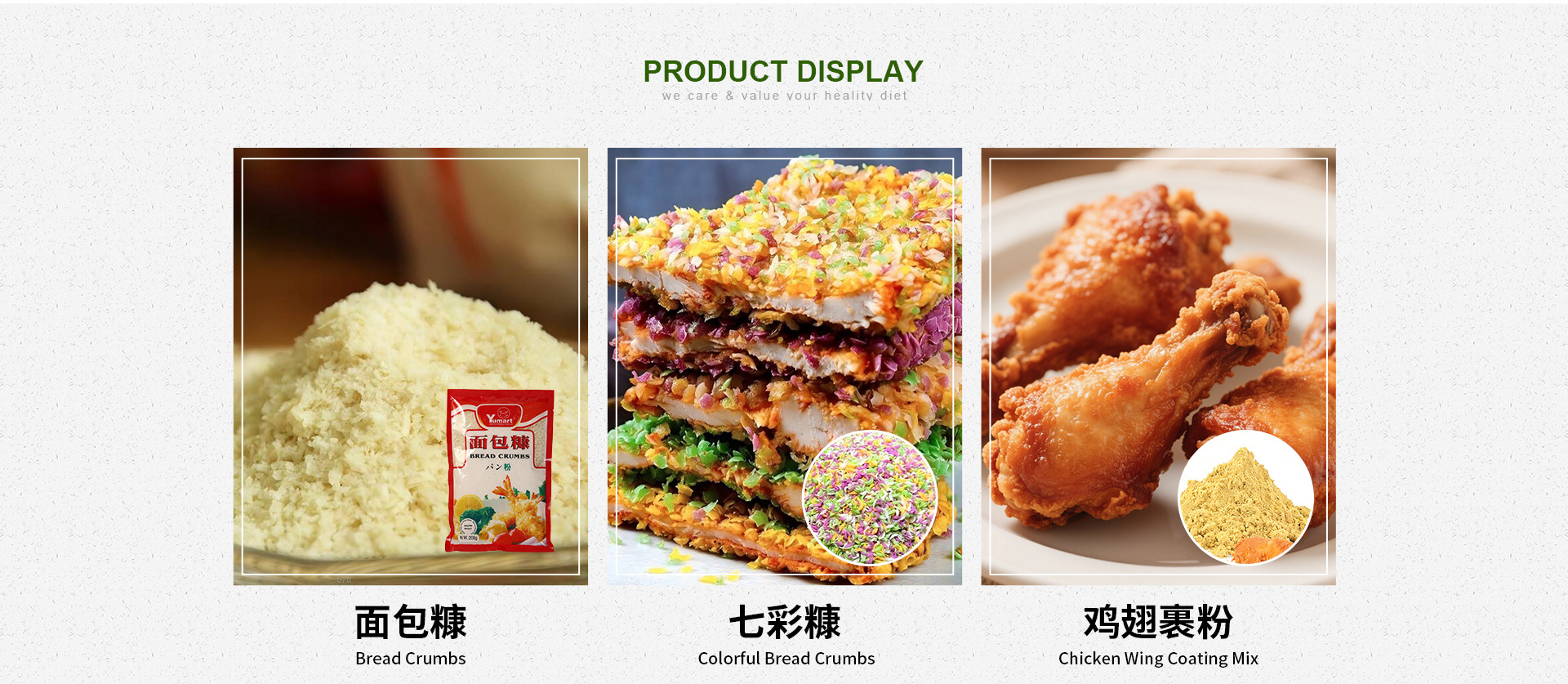
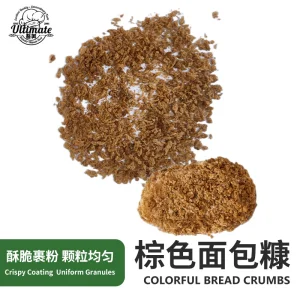
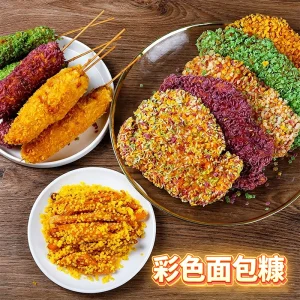
  • Custom Texture & Color Formulation: We adjust the crunch, density, and color of our panko and commercial breadcrumbs to match our clients' specific frying and baking setups.
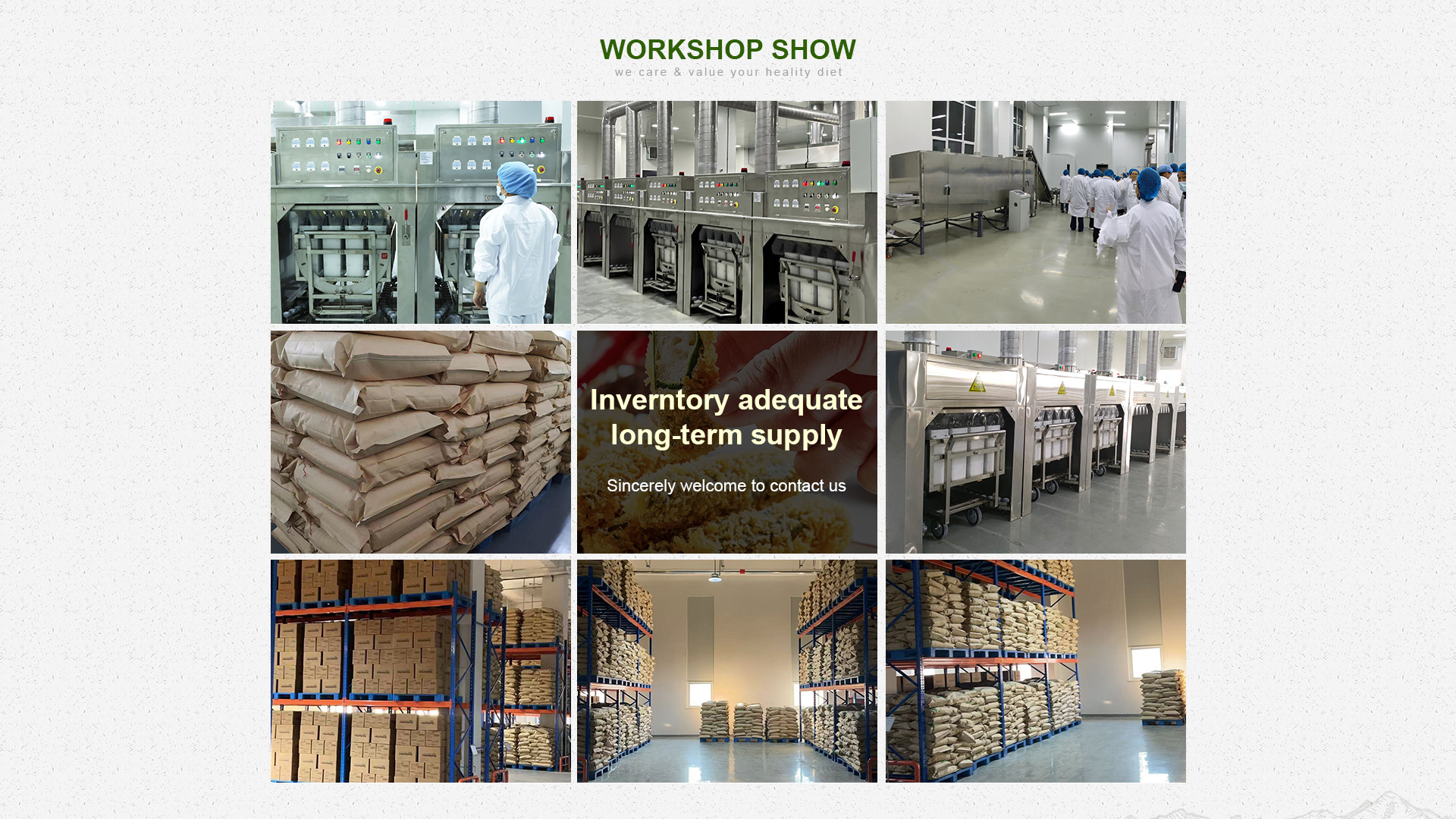
  • Optimized Packaging Configurations: We supply raw materials in heavy-duty 10kg and 25kg multi-wall paper and PE bags, packed on standardized, fumigated pallets that fit directly into automated racking systems.
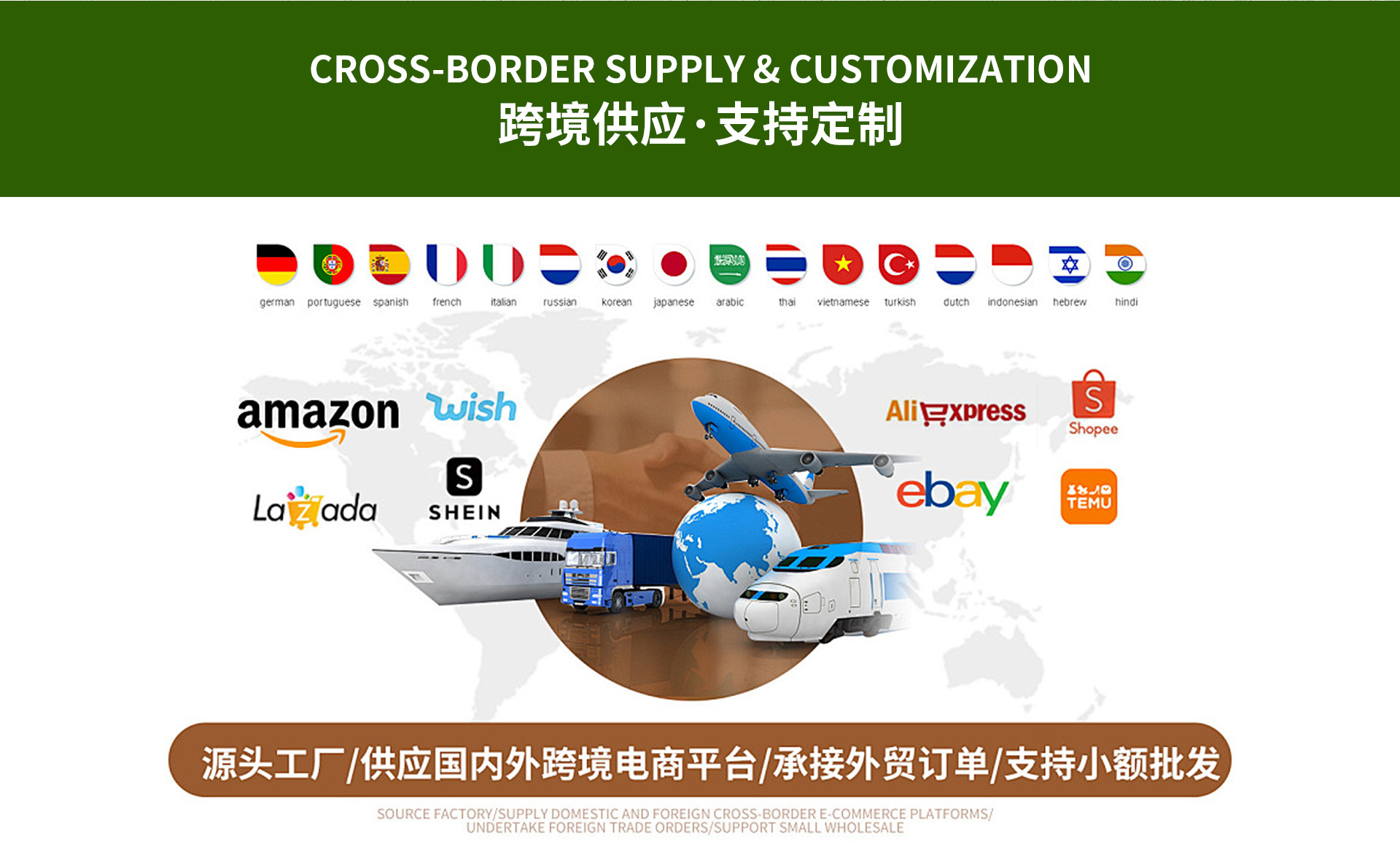
  • Direct Rail Logistics via the New Silk Road: By shipping directly from Chinese manufacturing hubs through the Manchuria/Zabaikalsk border crossing to Moscow's Vorsino or Silikatnaya terminals, we keep transit times down to a reliable 14 to 18 days, bypassing maritime delays.

4. Localization Support, EAC Certification & Russian Regulatory Compliance

For B2B buyers in Moscow, compliance with regional customs and food safety regulations is essential. All of our baking ingredients and dehydrated vegetable lines are manufactured in strict compliance with the Technical Regulations of the Customs Union (TR CU):

  1. TR CU 021/2011 "On Food Safety": Guaranteeing complete safety compliance and heavy metal/pesticide residue levels well below standard limits.
  2. TR CU 022/2011 "Food Products in terms of their Labeling": We provide fully localized, Russian-language packaging and data labels showing all ingredients, nutritional profiles, barcodes, and EAC symbols.
  3. TR CU 029/2012 "Safety Requirements for Food Additives": Ensuring all functional elements, raising agents, and emulsifiers used are fully approved for the Eurasian Economic Union (EAEU).
  4. Phytosanitary Certification: Every cargo shipment of dehydrated vegetables or grain-based ingredients includes official phytosanitary and veterinary certificates to guarantee smooth customs clearance.

5. China Factory 4.0: Supply Chain Resilience & Manufacturing Prowess

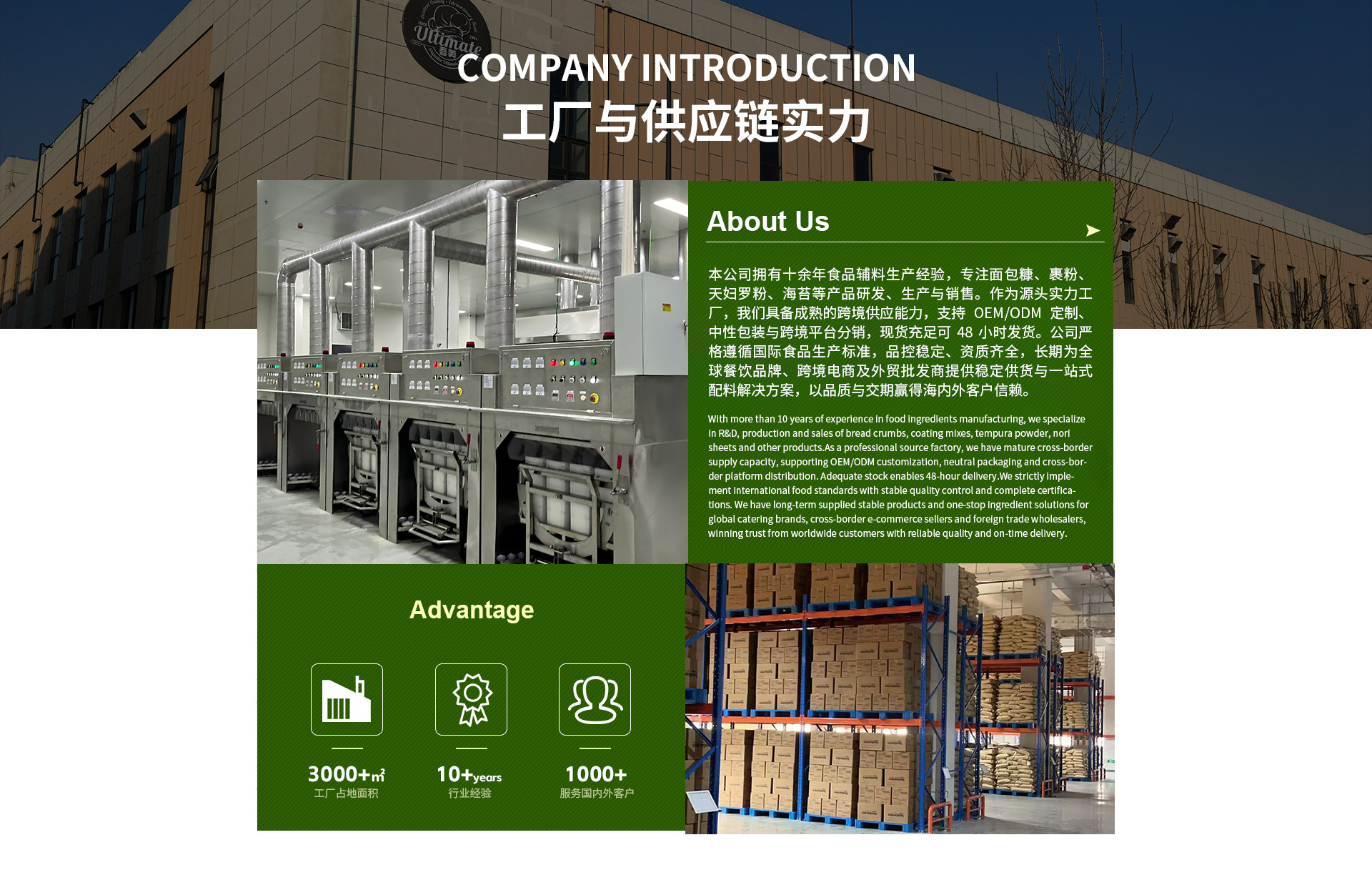
Our modern manufacturing facility utilizes smart factory technology to deliver consistent quality and highly competitive pricing for the Russian market. Real-time temperature and moisture sensors ensure every batch of panko breadcrumbs and dried vegetables meets our rigorous technical specifications.

By automating the packing and sorting processes, we maintain an exceptionally clean production environment, reduce manual handling, and keep our prices stable despite changing global market conditions. With a daily capacity exceeding 150 metric tons, we can comfortably handle large seasonal orders from Moscow's largest food brands and distributors.

6. Strategic Sourcing Checklist for Global Procurement Managers

When sourcing bulk ingredients for the Russian market, procurement teams should evaluate suppliers against key performance indicators (KPIs):

  • Microbiological Stability: Confirm that the supplier uses steam or radiation sterilization to ensure the raw materials meet local health and safety standards.
  • Packaging Integrity: Ensure moisture-barrier lining is used to prevent the ingredients from absorbing water during transit and storage.
  • Customs Experience: Choose partners who have a proven track record of handling EAEU customs processes, helping to prevent costly shipping delays.

Original Factory Profile & Manufacturing Capacity

北京海宁时代科技有限公司是专注消费电子领域的源头生产厂家,拥有自主生产资质与成熟外贸出口能力。店铺常年备有面条机、冰淇淋机等主力产品的大批量现货,支持快速响应与稳定交付;同时提供OEM/ODM加工定制服务,满足跨境客户、企业自用及个性化需求。依托扎实的制造实力与高效供应链,我们已服务众多国内外B端客户,品质与履约能力值得信赖。
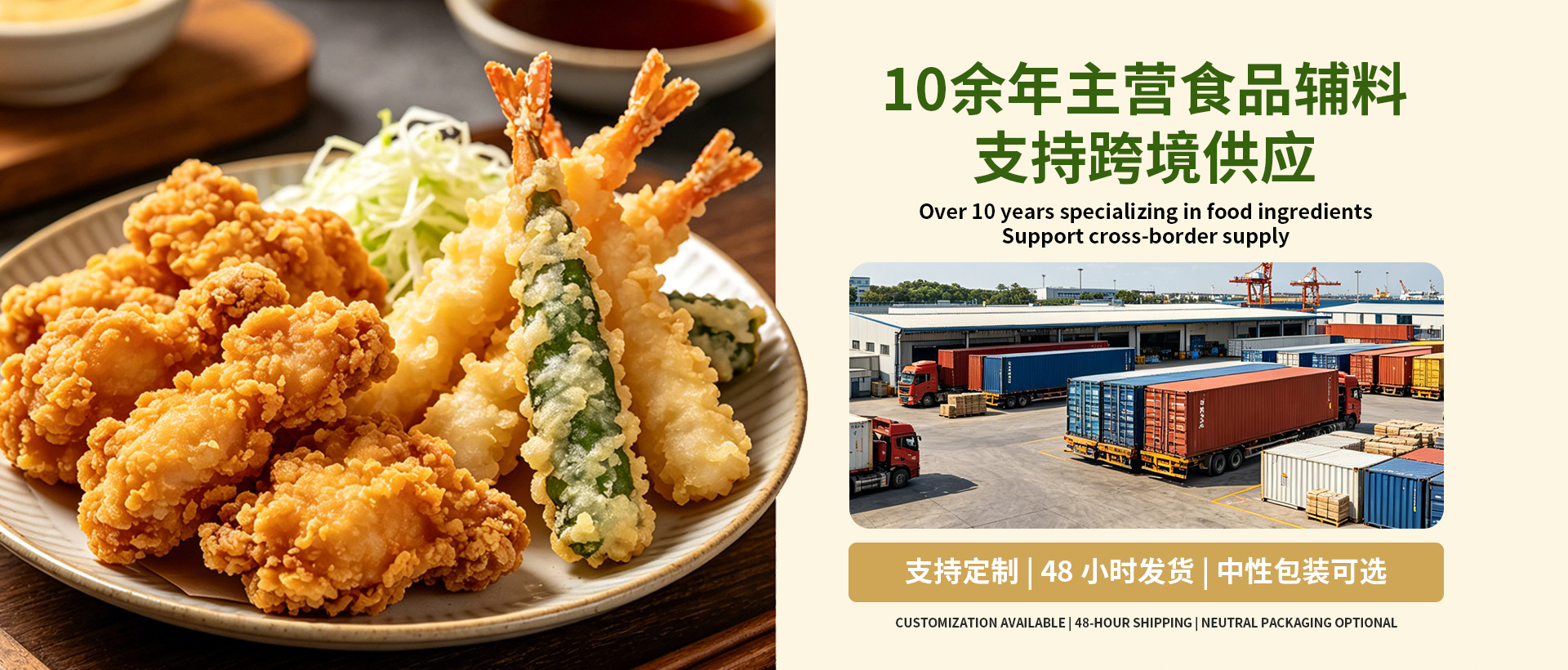

Product Catalog

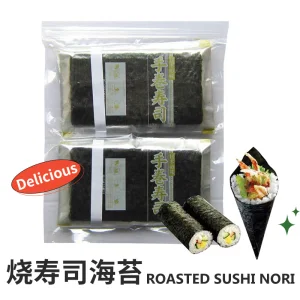
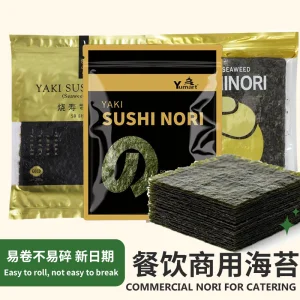
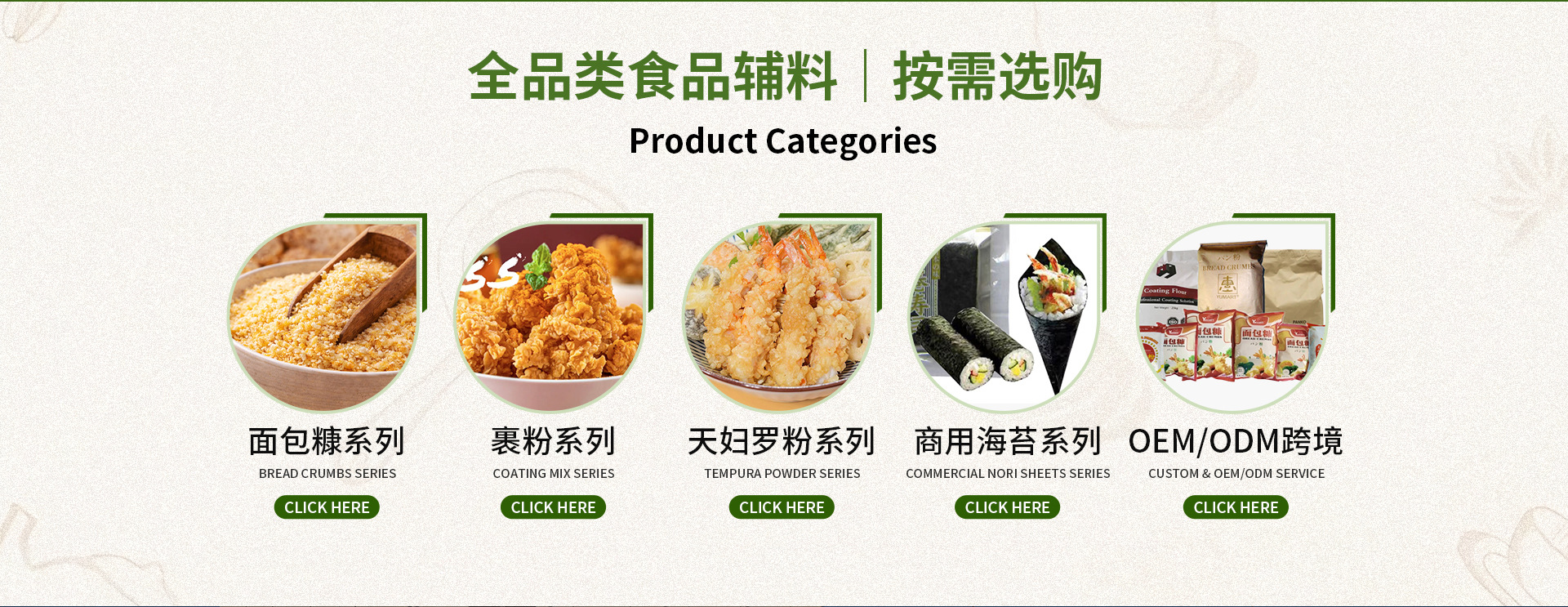
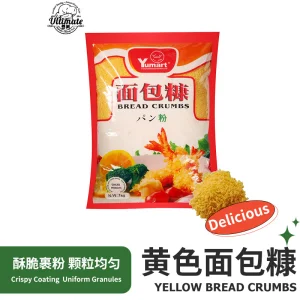
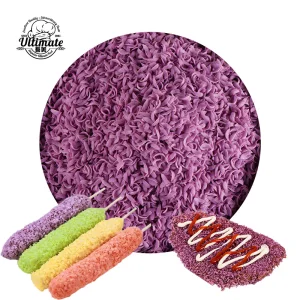
Commercial Bakery & Coating Line Ingredients

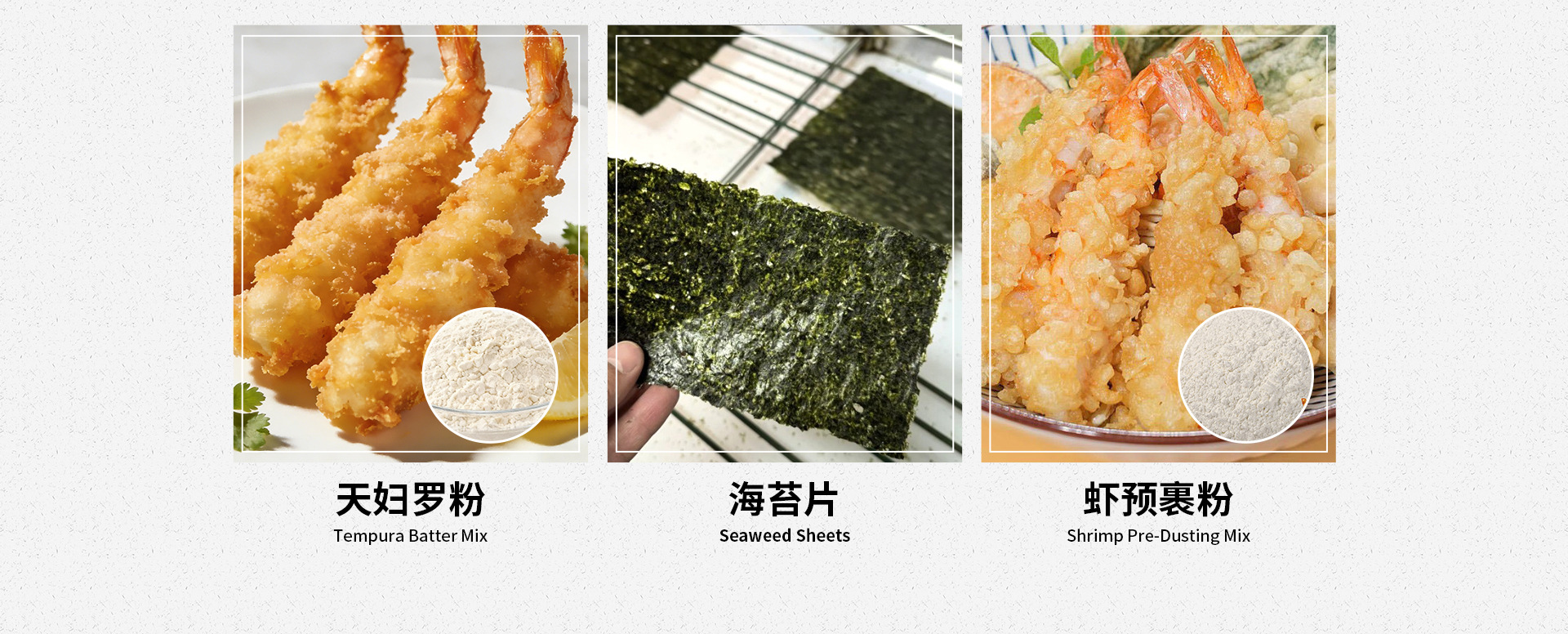
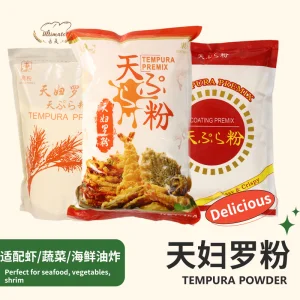
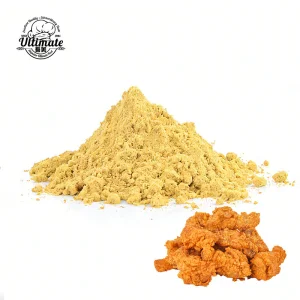
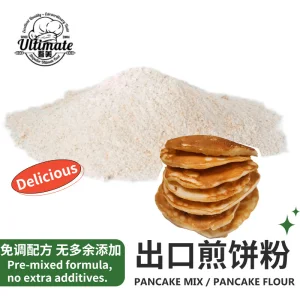
Optimized dry-milled breadcrumbs, tempura batters, and pancake premixes for commercial food manufacturers in Moscow.
Frequently Asked Questions (FAQ)

Providing clear and accurate technical details to help Moscow's B2B food manufacturers make informed purchasing decisions.

Do your baking and coating products comply with EAEU / TR CU regulatory standards?
Yes, all our ingredients exported to Moscow are fully certified under the Eurasian Economic Union (EAEU) technical regulations, including TR CU 021/2011 (Food Safety), TR CU 022/2011 (Labeling), and TR CU 029/2012 (Food Additives).
What is the typical shipping lead time from your factory to central Moscow warehouses?
Using cross-border container rail lines via Zabaikalsk, transit from our factory to the primary Moscow terminals (such as Vorsino) typically takes 14 to 18 days.
Can we request custom grain sizes for panko breadcrumbs and vegetable granules?
Yes. Our milling and slicing machines can be adjusted to produce specific grain sizes (from fine powder to large flakes) to meet the exact requirements of your processing machinery.
What moisture-barrier packaging standards do you use for bulk orders?
We pack our bulk shipments in multi-layer Kraft paper bags with an inner PE moisture barrier. This prevents moisture ingress and clumping during transit and storage in cold climates.
How do you ensure consistent quality across large-volume orders?
Our ISO-certified manufacturing facility uses automated color-sorting and moisture monitoring at every stage of production. Every export container undergoes thorough quality control and is shipped with a detailed Certificate of Analysis (COA).