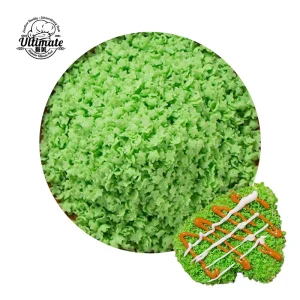
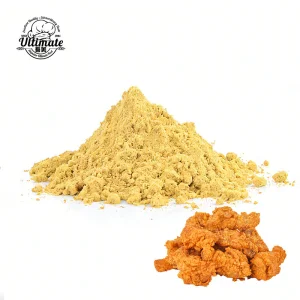
High-performance commercial coatings designed to maintain texture, crispiness, and moisture retention in large-scale food manufacturing lines.
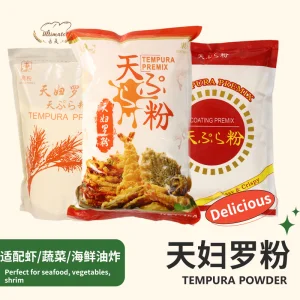
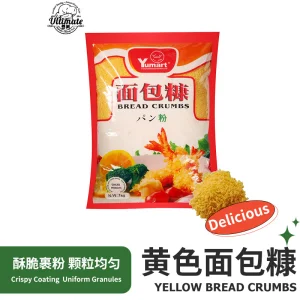
The food processing sector in Serbia stands as one of the country's most vital economic engines, acting as a gateway between the European Union, the Western Balkans, and Eastern European markets. Blessed with rich agricultural plains in regions like Vojvodina, Serbia historically exports substantial quantities of raw grains, sunflower seeds, and sugar beets. However, the modern industrial focus has shifted towards value-added food processing. Industrial bakery units, frozen meat processing plants, and QSR (Quick Service Restaurant) supply chains are scaling up operations to meet both local demands and demanding EU export standards.
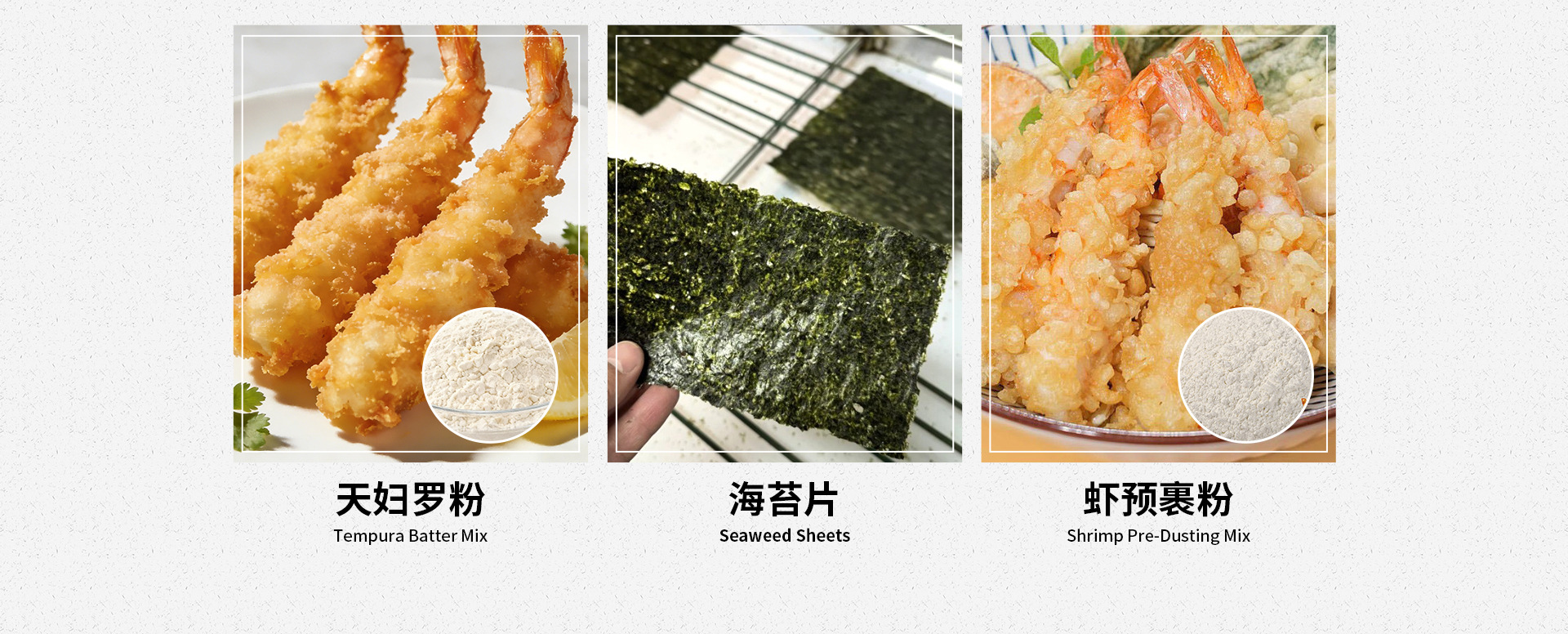
This transition requires high-performance, functional food ingredients. In the realm of industrial breading, coating, and pre-mixes, Serbian manufacturers face a growing imperative to secure raw materials that ensure production efficiency, cost control, and sensory perfection. The demand for specialized panko breadcrumbs, tempura batters, and multi-functional flour pre-mixes in Serbia is fueled by the expansion of convenient foods, frozen ready-to-fry convenience lines, and premium poultry processing.
On a global scale, the food ingredients market has navigated severe supply chain volatility, fluctuating grain pricing, and rising energy costs. European buyers, particularly in mid-sized manufacturing hubs like Belgrade, Novi Sad, and Niš, are re-evaluating their dependency on single-source local suppliers. A resilient procurement strategy demands integration with global manufacturing giants who leverage massive scale, direct grain sourcing, and automated processing lines to buffer cost shocks.
By importing high-grade functional flours, specialized breadcrumbs, and pre-dusts from large-scale manufacturers, Serbian food processors benefit from uniform crumb structure, consistent moisture absorption levels, and thermal stability in industrial fryers. This reduces waste on the assembly line, ensures a longer shelf-life for frozen breaded products, and guarantees the exact golden crunch that consumers demand.
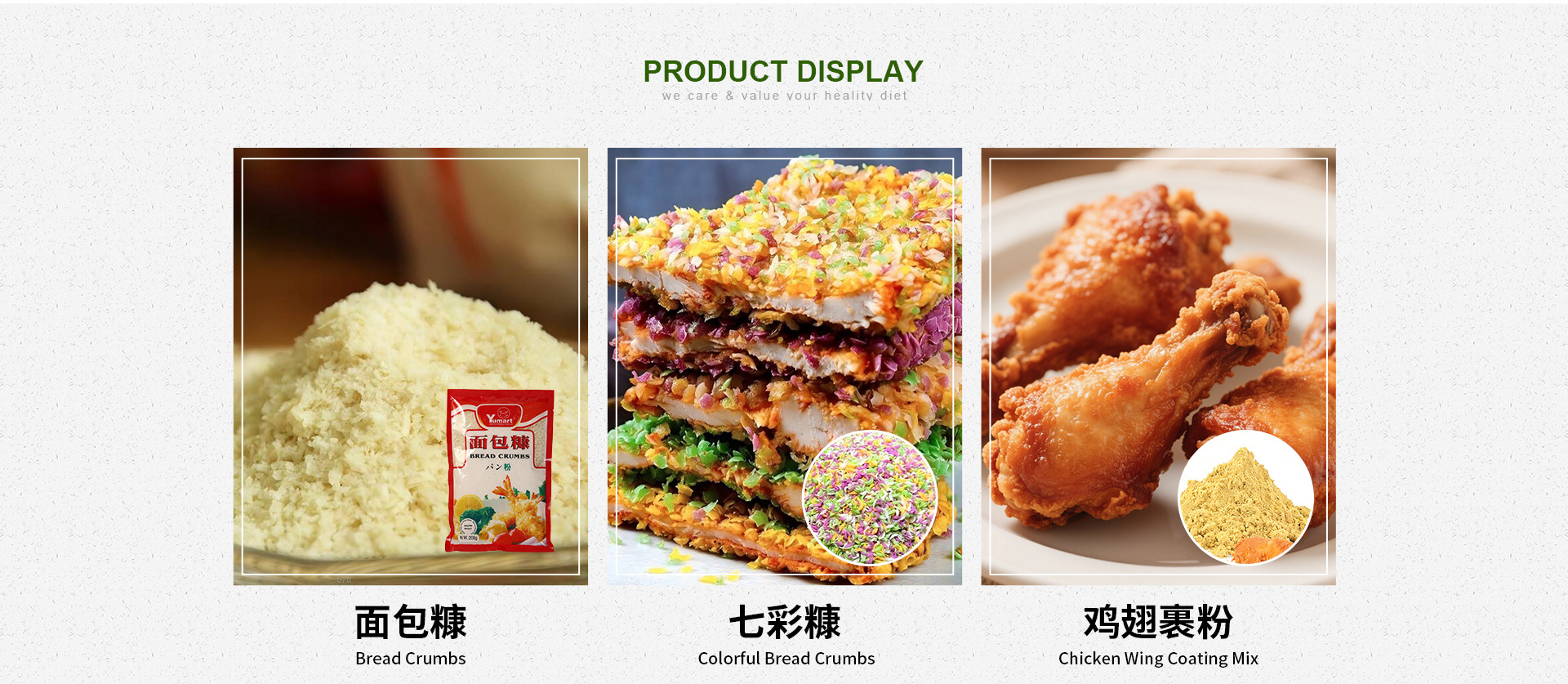
China's food industrial sector has undergone a massive modernization wave, deploying state-of-the-art extrusion, milling, and baking technologies. This enables the production of ingredients with highly specialized physical properties—such as crescent-shaped, star-shaped, and low-density snowflake breadcrumbs—at a cost structure that European regional manufacturers cannot match.
北京海宁时代科技有限公司是专注消费电子领域的源头生产厂家,拥有自主生产资质与成熟外贸出口能力。店铺常年备有面条机、冰淇淋机等主力产品的大批量现货,支持快速响应与稳定交付;同时提供OEM/ODM加工定制服务,满足跨境客户、企业自用及个性化需求。依托扎实的制造实力与高效供应链,我们已服务众多国内外B端客户,品质与履约能力值得信赖。
(Translation: Beijing Haining Times Technology Co., Ltd. is an original source manufacturer focusing on consumer electronics and food service machinery, possessing autonomous manufacturing qualifications and mature export capabilities. We maintain bulk stock of major items like pasta makers and commercial ice cream machines for rapid response and stable delivery, while providing OEM/ODM customization services. Supported by solid manufacturing capacity and a robust supply chain, we serve diverse global B2B clients with trusted quality and fulfillment.)

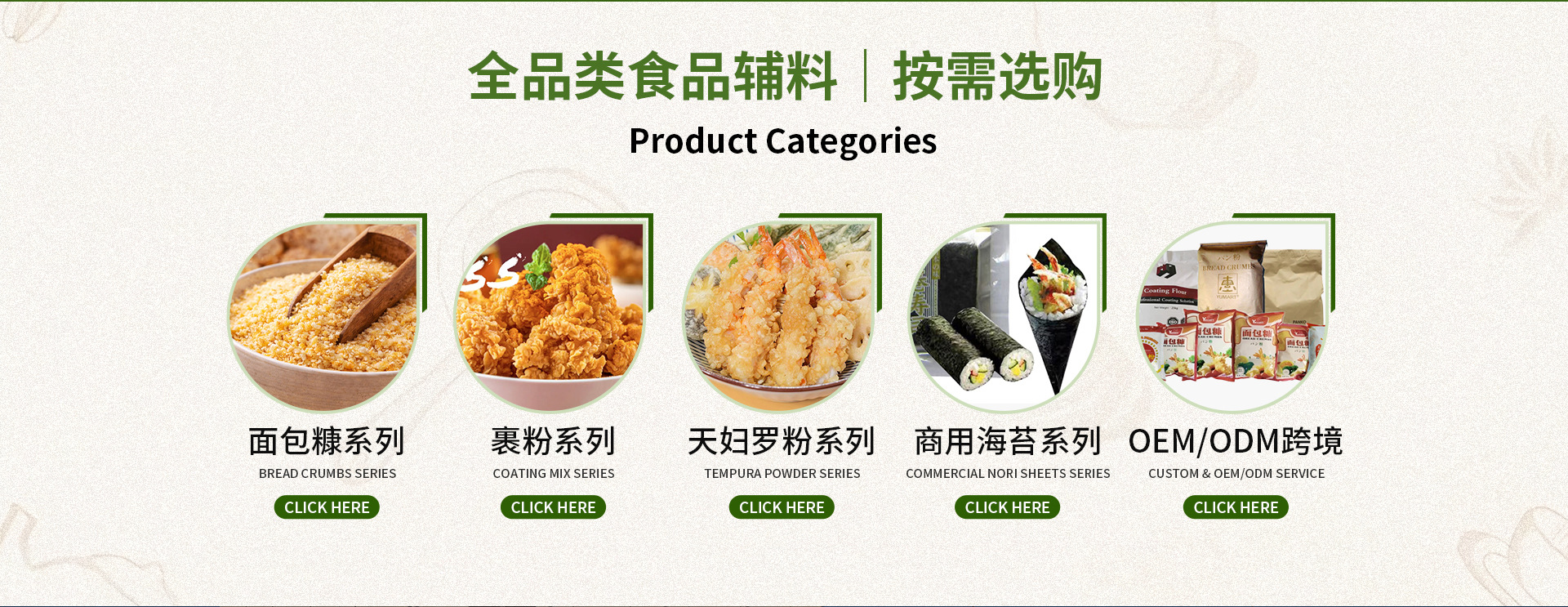
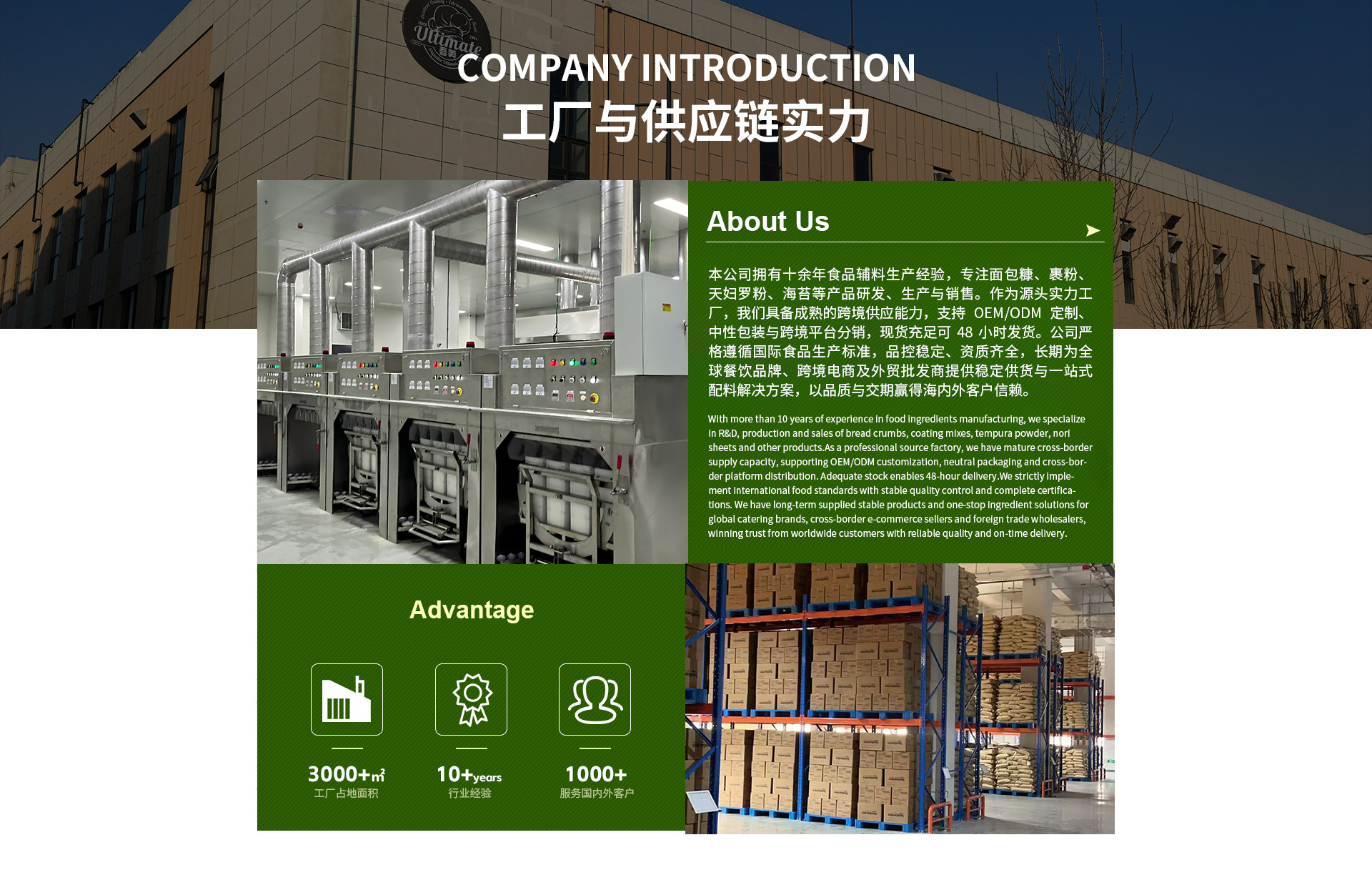
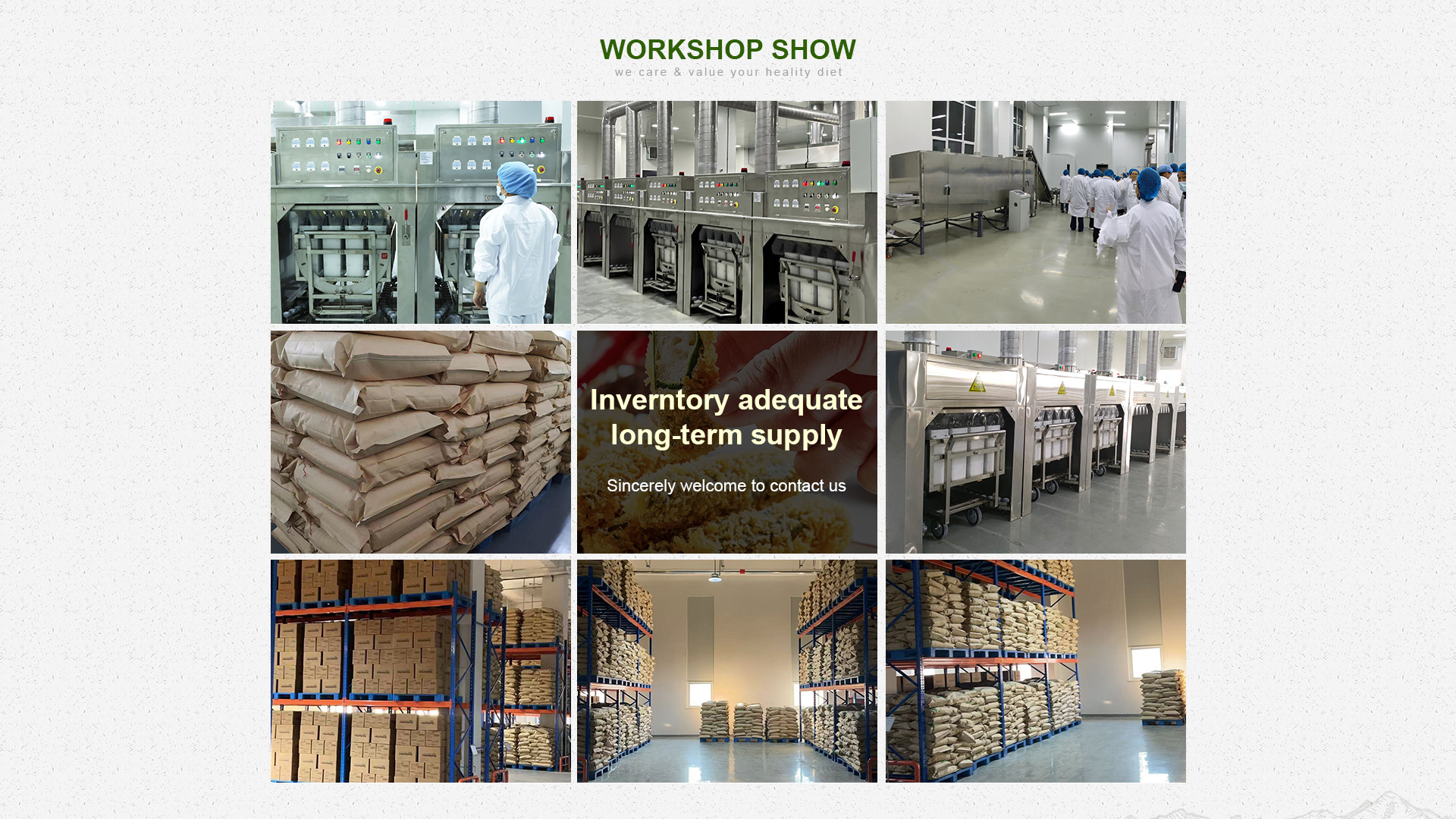
By bridging advanced food machinery engineering with specialized food ingredient processing, we provide a unified workflow solution. Our manufacturing setup utilizes automated continuous baking and drying ovens, precision sizing mill systems, and clean-room packaging infrastructure. For Serbian partners, this translates to high-volume stability, tailored moisture specifications (crucial for long marine transit), and reliable microbiology profiles.
To gain market shares in the Balkans, raw materials must adapt to traditional regional delicacies as well as contemporary fast-food applications:
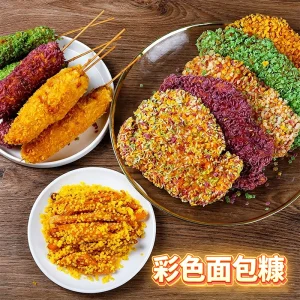
The Serbian market is rapidly aligning with broader European trends towards clean-label and health-conscious food products. Consumers want transparency in raw materials. This shift is driving demand for natural fruit and vegetable colored breadcrumbs that avoid synthetic dyes while maintaining a vibrant plate presentation. In response, our R&D departments have developed clean-label, natural-color coatings utilizing real vegetable powders (such as purple sweet potato, pumpkin, and spinach) that retain their visual appeal through the thermal stresses of commercial baking and frying.
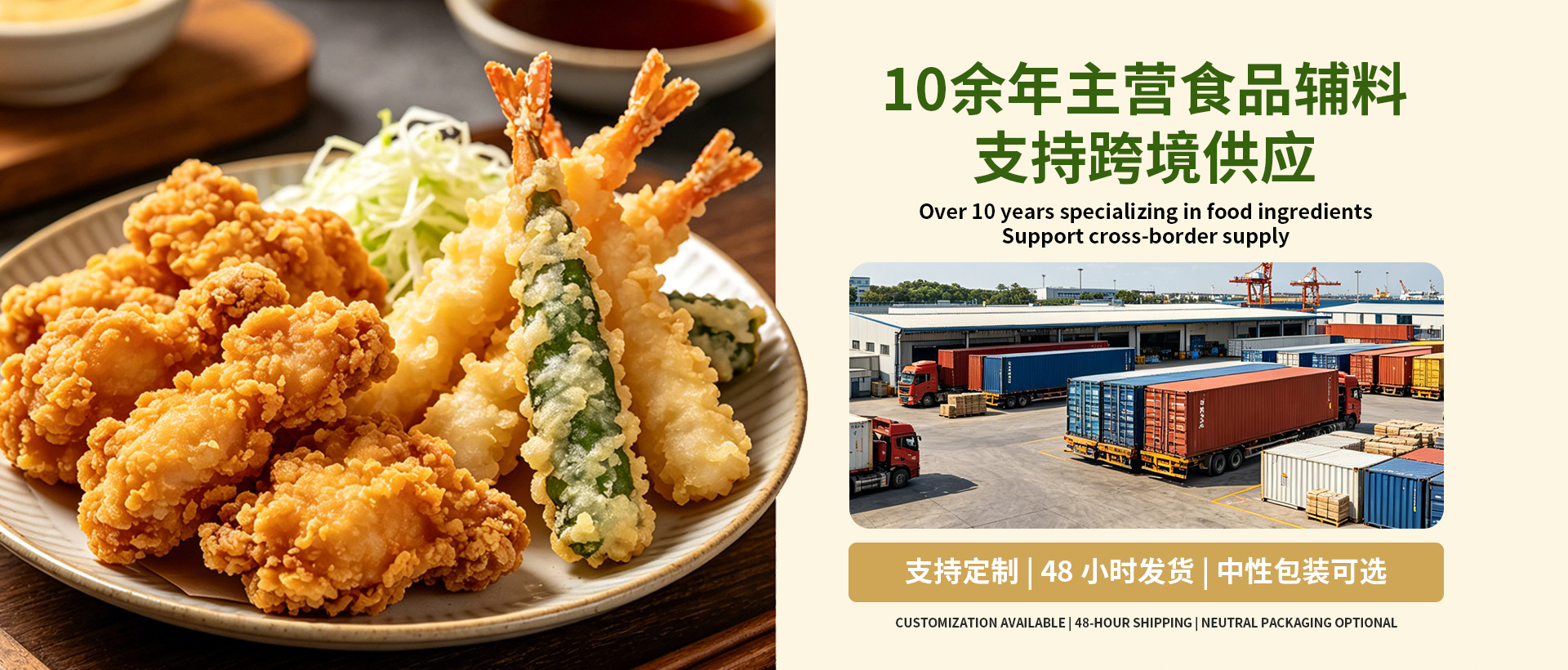
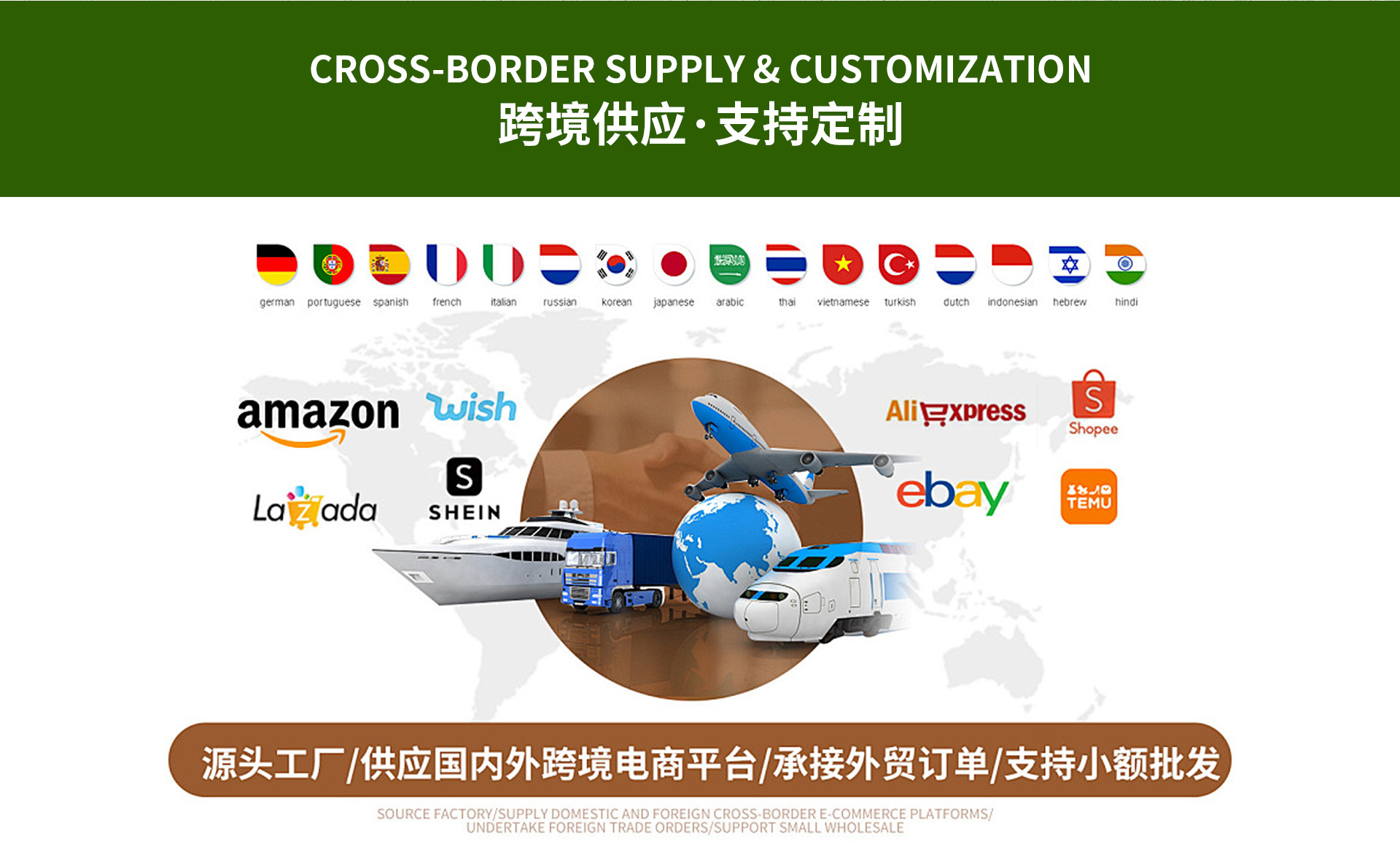
Direct factory-to-port logistics offering customizable packaging, long shelf-life stabilization, and continuous quality assurance audits.
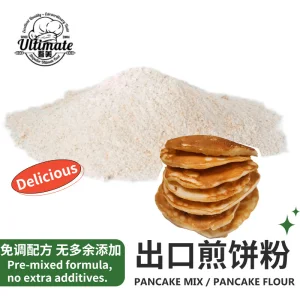
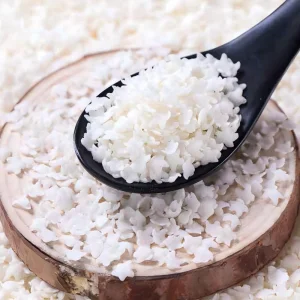
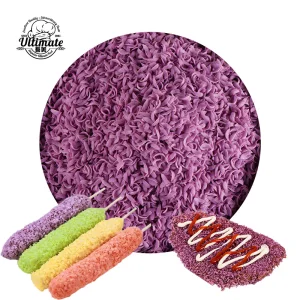
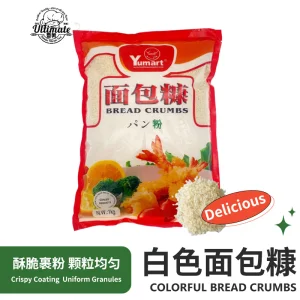
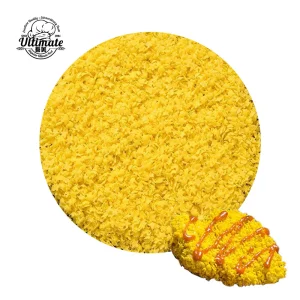
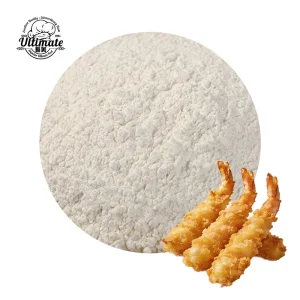
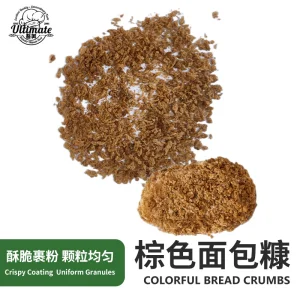
For major shipments to Serbia, cargo is dispatched from leading Chinese ports (such as Qingdao or Shanghai) directly to major European transit hubs. The typical shipping route is via sea freight to the port of Rijeka (Croatia), Koper (Slovenia), or Thessaloniki (Greece), followed by rail or truck logistics directly into Belgrade or Novi Sad. Standard transit times hover around 35 to 45 days. Rapid customs processing is supported by our comprehensive documentation suite, including Bill of Lading, Certificate of Analysis, Phytosanitary Certificates, and Packing Lists.
Yes. Our state-of-the-art food chemistry laboratories specialize in tailoring physical properties (oil absorption rate, crumb mesh size, moisture content, crispiness duration, and heat tolerance) to match regional meat and plant-based processing profiles. Whether you are producing traditional Karađorđeva šnicla or developing localized frozen snacks, our engineering team will optimize a coating system that excels on your processing line.
Our manufacturing facilities operate under strict compliance with internationally recognized management systems. We maintain active certifications for HACCP, ISO 22000, and meet the high-security expectations of IFS and BRC food safety regulations. Quality control teams run microbiological assays, moisture retention verification, and heavy metal testing on every production batch to ensure absolute safety compliance for the Serbian and European Union markets.
For standard commercial flour pre-mixes, batters, and breadcrumbs, our minimum order quantity is typically a 20-foot full container load (FCL) to optimize ocean freight cost-efficiency. However, for initial trial phases and regional distributors exploring the Serbian market, we can offer consolidated LCL (Less than Container Load) shipping options for multiple product categories.
Long-distance ocean freight exposes food products to variable humidity and temperature fluctuations. To combat this, we dry our breadcrumbs to a precise moisture level (typically below 8-10%) and utilize multi-layer Kraft paper and high-barrier plastic inner liners. This packaging protects the structural integrity of the crumb and ensures a stable shelf-life of 12 months under cool, dry storage conditions.
 Baking Supplies