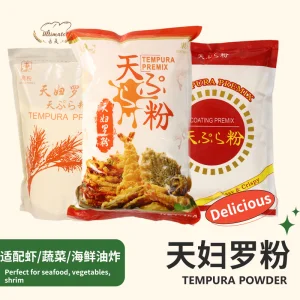
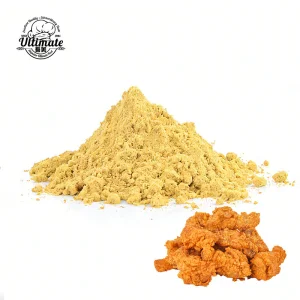
Featured commercial-grade items engineered for reliability, crunchy texture, and authentic international flavors.
The industrial baking and food processing sectors in the United States represent one of the most mature, regulated, and demanding ingredient markets globally. Driven by the expansion of quick-service restaurant (QSR) chains, pre-packaged snack consumption, and standardizations in high-volume commercial baking, food processors require ingredients that guarantee structural stability, high shelf-life, and organoleptic consistency.
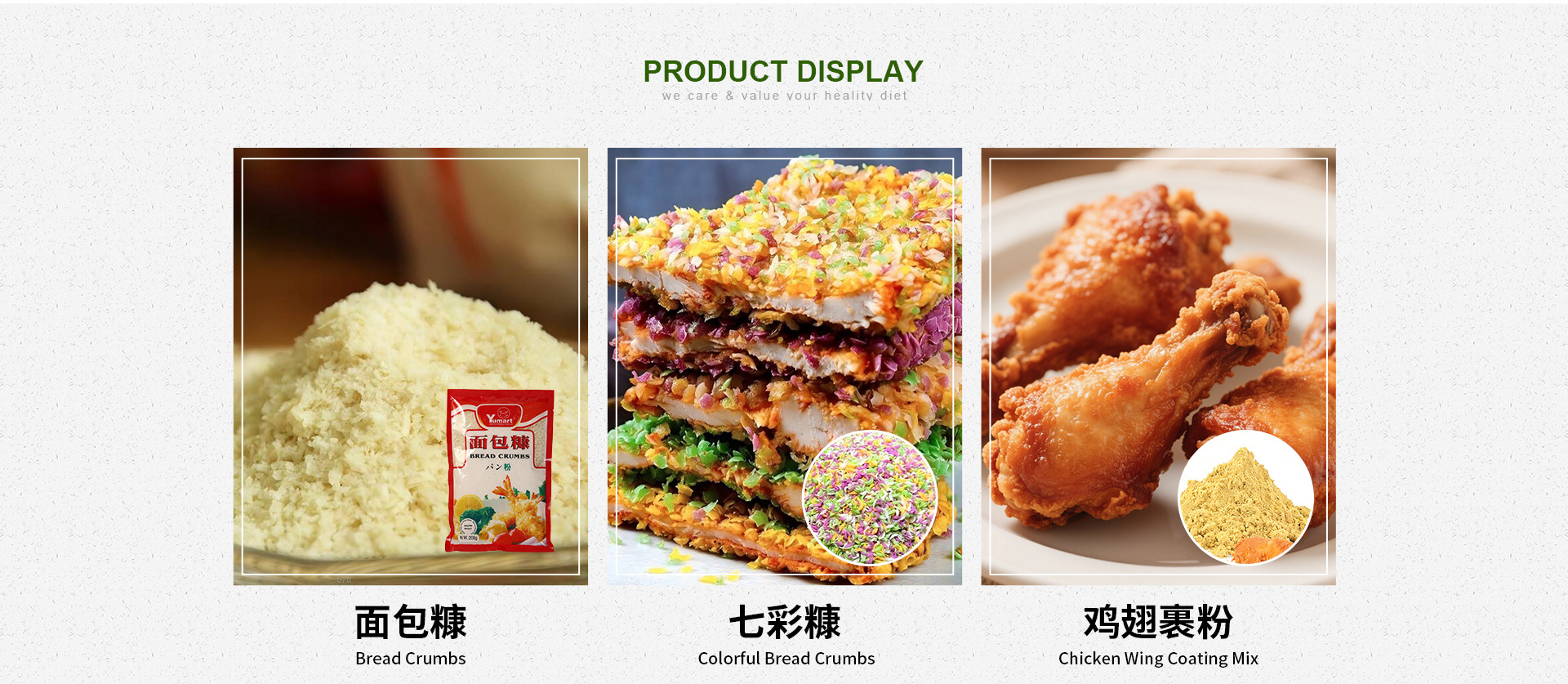
Particularly in breading formulations and industrial pre-mixes, US buyers are transitioning toward premium non-GMO starches and specific structural breadcrumbs like Japanese Panko to satisfy demanding consumers. Maintaining a consistent supply chain of high-performance texture agents requires manufacturing partnerships that understand the intricacies of starch gelatinization, moisture retention, and grain processing technology.
Analyzing key industrial market trends, supply chain integrations, and regional agricultural advantages.
Dehydrated vegetables represent a critical sub-segment within modern commercial baking, instant meal prep, and industrial seasoning blending. By removing moisture to optimal levels (generally under 5-8%), manufacturers drastically increase shelf-life while preserving the nutritional profile and natural colorations of the source crop. This processing technology is essential for color-rich Panko breadcrumbs, dry soup bases, and seasoning packs utilized by food-service providers across the USA.
Globally, the demand for dehydrated vegetables (such as dried garlic, onions, carrots, chives, and bell peppers) has spiked due to the rapid growth of convenience food manufacturing. North American buyers seek sourcing channels that bypass the volatility of local harvests by partnering with global processing leaders that command state-of-the-art dehydration facilities.
| Ingredient Category | Key Industrial Applications | US Market Requirements | Dehydration Method | Critical Quality Indicator |
|---|---|---|---|---|
| Dehydrated Onion & Garlic | Seasoning blends, breading coatings, dry batters | Low micro-count, zero sulfite additives | AD (Air Dried) / Belt Dryer | Moisture < 6%, flavor pungency retention |
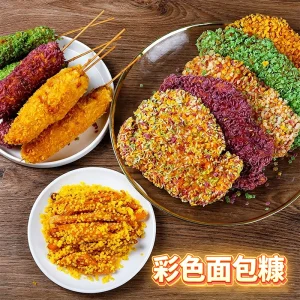
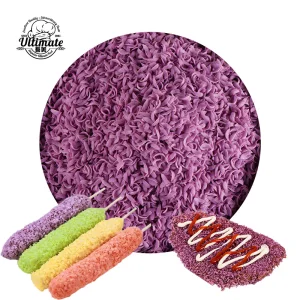
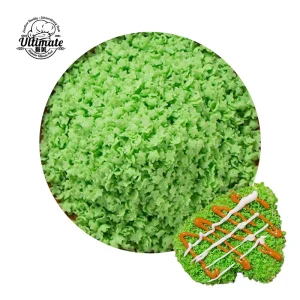
| Vegetable Coloring Powders | Fruit and vegetable colored breadcrumbs | 100% natural, non-GMO, clean label | Spray Drying / Freeze Drying (FD) | Color stability under thermal processing |
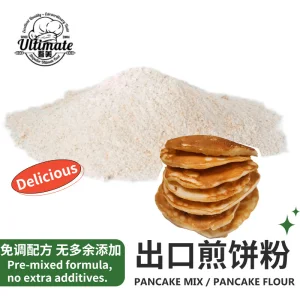
| Dehydrated Green Herbs | Savory pancake mixes, bakery garnishes | Bright green visual aspect, foreign matter control | FD / Low-temp AD | Bulk density, zero heavy metals |
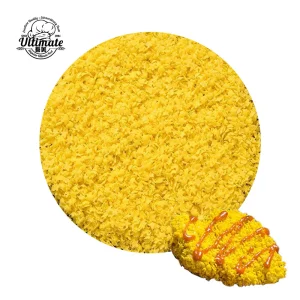
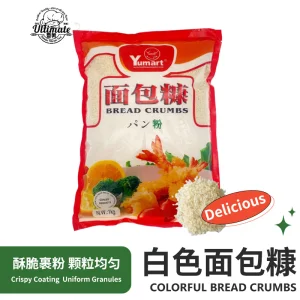
| Panko Breading Flakes | Fried poultry, seafood, frozen appetizers | Uniform crumb size, low oil absorption | Electrode baking & customized milling | Crispiness duration post-fry (holding time) |
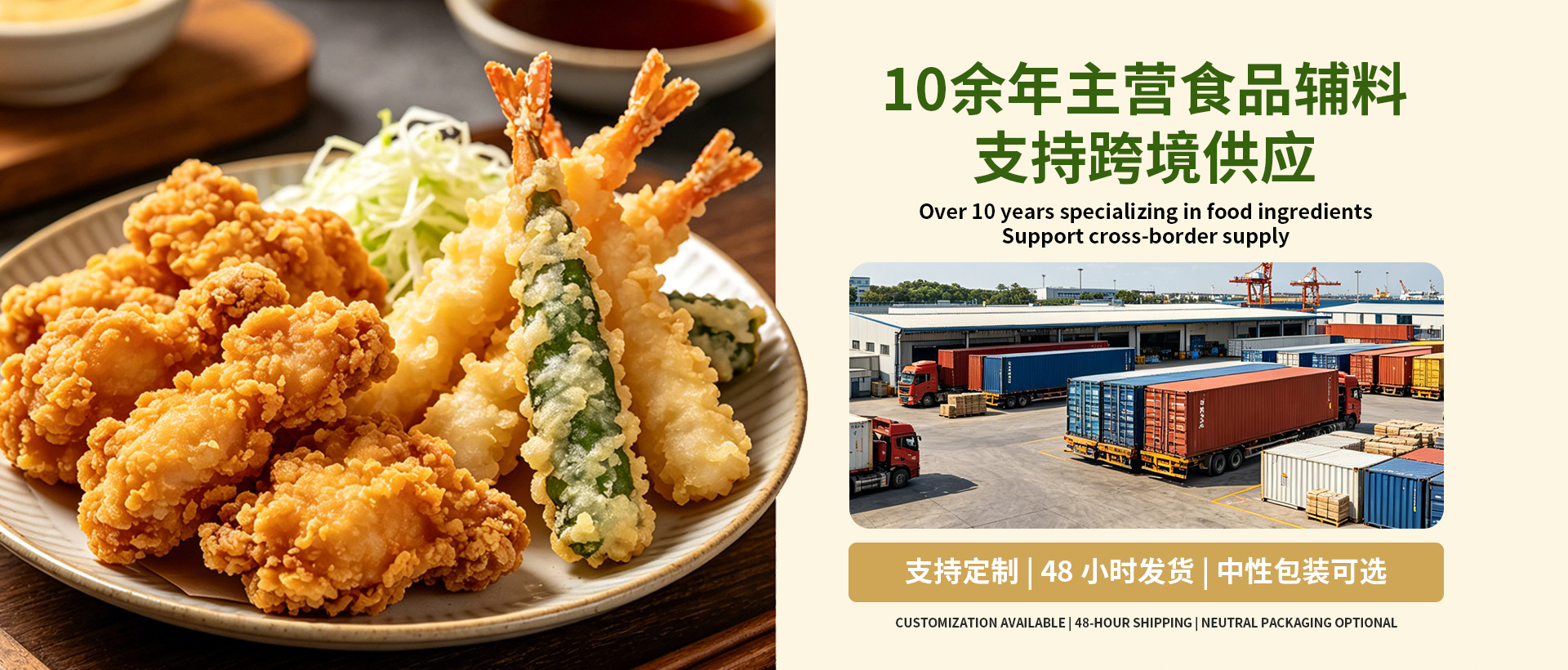
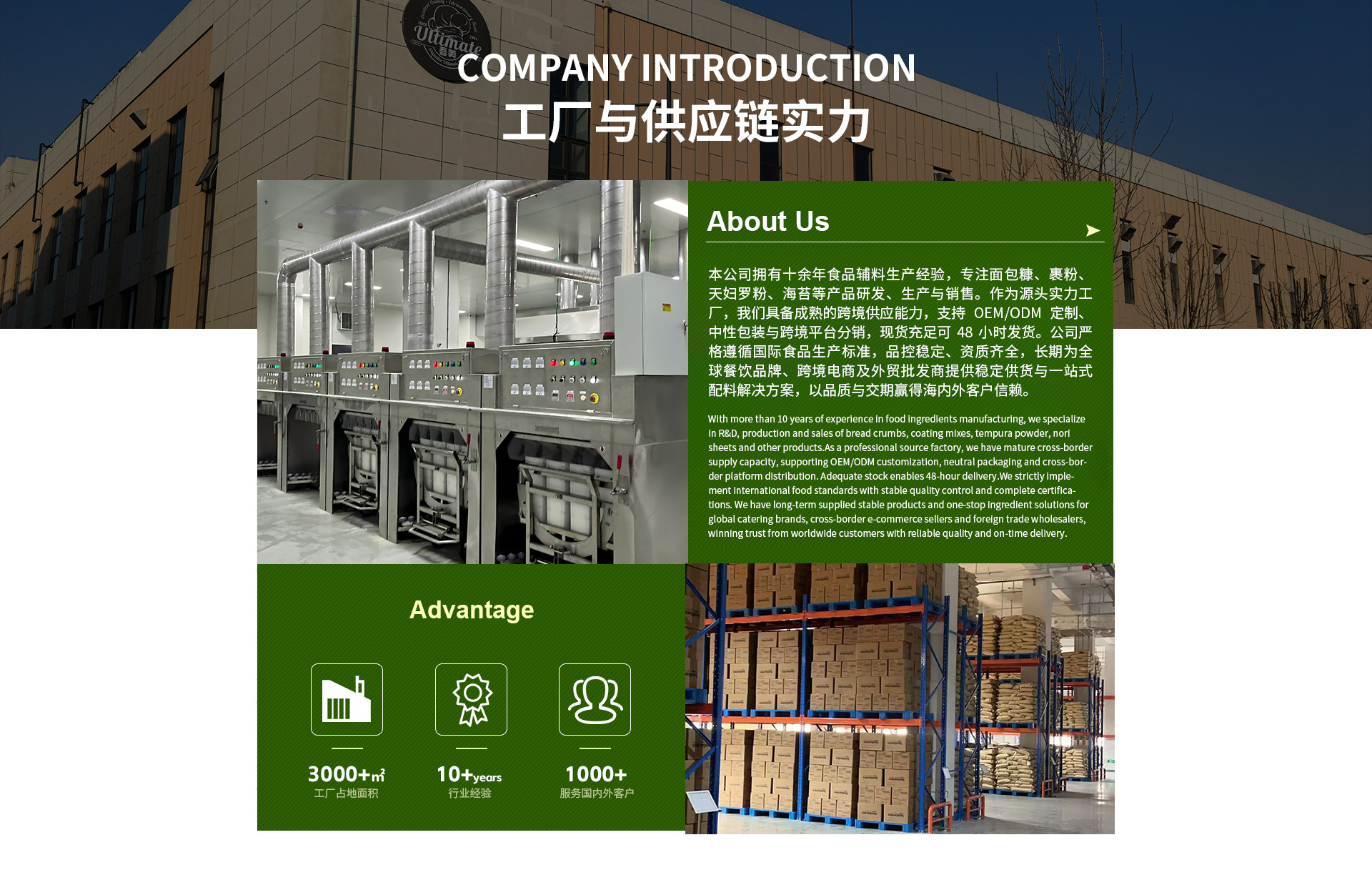
Chinese manufacturing facilities have redefined food processing throughput by combining raw ingredient access, highly integrated production clusters, and automated food technology. Compared to domestic Western options, Chinese exporters leverage massive economies of scale and highly automated processing lines to deliver highly competitive cost-per-kilogram structures, even when shipping and logistics costs are factored in.
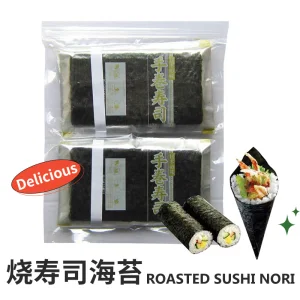
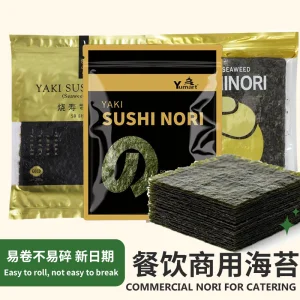
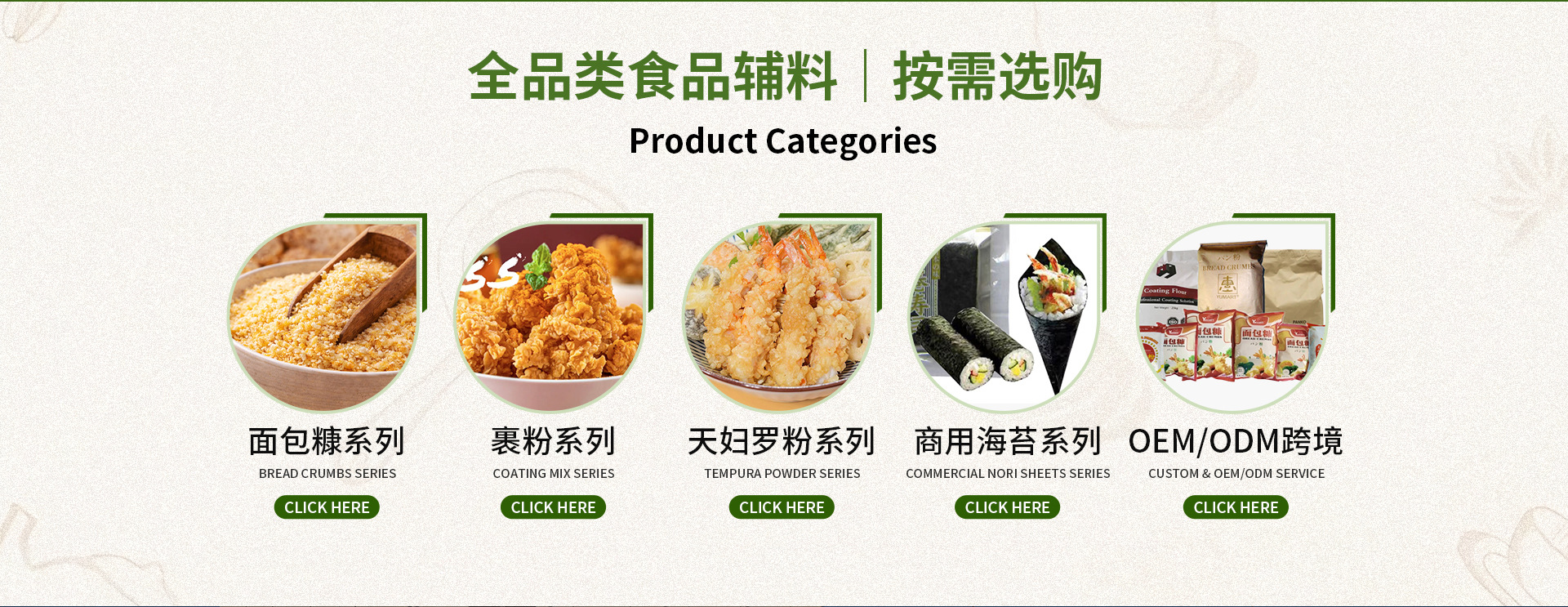
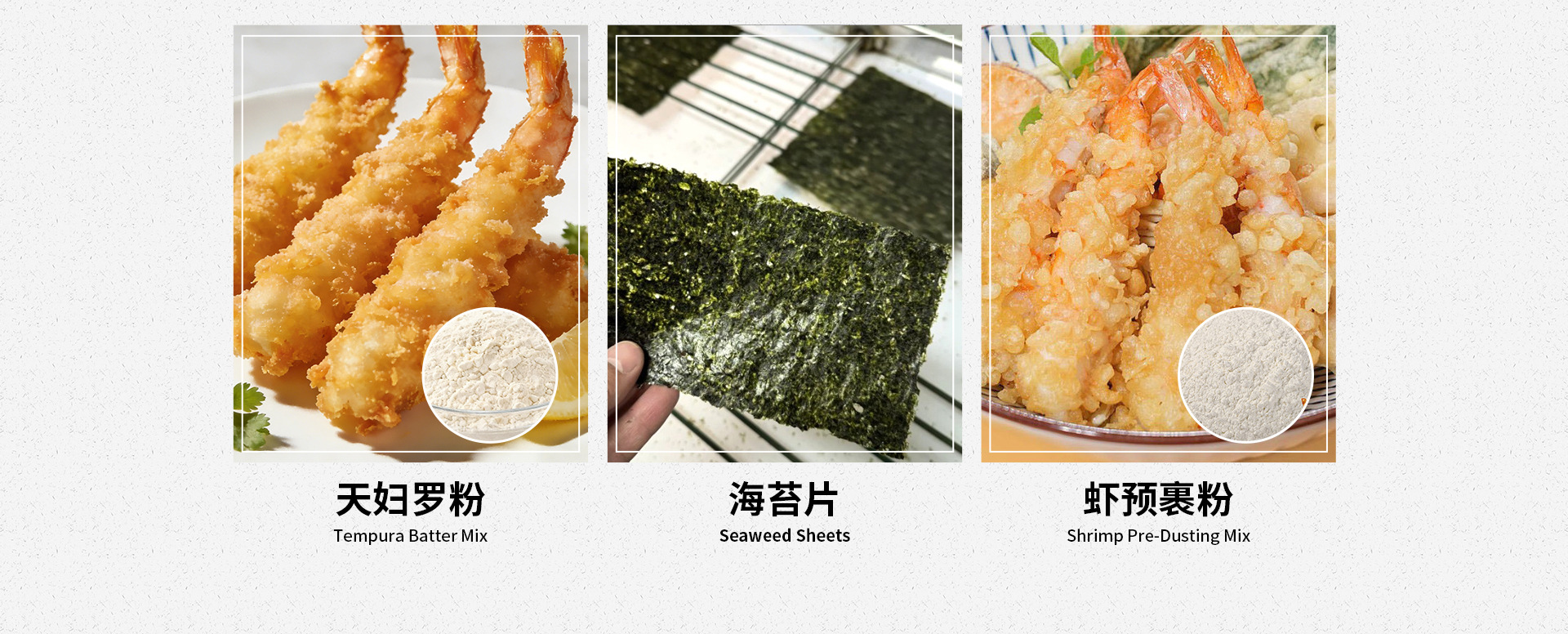
For specialty items like Japanese-style Panko breadcrumbs, tempura frying mixes, and premium dried sushi seaweed, Chinese factories have refined processing parameters like grain sorting, electrode baking, and state-of-the-art dehydration. This ensures massive production volume capacity without compromising on food safety, metal detection protocols, or consistency.
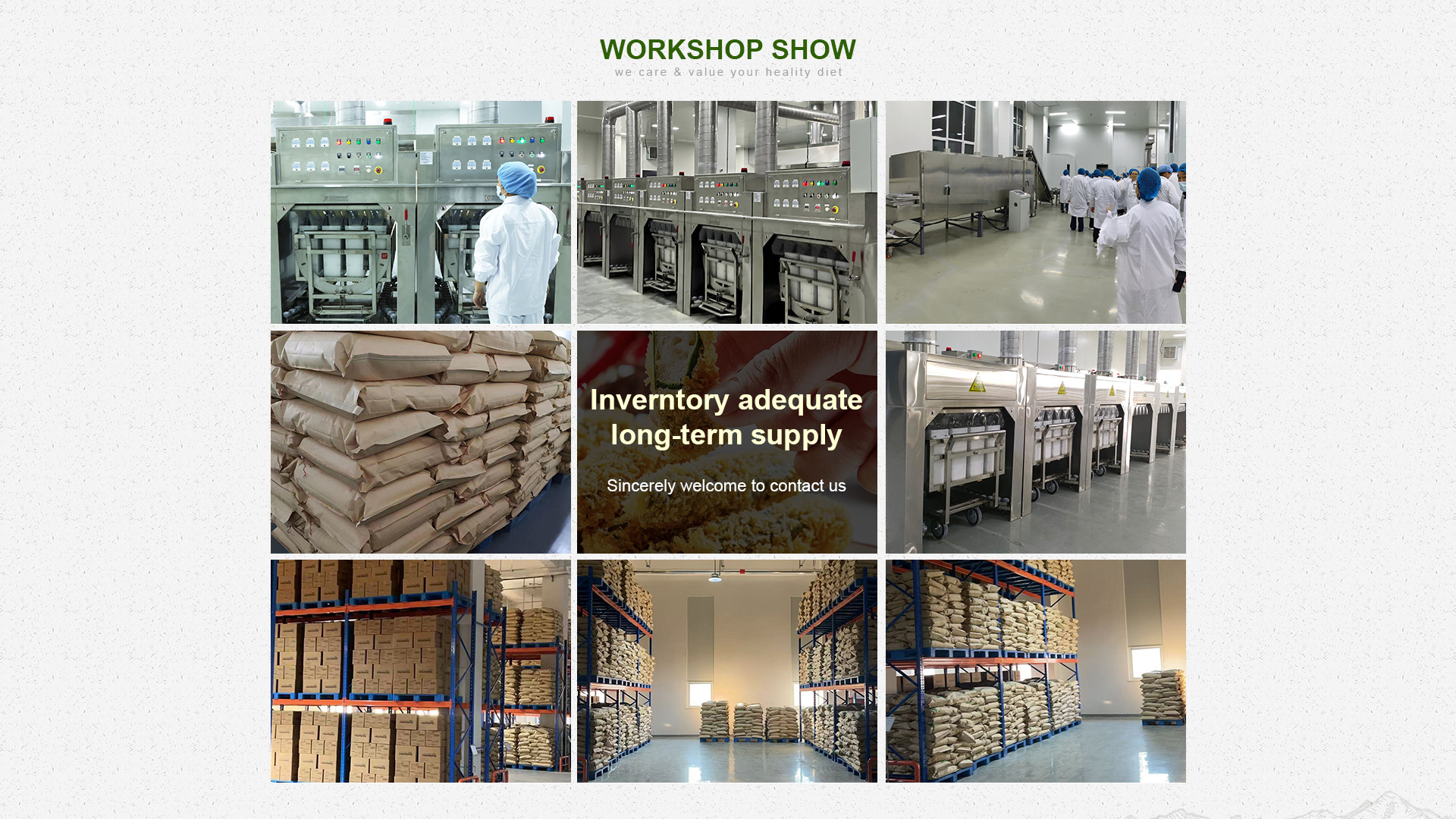
By using modern machinery (such as optical color sorters, automated milling systems, and custom dehydration chambers), Chinese processing facilities maintain tighter control over physical-chemical specifications than traditional manual-heavy setups. This level of technical oversight guarantees:
How top-tier food brands, national chains, and processing facilities leverage our product formulations.
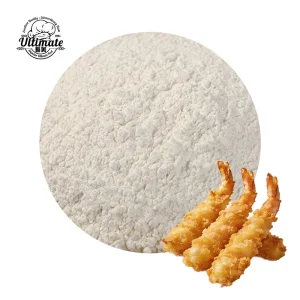
Consistency is paramount for franchise chains. Our Tempura and Batter Powders are designed to maintain high viscosity stability over several hours in hot kitchens. The resulting breading remains crispy on holding trays, maintaining texture from the deep fryer to the customer’s table.
Frozen foods (such as breaded chicken nuggets, fish sticks, and appetizers) require breading that can withstand flash-freezing and subsequent oven reheating or air-frying by the end-consumer. Our specialty Panko breadcrumbs resist crumb shedding and prevent oil-soak during pre-frying phases.
With the explosive popularity of pre-packaged sushi in US grocery stores and dedicated sushi spots, there is a constant demand for high-tensile nori sheets. Our premium grilled seaweed sheets are selected for zero tearing during machine rolling, ensuring structural reliability and authentic umami flavor.
The next decade of food processing is shaped by smart ingredient manipulation and health-conscious alternatives. We closely track these global market shifts to ensure our product range meets future procurement specifications:
When importing food ingredients from China to the United States, B2B procurement managers should prioritize the following compliance metrics:
High-volume bulk packaging tailored for US distributors, food service suppliers, and packaging firms.
Detailed answers to key technical, regulatory, and logistics queries for international volume procurement.
For dry coating systems, including Japanese Panko breadcrumbs and tempura powders, the standard shelf life under dry ambient conditions (RH < 60%, Temperature < 25°C) is 12 to 18 months. Products are packed in multi-wall kraft paper bags with integrated PE barrier liners to prevent moisture ingress.
Our partner manufacturing facilities implement strict Hazard Analysis Critical Control Point (HACCP) programs. We perform routine testing for heavy metals, pesticides, and microbiological pathogens (Salmonella, Listeria, E. coli) at accredited third-party laboratories (such as SGS or Eurofins) before shipping. Certificates of Analysis (COA) are provided with every batch.
Yes, our R&D team can adjust gluten levels, starch gelatinization ratios, and the granulometry of the breadcrumbs to match your frying equipment settings. This allows us to modify the final product's texture, density, color, and hold time.
To ensure cost-effective shipping rates, the standard MOQ for export orders is one 20-foot container (FCL), which holds about 10 to 12 metric tons depending on the product density. Mixed containers (e.g., combining nori sheets, breadcrumbs, and pre-mixes) can be arranged.
Bridging commercial machinery engineering and international food manufacturing scale.
Original Corporate Credentials (北京海宁时代科技有限公司):
北京海宁时代科技有限公司是专注消费电子领域的源头生产厂家,拥有自主生产资质与成熟外贸出口能力。店铺常年备有面条机、冰淇淋机等主力产品的大批量现货,支持快速响应与稳定交付;同时提供OEM/ODM加工定制服务,满足跨境客户、企业自用及个性化需求。依托扎实的制造实力与高效供应链,我们已服务众多国内外B端客户,品质与履约能力值得信赖。
By linking our commercial kitchen electronics division (including automated pasta machines and commercial soft-serve dispensers) with our wholesale bakery ingredient processing plants, we provide a complete food service solution. We supply both the ingredients and the industrial processing machines to national dining chains and global commercial bakeries.

Contact our engineers to request bulk product samples, custom formulation matching, or detailed pricing for international container shipments.
Send Inquiry Now Baking Supplies