The South African food processing sector is experiencing a significant structural transition. Driven by rapid urbanization, changing lifestyle dynamics, and an increasing demand for ready-to-eat (RTE) and quick-service restaurant (QSR) products, food manufacturing facilities in hubs like Johannesburg, Cape Town, and Durban require high-performance, functional dry ingredients. The demand for highly stable, moisture-resistant, and uniform breading and coating systems has never been more critical.
Industrial bakeries and processing factories face a unique set of challenges in the South African market. Fluctuations in localized grain quality, energy supply chain disruptions (specifically localized power grid issues impacting continuous line baking), and strict regulatory standards set by the Department of Agriculture, Land Reform and Rural Development (DALRRD) require international manufacturing partnerships that offer product consistency, advanced formulation design, and seamless logistics support.
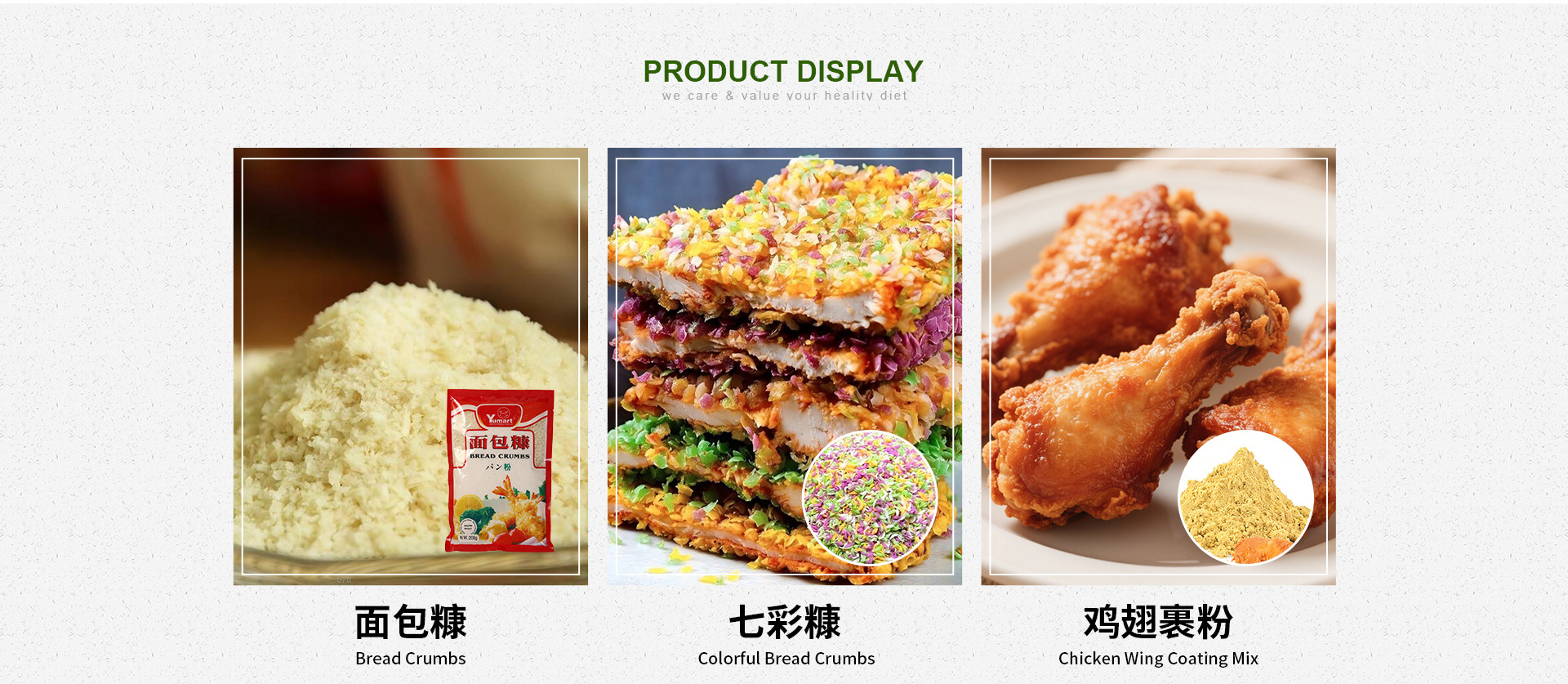
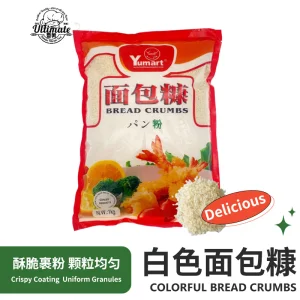
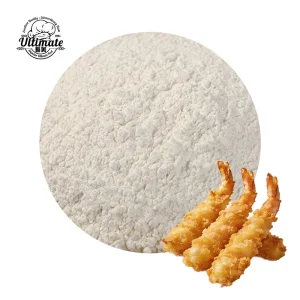
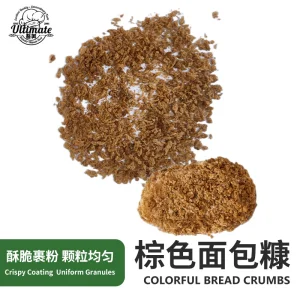
Information Gain Insight: Modern retail delis (such as Shoprite, Pick n Pay, and Woolworths) along with booming poultry brands (like Hungry Lion, KFC, and Pedros) require coatings that retain crunchiness for up to 120 minutes under heated display units. Standard flour coatings often degrade quickly due to moisture migration; this is why advanced starch modification and structured breadcrumb processing are paramount.
On a global scale, the industrial food formulation industry is shifting away from synthetic additives toward functional, clean-label starch matrices and natural colorants (extracted from paprika, turmeric, and beetroot). For South African importers, the volatility of the South African Rand (ZAR) against major global trading currencies necessitates high-yield, cost-efficient formulations that reduce waste on the production line.
Furthermore, South Africa acts as the strategic gateway to the broader SADC (Southern African Development Community) region. Importing high-performance dry mixes and bulk breadcrumbs into South African ports allows distributors to supply neighboring countries like Namibia, Botswana, Zimbabwe, and Mozambique. Our manufacturing facilities are optimized to supply standard bulk packaging (10kg and 25kg PP/PE bags) that can withstand transit across varying humidity profiles and maritime environments.
At Beijing Haining Times Technology Co., Ltd., we fuse precision engineering with advanced food chemistry. Originally celebrated for our robust commercial food machinery (such as state-of-the-art noodle processing lines and automated ice cream extrusion equipment), we have leveraged this mechanical engineering expertise to construct our own highly controlled dry-ingredient processing facilities.
Our manufacturing plants utilize computer-controlled extrusion, drying, and screening systems to produce crumbs of highly precise shapes (crescent, flake, star, and needle-like structures). This machinery-to-ingredient integration ensures that:
Importing food ingredients into South Africa demands strict adherence to local legislation. Our dedicated export division guarantees that all shipments comply with:
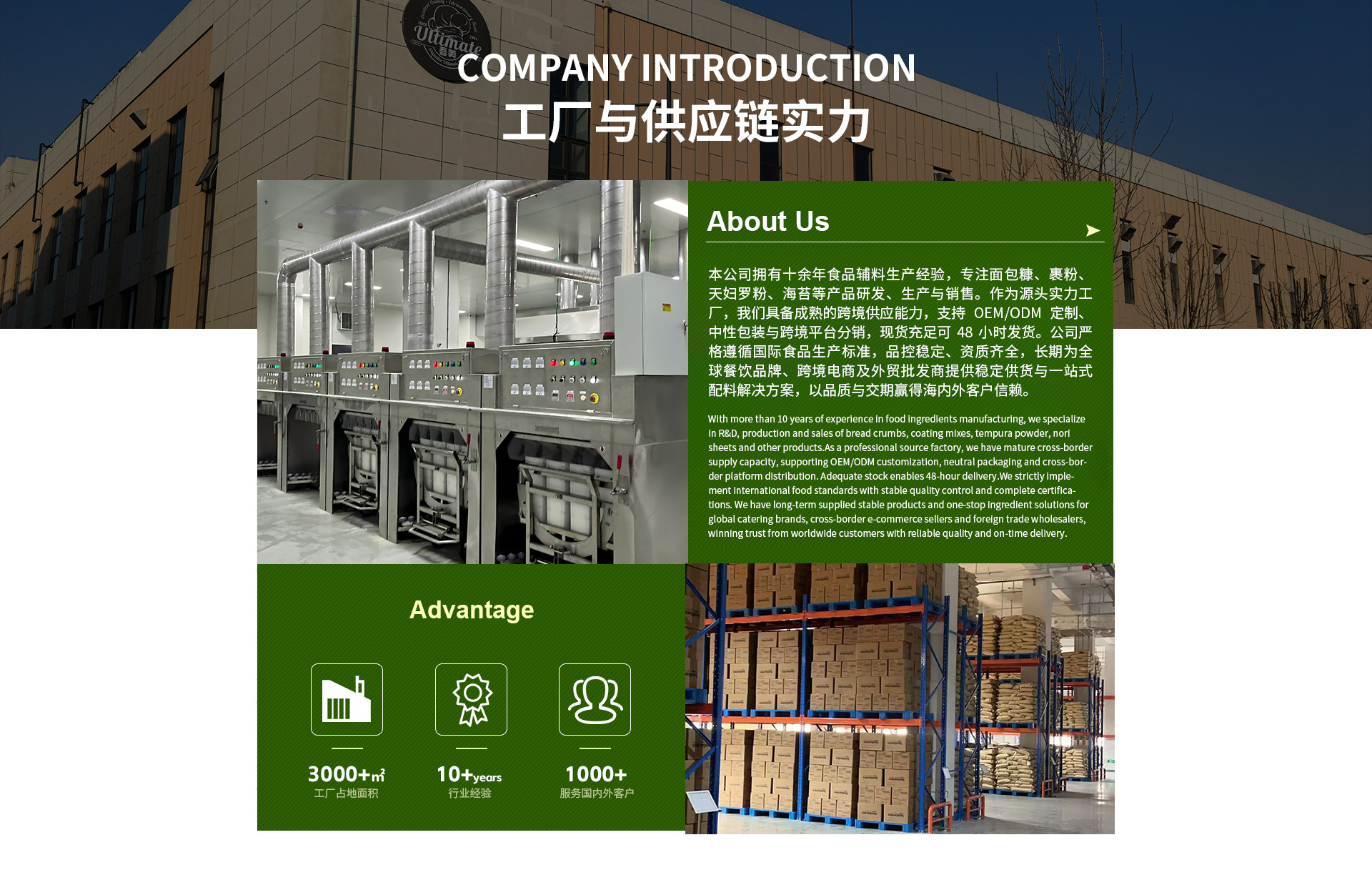
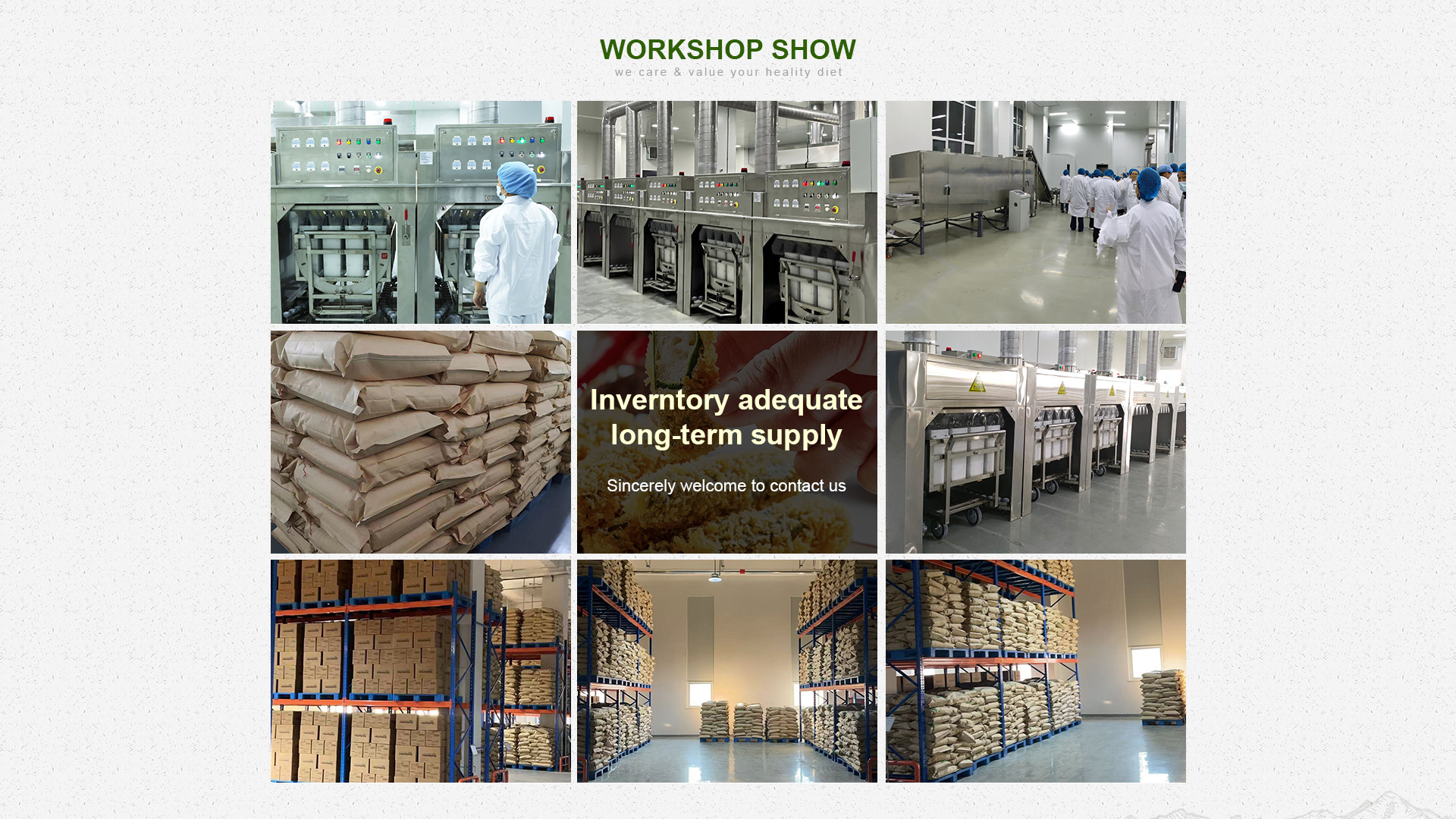
Beijing Haining Times Technology Co., Ltd. operates advanced manufacturing systems with fully automated packaging lines and ISO-certified quality control labs. Explore our industrial infrastructure below:




 Baking Supplies