Baking Ingredients Manufacturers & Factories in the Mexico Market

A Comprehensive Whitepaper on Industrial Coating Systems, Premium Food Powders, and Global Dehydrated Vegetables Supply Chains

1. The Mexican Food Processing Landscape: Evolution of Baking Ingredients & Coating Technologies

The food processing industry in Mexico has undergone a massive structural shift over the past decade. Driven by urbanization, a growing middle class, and a dynamic quick-service restaurant (QSR) sector, the demand for sophisticated, industrially-prepared baking ingredients has reached unprecedented levels. Modern food processing plants in regions like Jalisco, Nuevo León, and the State of Mexico are continually upgrading their supply chains to incorporate highly stable, cost-effective, and functional raw materials.

"According to recent market analyses, Mexico's commercial bakery and breading sector is projected to experience a compound annual growth rate (CAGR) of over 5.4% through 2028, primarily driven by industrial modernization and export opportunities under the USMCA (T-MEC)."

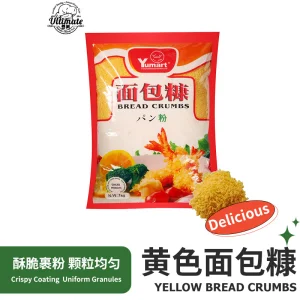
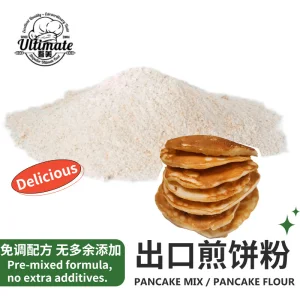
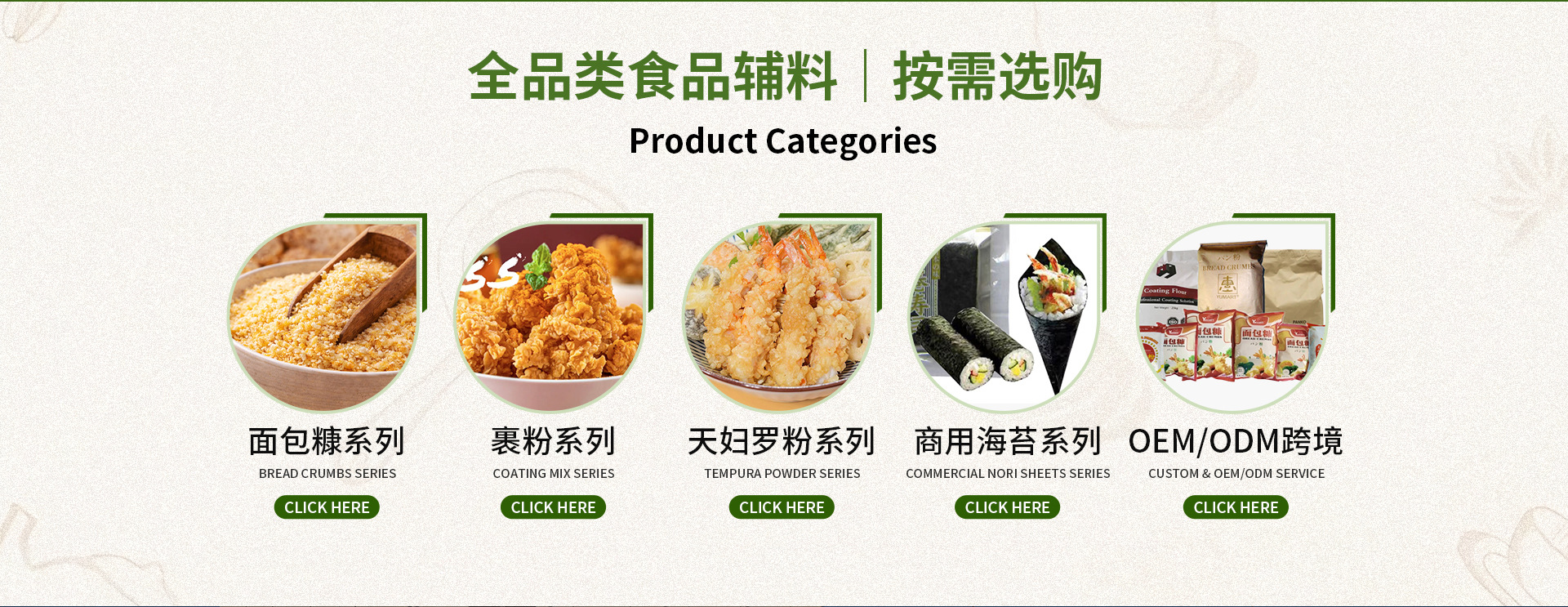
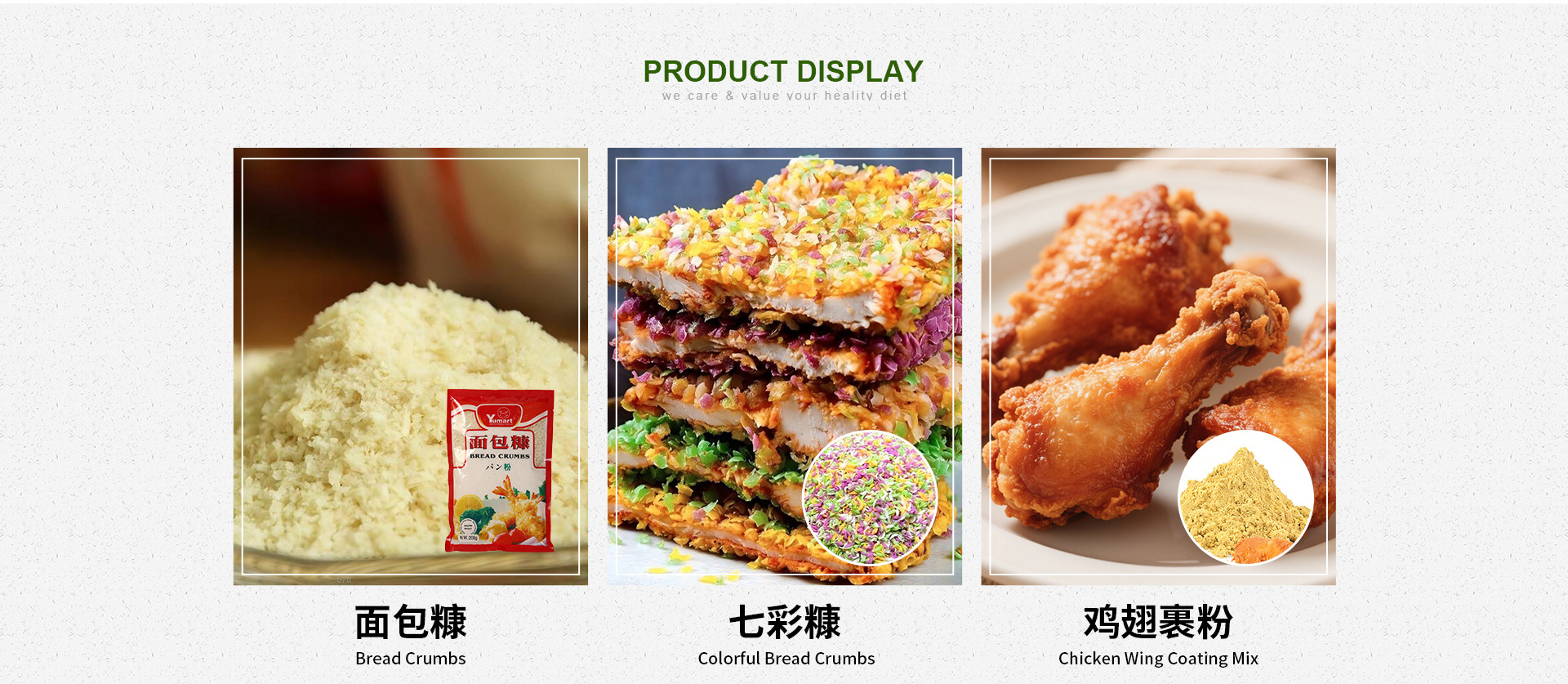
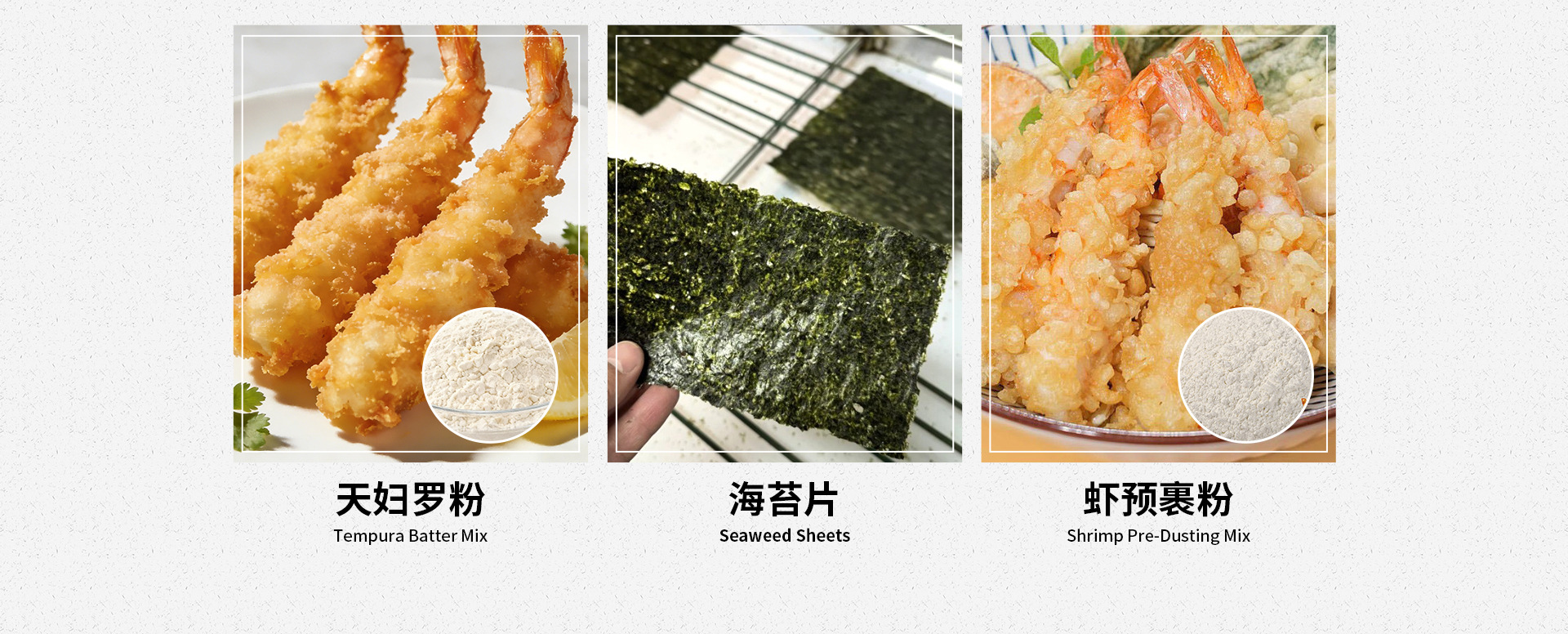
Baking ingredients, ranging from tailored starches, specialized wheat flour premixes, to advanced texturizers, form the backbone of this segment. A major growth sector is the industrial coating system, which utilizes high-performance breadcrumbs (such as Japanese-style Panko) and batter powders to supply large-scale poultry, seafood, and vegetarian convenience food producers. These coating systems are engineered to retain crispiness under demanding thermal regeneration processes, such as flash frying followed by individual quick freezing (IQF) and commercial baking.

2. Dehydrated Vegetables: Global Trade Dynamics & Localized Application in Mexico

Dehydrated vegetables represent a critical sub-category of the modern food ingredient industry. On a global scale, the market is powered by the need for clean-label, shelf-stable, and lightweight nutritional components. Dehydration techniques, including Air Drying (AD), Freeze Drying (FD), and Drum Drying, effectively extend the shelf life of fresh agricultural produce from weeks to years, eliminating microbiological hazards while preserving key sensory attributes like color, aroma, and nutritional profiles.

Air Drying (AD)

Traditional, highly cost-effective moisture extraction utilizing hot-air convection. Ideal for robust vegetables such as onions, garlic, carrots, and bell peppers used in seasoning blends and industrial baking premixes.

Freeze Drying (FD)

Sublimation process under vacuum conditions. FD preserves the original cell structure and rapid rehydration capability. Frequently applied to delicate herbs, green onions, and high-value fruits used in premium baking recipes.

Spray / Drum Drying

Converts liquefied vegetable purees into highly soluble powders. Critical for industrial batters, soup bases, and seasoning coatings where dry homogeneity is required.

In the Mexican market, dehydrated vegetables act as essential raw materials in several key industrial pipelines:

  • Commercial Baking Premixes: Savory bakery products, such as artisanal herbal breads, crackers, and biscuits, rely on dehydrated chives, garlic flakes, bell peppers, and jalapeños to ensure consistent flavor distribution without adding moisture that could compromise dough rheology.
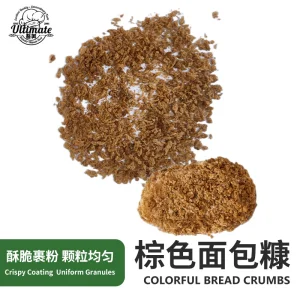
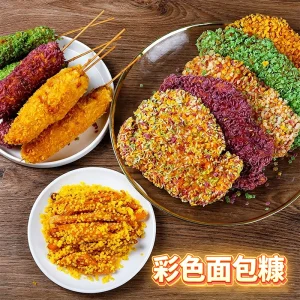
  • Coating Systems & Batters: Dehydrated vegetable powders are increasingly incorporated into breadcrumbs and pre-dusts. For example, tomato, spinach, and beet powders are used to produce naturally colored colored breadcrumbs, offering clean-label alternatives to synthetic dyes.
  • Instant Noodles & Prepared Soups: Large-scale processing facilities in Mexico demand high-purity dehydrated vegetables (onion, carrot flakes, cilantro) that comply with strict microbiological specifications (NOM standards) and exhibit quick rehydration when exposed to hot water.

Industrial Market Statistics & Targets

65%
Reduction in Moisture Weight via AD/FD Technology
5.4%
Projected CAGR for Mexican Industrial Food Coatings
< 5%
Average Starch Moisture Target in Premium Panko
100%
Clean-Label Regulatory Compliance (NOM-51/COFEPRIS)

3. Technological Roadmap: Formulating Coating Systems for Modern Food Processing

For B2B food manufacturers, coating raw proteins or vegetables is a precise science. The performance of a breading coating relies on the interaction between three distinct layers: the pre-dust, the batter, and the outer breadcrumb coating. Developing these formulations requires deep expertise in starch gelatinization, gluten structure, and moisture barrier properties.

Our industrial research highlights several key innovations in this space:

  1. Gluten Matrix Optimization in Batters: By custom-blending wheat gluten, corn starches, and hydrocolloids (like guar gum or methylcellulose), we formulate batter powders that control viscosity and maximize adhesion. This prevents the "blow-off" of coating during high-speed industrial frying.
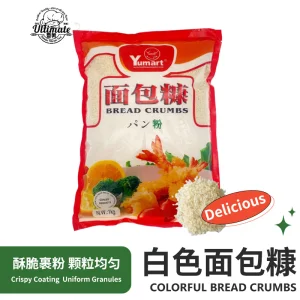
  2. Panko Crumb Architecture: Unlike traditional round crumbs, high-quality Panko features needle-like, porous structures produced via electrode baking. This unique structure provides a lighter, crispier bite and significantly reduces oil absorption during the frying process, satisfying consumer demands for healthier fried foods.
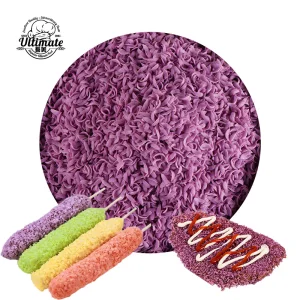
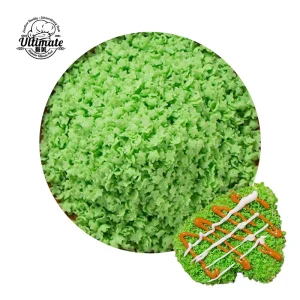
  3. Natural Coloration & Visual Appeal: Utilizing natural pigments derived from purple sweet potato, turmeric, and paprika, manufacturers can create colorful breadcrumbs that remain stable under UV light exposure and prolonged shelf storage.
"Technical Focus: Implementing moisture-migration barriers in frozen par-fried foods. By incorporating specific modified food starches into the batter system, we create a thermal barrier that prevents water from migrating from the core protein to the outer Panko layer, preserving crispiness even after microwave regeneration."

4. Macro-Industry Solutions & Supply Chain Optimization for Mexico

Logistical and regulatory efficiency is critical for Mexican food manufacturers sourcing ingredients globally. Under the framework of the United States-Mexico-Canada Agreement (USMCA/T-MEC), importing high-quality ingredients from leading global manufacturers requires strict compliance with domestic regulations (COFEPRIS, NOM-251 for food safety, and NOM-051 for packaging and labeling guidelines).

To support this, global manufacturing partners must offer robust supply chain solutions:
  • Microbiological Sterilization: All dehydrated vegetables and flour-based ingredients must undergo controlled heat treatment, irradiation, or gas sterilization to guarantee zero pathogen presence (Salmonella, E. coli, Listeria), minimizing product recall risks.
  • Custom Bulk Packaging: Ingredients are packaged in heavy-duty, moisture-barrier multi-wall paper bags or woven bags (10kg, 25kg, or ton-bags) equipped with internal PE liners. This prevents moisture absorption during transit across varying tropical climates in Mexico.
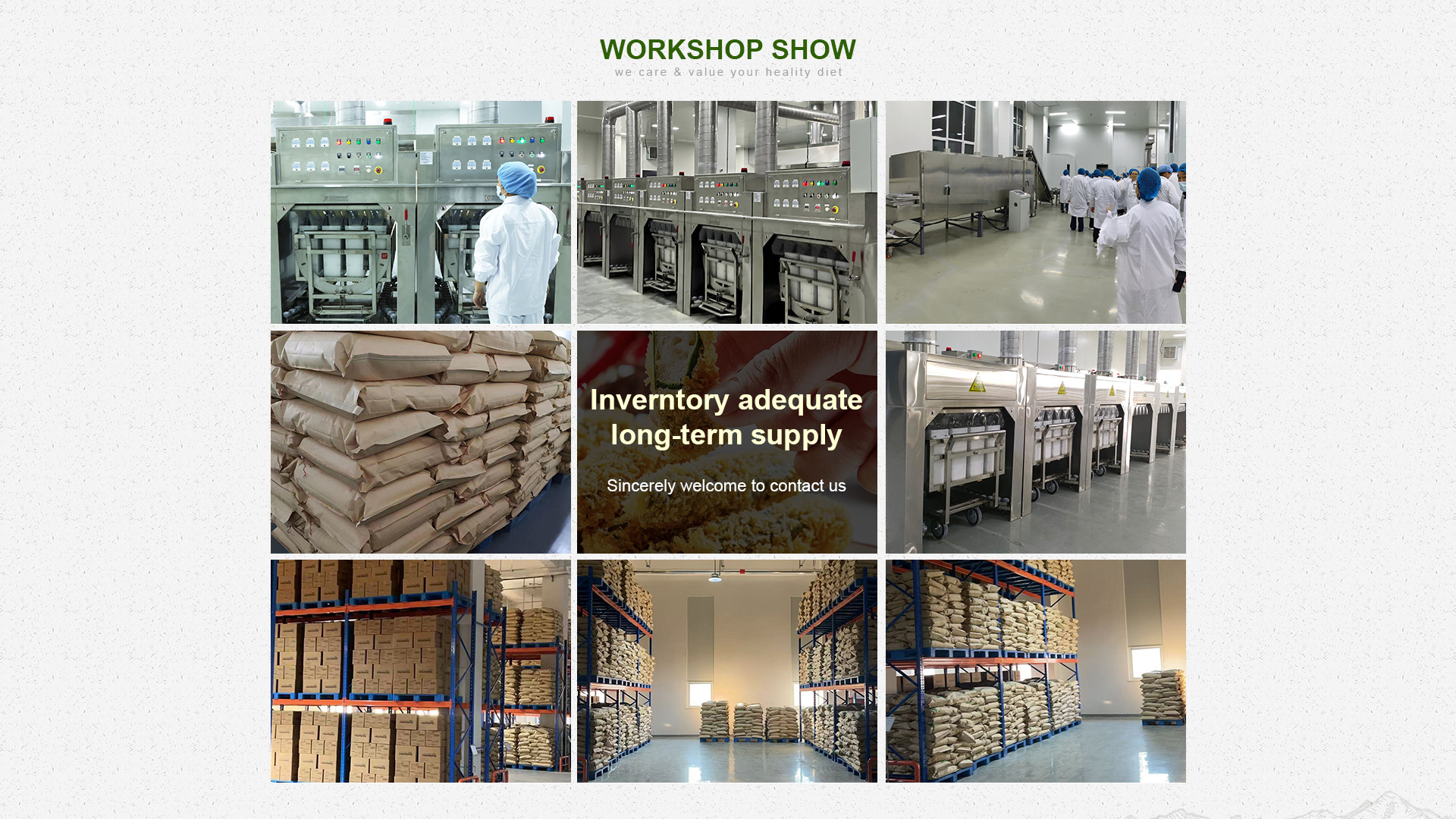
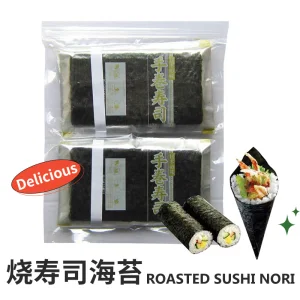
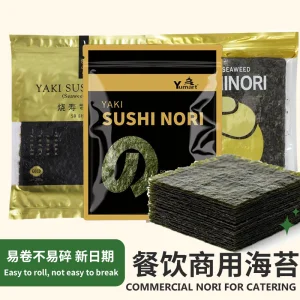
  • Consistent Quality Control: Modern factories leverage automated color-sorting machines (optical sorters) and metal detectors to ensure that only compliant, contamination-free grains, seaweed, and vegetable flakes enter the final packaging lines.

Beijing Haining Times Technology Co., Ltd.: Your Engineering and Ingredients Partner

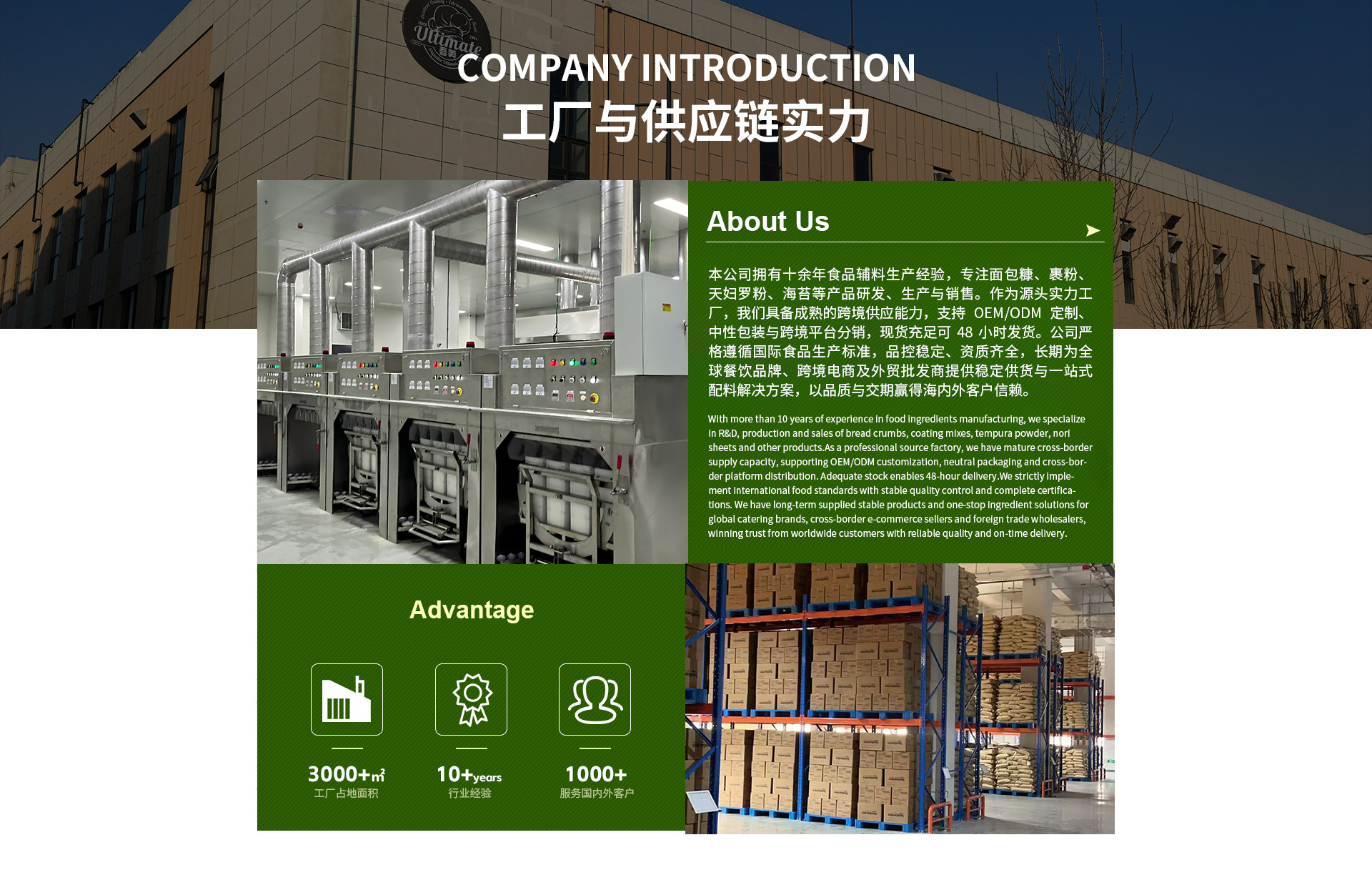
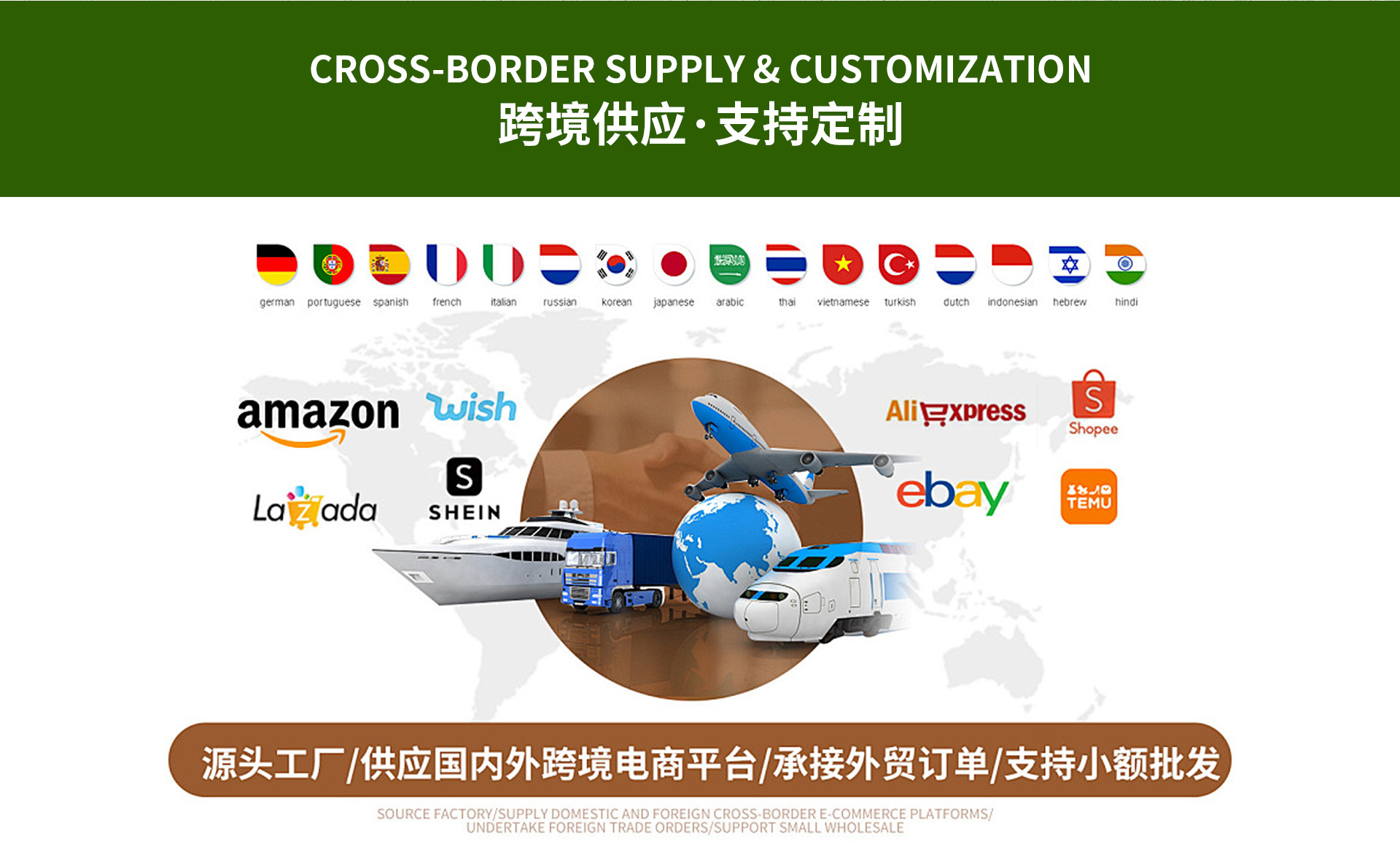
As a leading supplier with extensive export experience and autonomous manufacturing capabilities, Beijing Haining Times Technology Co., Ltd. serves the global food processing industry by offering a unique combination of high-precision food machinery and premium raw materials. Our company maintains a large inventory of high-demand machinery, including commercial noodle makers and automated ice cream machines, supporting quick dispatch and reliable delivery. Additionally, we provide comprehensive OEM/ODM customization services to meet the specific requirements of international distributors, food chains, and industrial processing hubs in Mexico and North America.

Our integration of food-grade mechanical engineering and formulation technology ensures that our clients receive stable product texture, optimized manufacturing efficiency, and consistent product quality. By bridging the gap between advanced food machinery and raw materials, we help B2B buyers establish streamlined, highly efficient production lines.

Frequently Asked Questions (B2B Q&A)

Q1: How do you guarantee the crispiness retention of Panko breadcrumbs in high-humidity regions in Mexico?
A1: Our Panko breadcrumbs are manufactured using the electrode baking method, which yields a highly porous, needle-like cell structure. This structure naturally minimizes oil absorption while providing structural strength. For tropical or humid climates in Mexico, we recommend utilizing our starch-based barrier pre-dusts and hydrocolloid-enriched batters, which form a strong moisture barrier to prevent interior product moisture from softening the outer crumb layer during storage and display.
Q2: Can your colored breadcrumbs meet clean-label requirements for major Mexican supermarket chains?
A2: Yes. We formulate our colored breadcrumbs using plant-derived pigments such as purple sweet potato extract, gardenia blue, and turmeric, eliminating the need for synthetic colorants. This aligns with COFEPRIS guidelines and assists front-of-pack warning label compliance (NOM-051) by keeping the formulation clean and simple.
Q3: What are the shelf-life and storage requirements for your dehydrated vegetable powders in bulk shipments?
A3: Our dehydrated vegetable flakes and powders have a typical shelf life of 12 to 24 months when stored in a cool, dry place (RH < 60%, Temp < 25°C). We ship all bulk powders in multi-wall kraft paper bags with food-grade PE inner liners to prevent moisture entry during transport and storage in coastal warehousing hubs like Veracruz or Manzanillo.
Q4: Do you offer custom formulation (OEM/ODM) for B2B food manufacturers in Mexico?
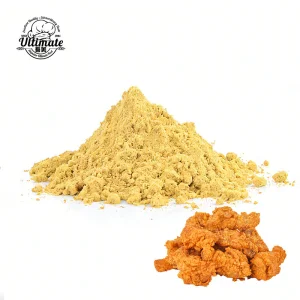
A4: Absolutely. We provide tailormade coating solutions, including custom mesh sizes for breadcrumbs, customizable spiciness and adhesion profiles for fried chicken batter powders, and custom packaging. Our food science engineers work directly with your R&D team to design solutions that match your cooking profiles (such as air frying, deep frying, or oven baking).
Q5: How does Beijing Haining Times Technology integrate food machinery with ingredient supply chains?
A5: We are a multi-disciplinary industrial partner. By designing and exporting commercial food processing equipment (like noodle machinery and ice cream mixers), we understand the physical demands placed on food ingredients during automated manufacturing. This engineering expertise allows us to formulate ingredients that withstand high shear, mechanical stress, and thermal transitions within large-scale processing lines.
Q6: What is the typical lead time for importing baking ingredients to Mexico, and how is quality verified?
A6: Our typical production lead time is 15-20 days from order confirmation. Marine shipping to major Mexican ports (Manzanillo, Lazaro Cardenas) takes approximately 20-30 days. Every batch is shipped with a Certificate of Analysis (COA), Microbiological Test Reports, and Phytosanitary Certificates to ensure seamless customs clearance.

Scale Your Food Production in Mexico

Partner with a manufacturing leader to secure high-performance baking ingredients, custom-made coating systems, and machinery solutions. Contact our engineering team today for samples, technical consultations, and pricing.

Send Inquiry Now