Baking Ingredients Supplier & Exporters serving Australia

Pioneering High-Efficiency Supply Chains for Premium Baking Powders, Specialized Coating Systems, and Dehydrated Raw Materials Across the Oceanic Food Industry.

Industrial Whitepaper: The Evolution of Food Ingredients & Bakery Supply Chains

Global Dynamics, Australian Market Nuances, and China’s Factory Processing Advantages

In the contemporary landscape of global food processing and industrial manufacturing, stability and innovation at the ingredient level dictate the commercial viability of end-products. Australia's food industry—ranging from regional bakeries in Victoria to nationwide Quick Service Restaurant (QSR) chains based in Sydney and Brisbane—is currently navigating a transitional phase characterized by rising operational costs, fluctuating crop yields due to climate variations, and escalating demand for "clean label" inputs.

1. The Australian Dehydrated Vegetables & Raw Materials Landscape

Australia boasts a robust agricultural sector, yet local environmental extremes make domestic supplies of key dehydrated ingredients highly volatile. Crops such as garlic, onions, bell peppers, carrots, and chives require specialized climatic conditions and massive resources to undergo dehydration locally. Consequently, Australian commercial bakeries and industrial food processors rely heavily on imported dehydrated vegetables to guarantee supply chain resilience.

Within Australian industrial baking, dehydrated vegetables serve as crucial functional components. For example, dried chives, onion flakes, and powdered vegetables are integrated directly into flour mixes for savoury breads, artisan crackers, and institutional pre-mixes. Traditional fresh vegetables introduce moisture variance, leading to enzymatic breakdown, shorter shelf life, and inconsistent crumb texture. Dehydrated ingredients resolve these technical issues, providing zero moisture variance, predictable water absorption indexes, and guaranteed shelf-stability in dry bakery distribution channels.

99.8%
Microbiological Compliance Rate
45%
Storage Cost Savings (Dehydrated vs Fresh)
100%
FSANZ Traceability Standard Met
12-Month
Guaranteed Stable Dry Shelf Life

2. Global Commercial Drivers and the Rise of Smart Sourcing

On a global scale, the market for dehydrated vegetables and specialized bakery batters is surging, driven by the expansion of ready-to-eat (RTE) meals, instant noodles, and frozen bakery goods. Traditional sun-drying methods have been completely replaced by high-precision AD (Air Dehydration), FD (Freeze Dehydration), and VF (Vacuum Frying) techniques. Global buyers demand raw products that maintain their natural enzymatic color, aromatic volatiles, and fiber structure upon rehydration.

Furthermore, international supply chain dynamics demand that materials undergo rigorous testing for chemical residues, heavy metals, and micro-pathogens (such as *Salmonella* and *Listeria*). Australian biosecurity standards managed by the Department of Agriculture, Fisheries and Forestry (DAFF) are among the strictest in the world. Importers must secure partnerships with factories that offer full batch traceability, standardized certificate profiles, and optimal packaging barrier properties to withstand transit and humidity.

3. China’s Factory Scale: Technology, Precision, and Manufacturing Efficiency

China remains the undisputed epicenter of global agricultural processing, utilizing state-of-the-art automation lines that ensure unprecedented consistency. By sourcing raw materials from standardized agricultural regions (such as Shandong and Jiangsu) and applying high-throughput processing technology, Chinese facilities achieve optimal output economies of scale that domestic Australian plants simply cannot replicate.

The manufacturing advantage centers on three core pillars:

  • Integrated Sorting Technologies: Advanced optical sorting machines equipped with near-infrared (NIR) sensors eliminate foreign matter, discolored crops, and defects at a rate of several tons per hour.
  • Steam Sterilization & Micro-Control: Modern dry-steam sterilizers reduce microbial counts to virtually zero without degrading volatile oils or altering natural flavor profiles.
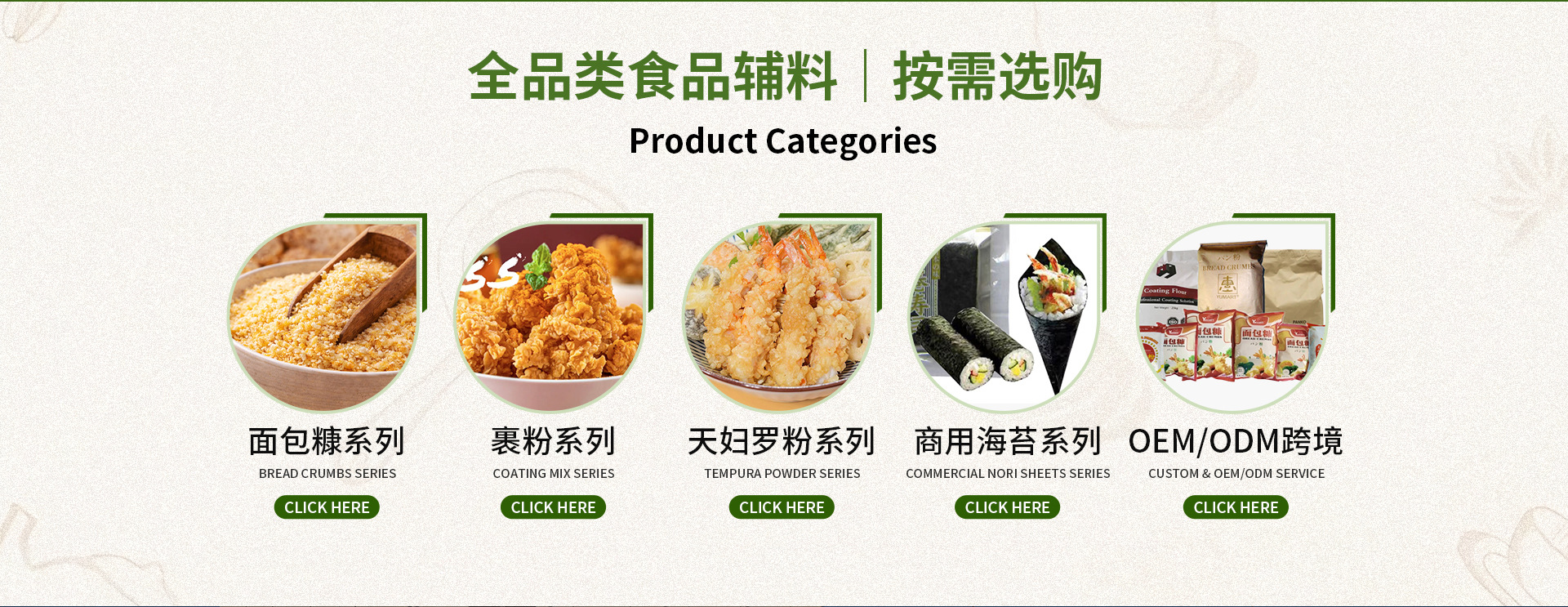
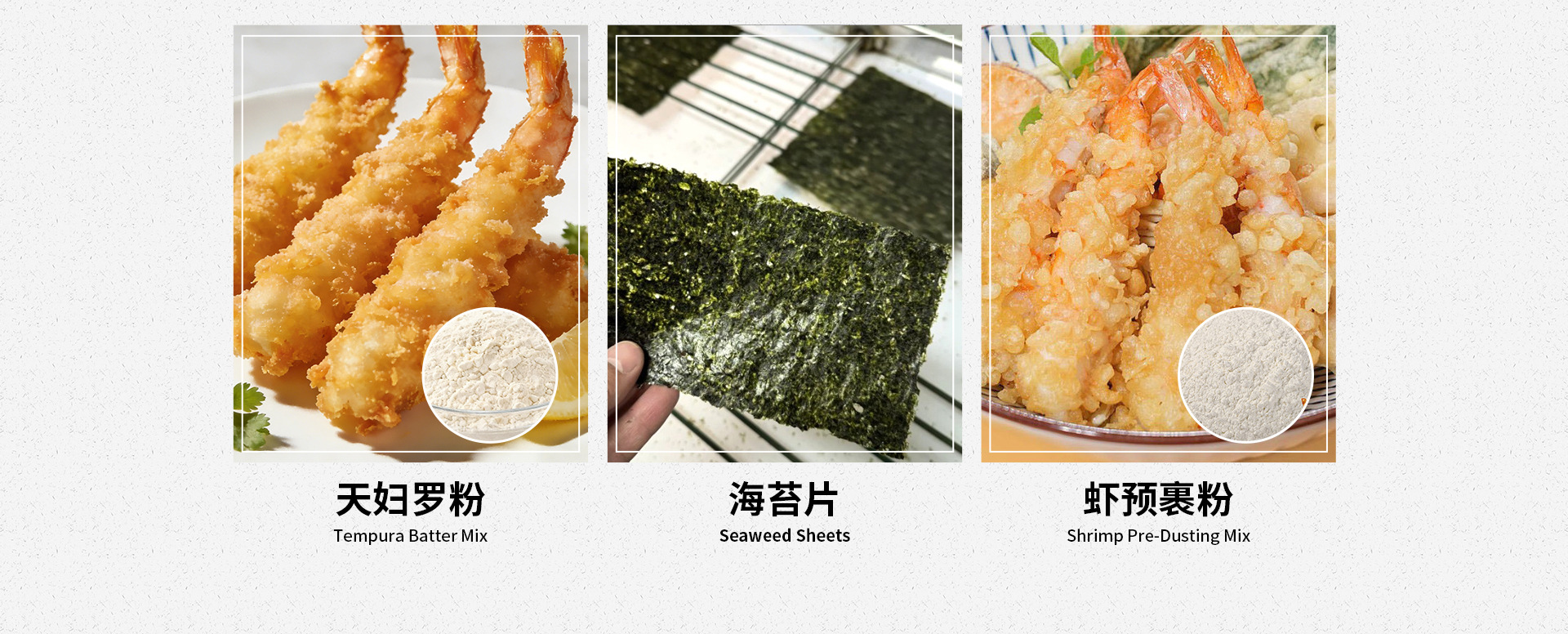
  • Cross-Industry Manufacturing Synergy: Large manufacturing hubs, such as Beijing Haining Times Technology Co., Ltd., drive dual advantages. While possessing profound expertise in export logistics, our manufacturing ecosystems synthesize mechanical food engineering (such as heavy commercial noodle and ice cream machinery) with food chemistry (batters, breadcrumbs, nori, and dehydrated seasoning inputs). This hybrid background allows us to deliver integrated machinery and raw material consultation to commercial bakeries, minimizing process-friction for the buyer.

4. Localized Application Scenarios Across Australia

To successfully integrate these ingredients, it is vital to match products to real-world Australian kitchen and plant scenarios:

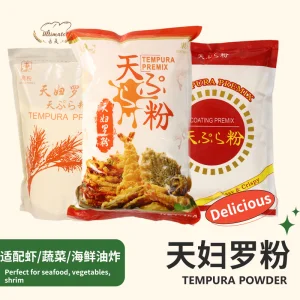
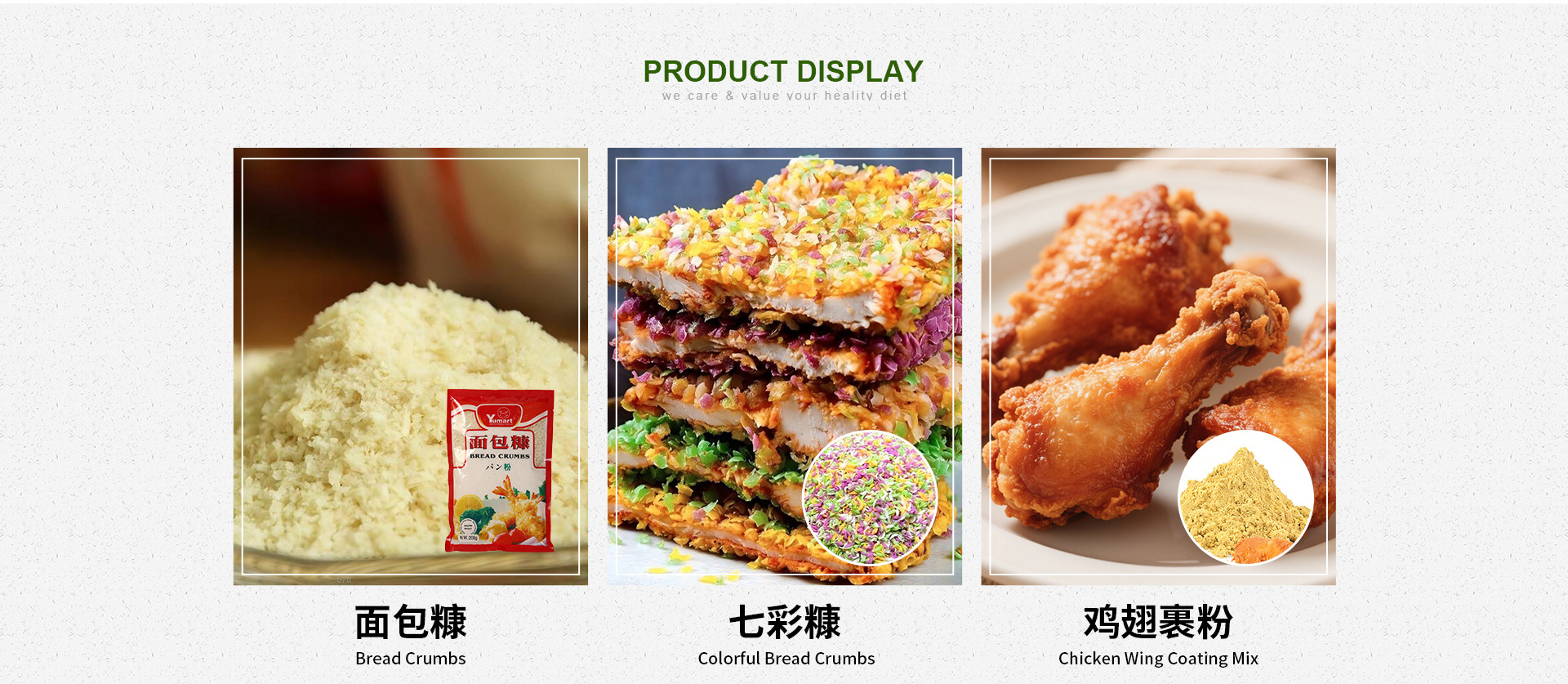
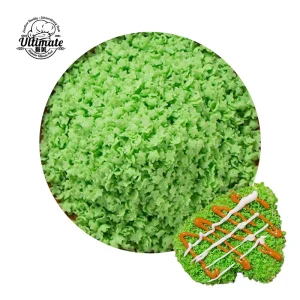
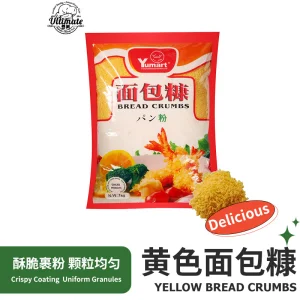
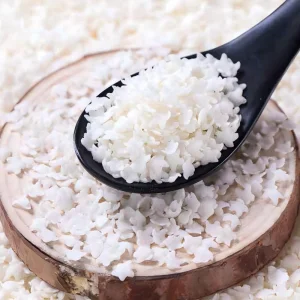
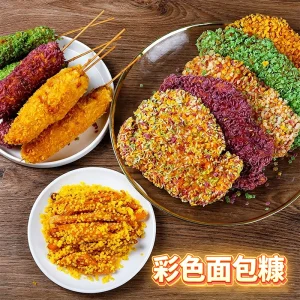
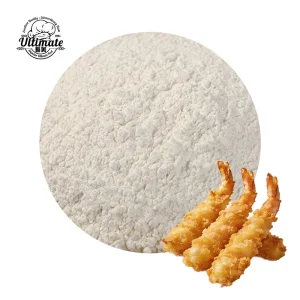
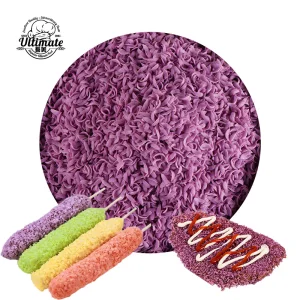
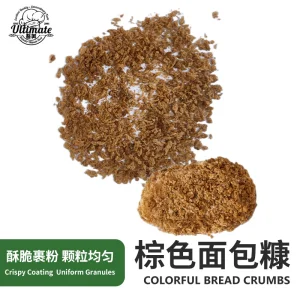
  • QSR & Fast Casual Chains (Sydney/Melbourne): Utilizing optimized tempura and specialized colored breadcrumbs (like the crescent and star-shaped crumb variations) to maintain crunchiness in steam tables and hot cabinets for fried chicken, seafood, and vegetarian patties.
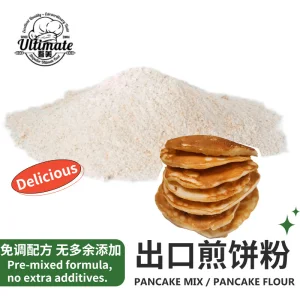
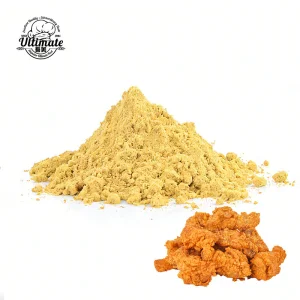
  • Industrial Pre-Mix Manufacturers: Using uniform 25kg commercial pancake mixes, custom batters, and dehydrated vegetable seasonings to produce standardized flour packages sold at retail and wholesale levels.
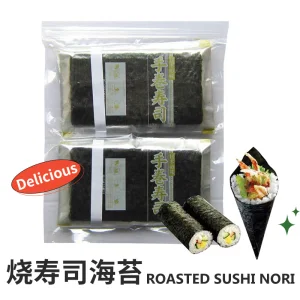
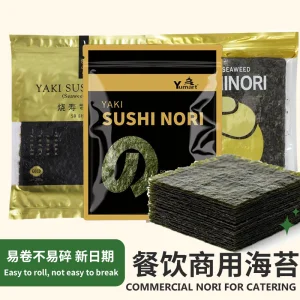
  • Sushi Distribution Hubs: Integrating premium double-roasted Nori sheets that resist tearing on automated high-speed wrapping machines used for making convenience store triangular rice balls (onigiri).

State-of-the-Art Production & Smart Manufacturing Facilities

Beijing Haining Times Technology Co., Ltd. — Your Trusted OEM/ODM Partner with Global Export Credentials

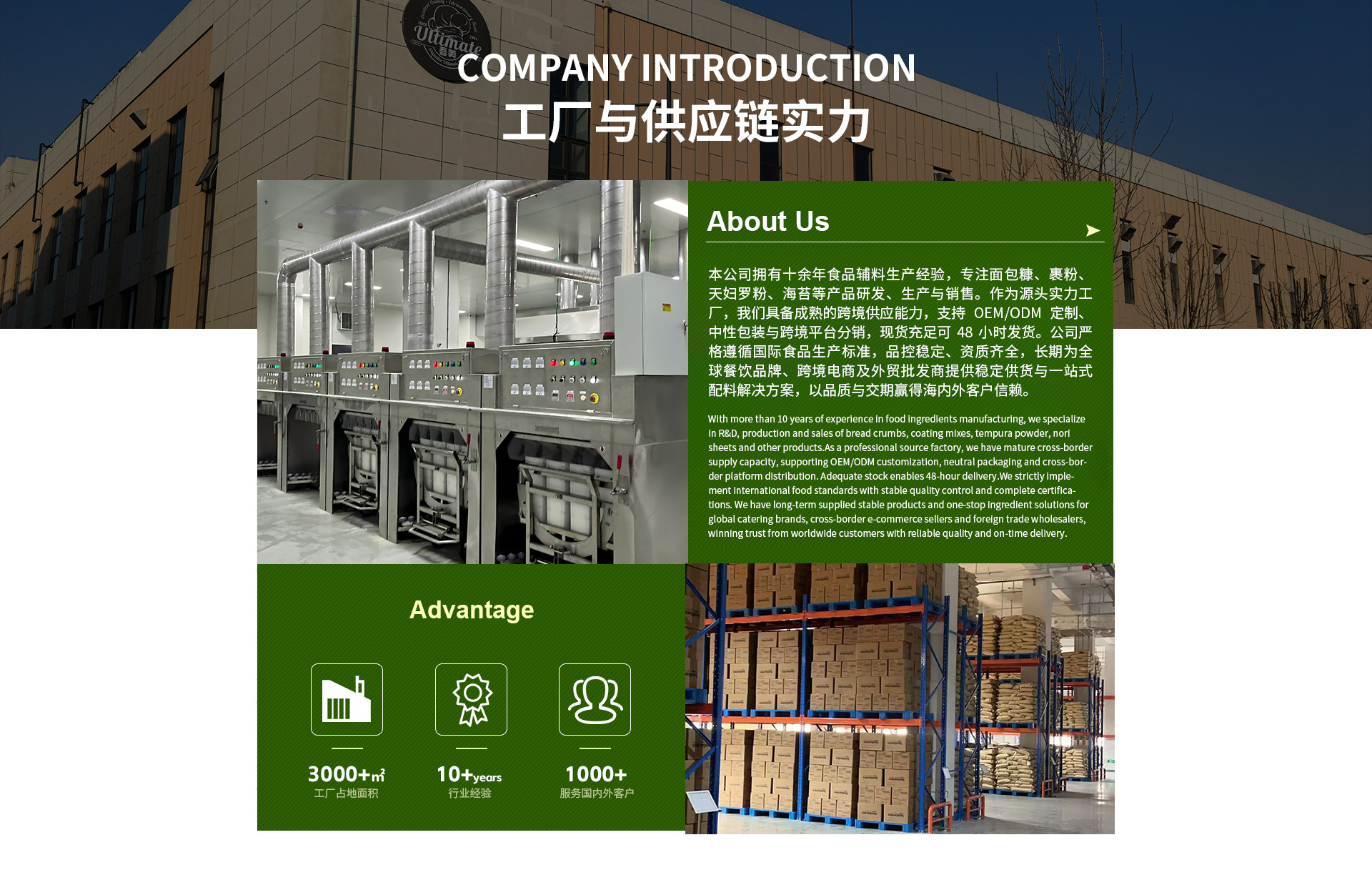
Beijing Haining Times Technology Co., Ltd. (北京海宁时代科技有限公司) stands as a prominent, source-level manufacturing enterprise specializing in both food processing machinery and premium commercial food ingredients. We maintain massive raw ingredient and equipment inventories, enabling rapid dispatch, consistent scaling, and reliable delivery for Australian importers, commercial kitchen chains, and food distributors.

Our facilities are fully certified under international safety management schemes, featuring high-capacity automated production lines, climate-controlled warehousing, and cleanroom packaging spaces. Whether you require custom-formulated breadcrumb shades, tailored batter viscosities, or specialized commercial equipment configurations (such as high-speed noodle lines or commercial ice cream systems), our engineering and food-science teams deliver seamless OEM/ODM adaptations to meet your precise market target.

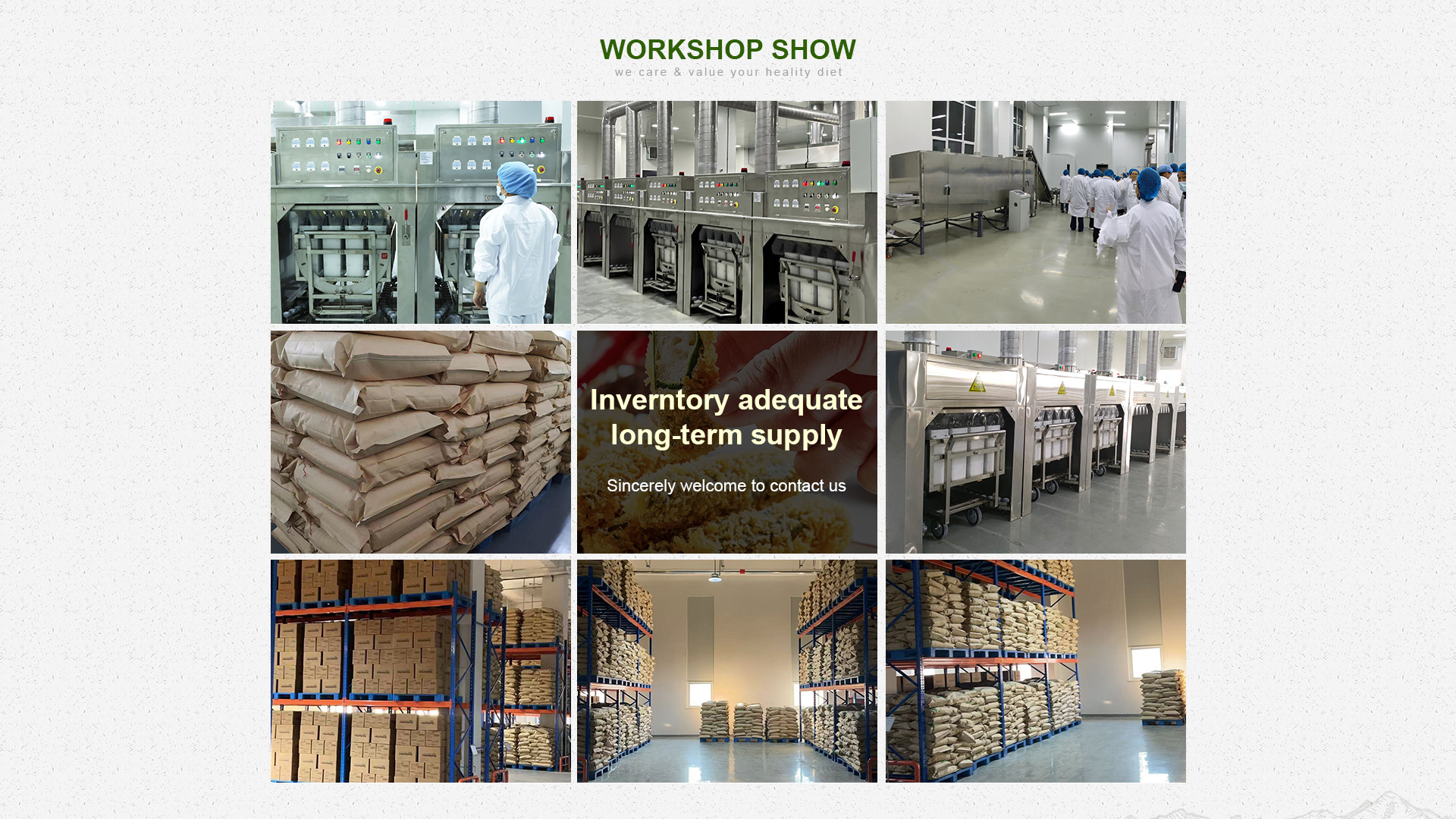
Production Workshop Assembly Line 1
Precision Metal Fabrication Workshop
Automated Manufacturing Machinery Inventory
Quality Testing and Equipment Calibration Area
Factory Assembly and Machinery Testing Bay
Modern CNC Manufacturing Line
Finished Product Warehouse for Export Delivery
Global Shipping and Logistic Loading Dock

Frequently Asked Questions (FAQ)

Expert Insights into Import Compliance, Custom Formulations, and Logistics for Australian Buyers.

Q1: Do your baking ingredients and coating systems comply with Food Standards Australia New Zealand (FSANZ)?
Yes, all products exported to Australia undergo strict manufacturing checks to align with the Food Standards Code. We maintain comprehensive documentation, including microbiological assay certificates, heavy metal testing profiles, allergen listings, and detailed raw material tracing profiles, ensuring smooth clearance under DAFF biosecurity inspections.
Q2: How do your dehydrated vegetables and flour blends maintain stability during sea transit to Australian ports?
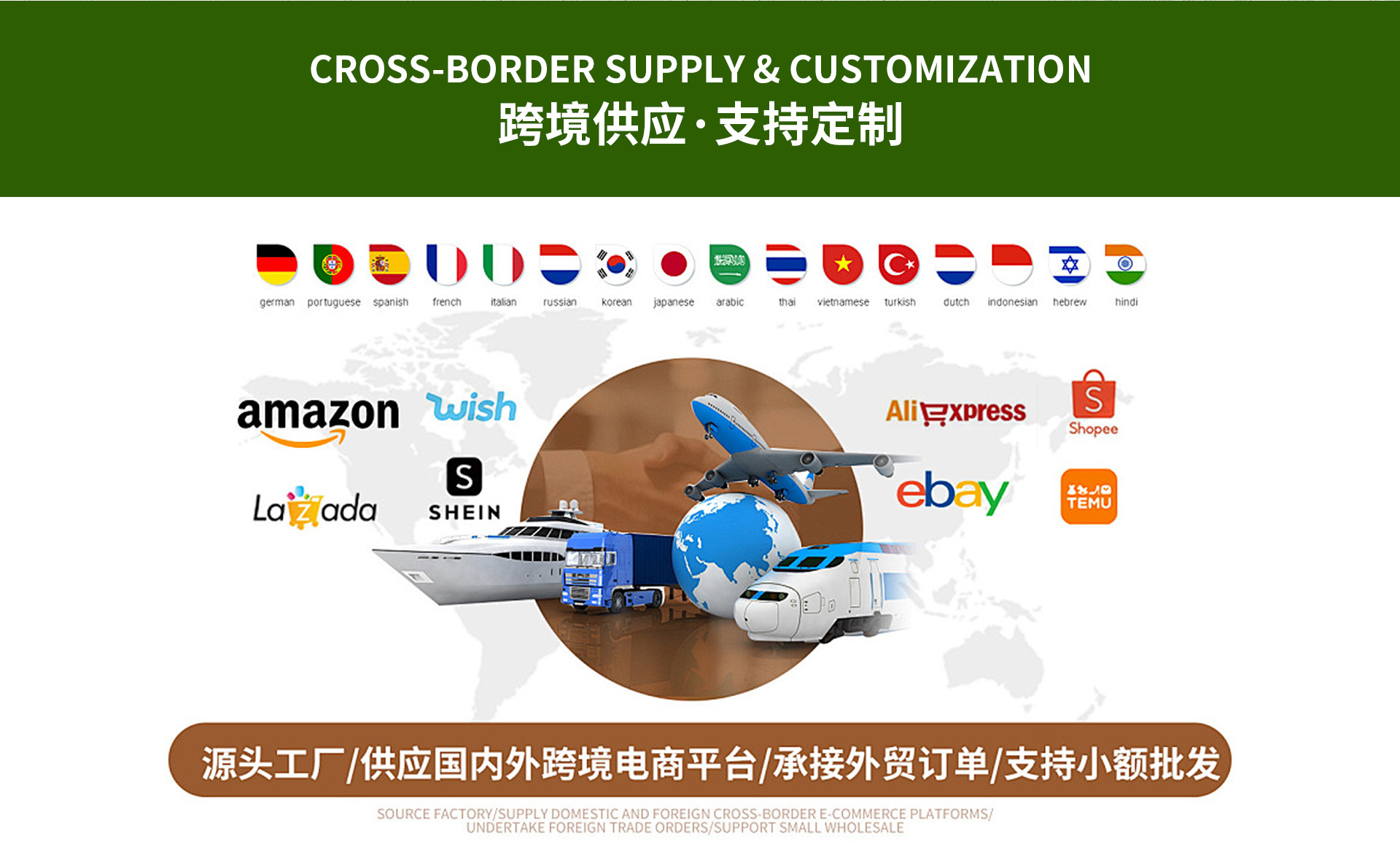
We utilize high-barrier, multi-layer food-grade polyethylene packaging lined with moisture desiccants (where appropriate). Our cargo is loaded in moisture-sealed containers at Qingdao or Tianjin ports, preventing water vapor penetration during transit across equatorial shipping lanes. This ensures products arrive in Melbourne, Sydney, or Brisbane with their original low moisture profile intact.
Q3: Can we request custom-colored breadcrumbs or specific grain densities (OEM/ODM)?
Absolutely. Our manufacturing lines can adjust the raw extrusion pressure, bake times, and natural plant-based colorants (such as paprika, beetroot, and gardenia extracts) to create tailored crumbs. Whether you need a specific crumb size (from 1mm fine crumbs to large 10mm crescent flakes) or custom-branded retail packaging, our OEM team is fully equipped to handle it.
Q4: What is the Minimum Order Quantity (MOQ) for shipping to Australia?
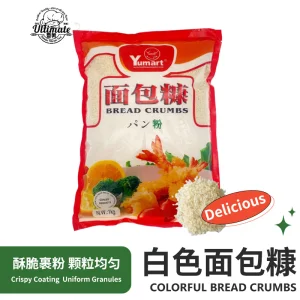
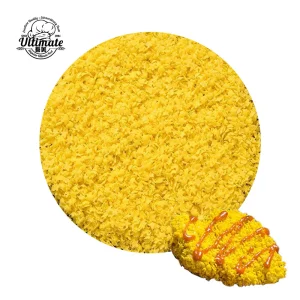
For standard bulk bags (e.g., 10kg or 25kg white/yellow breadcrumbs, tempura powders, or pancake mixes), we typically operate on a FCL (Full Container Load) or LCL (Less than Container Load) basis, starting at 1 to 2 metric tons. This maximizes container space and lowers unit shipping costs for the importer. Please contact our sales team to discuss trial consignments.
Q5: How does Beijing Haining Times Technology Co., Ltd. integrate machinery and ingredient expertise?
We understand that food processing relies on both the physical machinery (e.g., commercial noodle makers, automatic battering machines, commercial ice cream machines) and the raw input behavior. By engineering food processing equipment alongside exporting ingredients, we help clients optimize machine-to-mix compatibility, minimizing recipe development downtime and machinery wear-and-tear.
Q6: What is the shelf life of your dehydrated Nori and frying powders under typical warehouse conditions?
Under dry, cool storage conditions (below 25°C and relative humidity below 60%), our frying powders, pancake mixes, and breadcrumbs carry a guaranteed shelf life of 12 to 18 months. Double-roasted Nori sheets, when kept in their original sealed vacuum foil packaging, maintain optimum crispness and flavor profile for up to 12 months.

Optimize Your Bakery Supply Chain Today

Get in touch with our team of food scientists and export engineers for batch pricing, customized formulations, or trial orders to Australia.