Premium frying mixes and bread crumbs designed to meet local high-humidity stability requirements and delivery consistency.
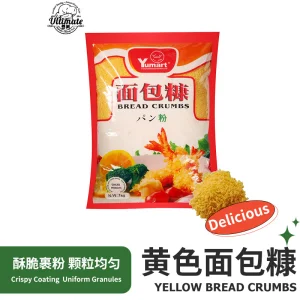
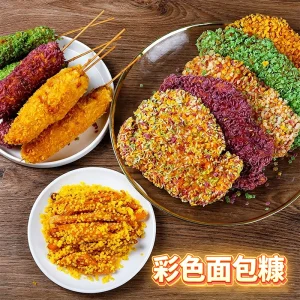
Strategic dynamics of dry food ingredients, technical baking premixes, and dehydrated agricultural products in Vallejo, Iztapalapa, and regional hubs.
The Metropolitan Area of the Valley of Mexico (Zona Metropolitana del Valle de México - ZMVM) represents the center of commercial logistics and food industrialization within Central America. In Mexico City (CDMX), the demand for high-stability ingredients like dehydrated vegetables and functional bakery binders has witnessed significant growth. This change is driven by the expansion of quick-service restaurant (QSR) chains, large-scale industrial frozen food packers, and the localized adaptation of baking premixes to meet clean-label, high-yield manufacturing criteria.
Sourcing systems located within Vallejo and the State of Mexico require ingredients designed for immediate dry-blending and extrusion.
Handling high relative humidity during the Valley of Mexico's rainy season requires specialized formulations with moisture barrier controls.
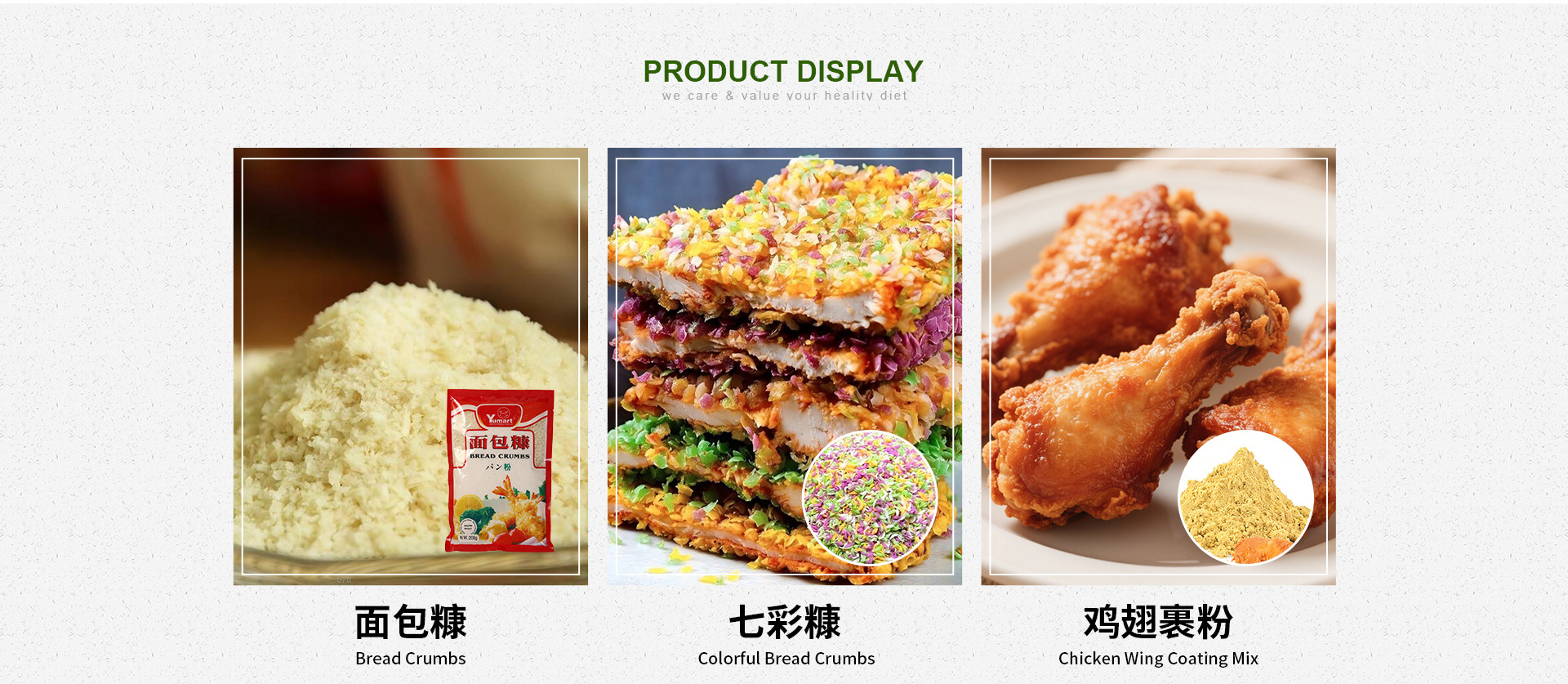
Baking ingredients and structural coatings (such as Japanese-style Panko and Tempura mixes) are closely linked with the supply of industrial dehydrated vegetables (onions, garlic, chilis, and bell peppers). Large scale processors in Mexico City use dehydrated vegetables to formulate localized seasoning blends, instant soup packets, and marinades. These marinades are subsequently integrated with breading lines to manufacture value-added meats, chicken cutlets, and ready-to-fry convenience goods.
From a global exporter perspective, supplying Mexico City involves managing long transit routes to major entry ports like Veracruz or Manzanillo, followed by secure customs transit to the dry port hubs of Pantaco. Importers must prioritize microbiological purity, pesticide residue controls, and strict compliance with the Mexican official standard NOM-051-SCFI/SSA1-2010, which dictates front-of-package nutritional warning seals. High-quality exporters provide custom formulations that adjust sodium, dietary fiber, and protein levels to minimize warning labels while maintaining sensory performance.
Analytical profile comparison for export-grade dehydrated vegetables and functional baking coatings optimized for Mexican food processing standards.
| Ingredient Classification | Physical / Chemical Metrics | Moisture & Water Activity (Aw) | NOM-051 Compliance Feature | Recommended Industrial Applications |
|---|---|---|---|---|
| Dehydrated Onion / Garlic Flakes | Granulation: 1-3mm, 3-5mm / Powder | Moisture ≤ 6.0% | Aw ≤ 0.45 | Pesticide and Heavy Metal Free | Spice Blends, Ready Meals, Marinades |
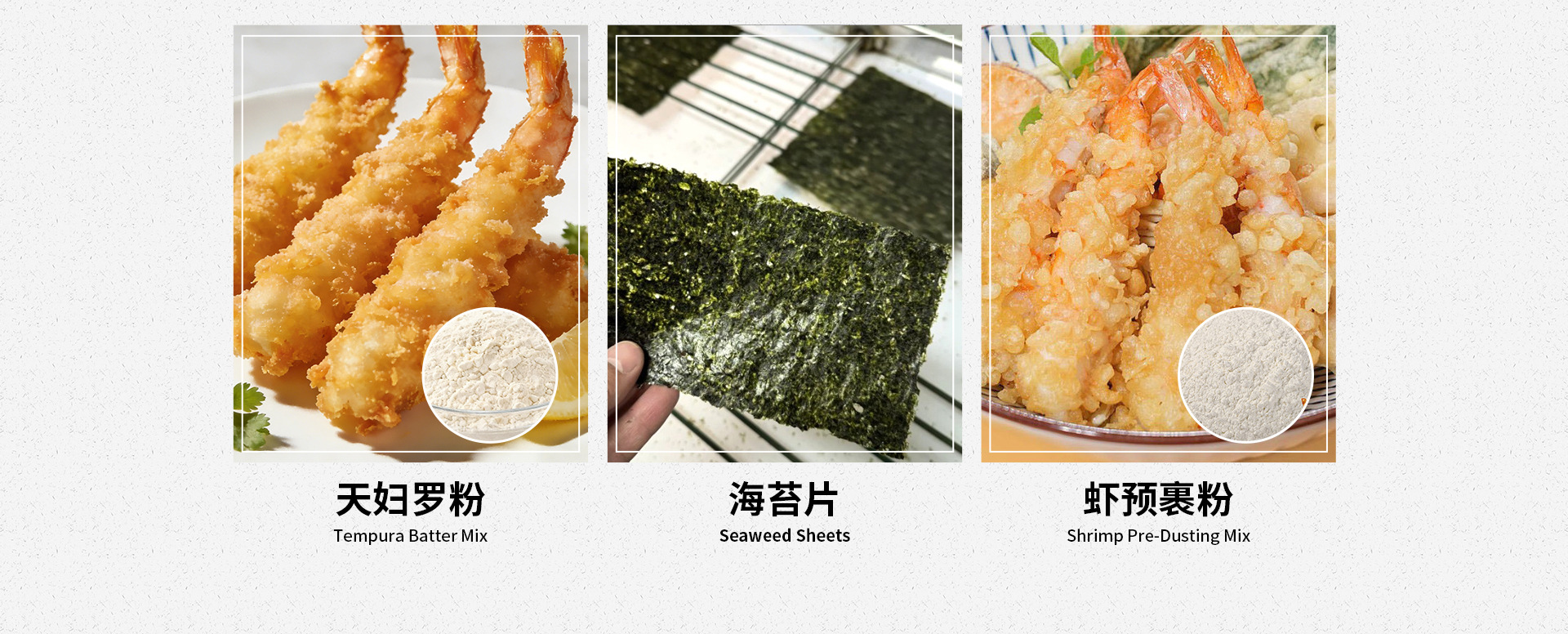
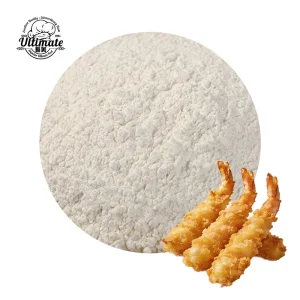
| Specialty Tempura Powder | High Viscosity Starch, pH: 5.5 - 6.5 | Moisture ≤ 12.0% | Aw ≤ 0.60 | Low Sodium Formulation Potential | Seafood Battered Lines, QSR Pre-dusting |
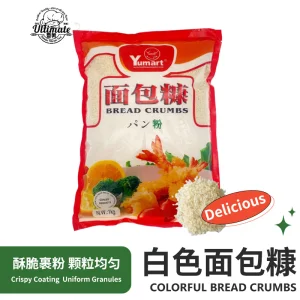
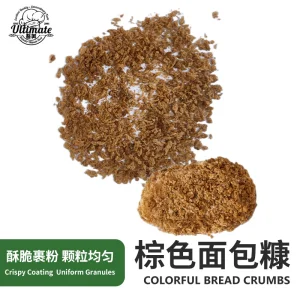
| Japanese Style Panko | Needle shape, Size: 2mm - 8mm | Moisture ≤ 10.0% | Aw ≤ 0.55 | Optimized fat-uptake resistance | Industrial Chicken & Cutlet Breading |
| Functional Batter Mixes | Cold-water soluble adhesion starch | Moisture ≤ 11.5% | Aw ≤ 0.58 | Clean Label options (No synthetic gums) | Extruded snack binders, meat forming |
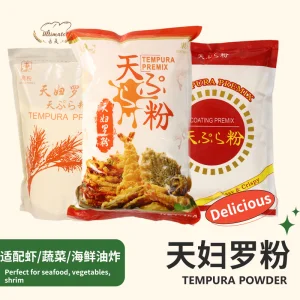
In industrial frying systems in Mexico City, managing oil degradation and product sogginess is critical for shelf-life stability. Functional coatings like Wumei Tempura Powder utilize thermally modified starches that form a hydrophobic membrane upon contact with hot frying oil. This membrane locks in the natural moisture of the substrate (chicken, seafood, or vegetables) while preventing excessive oil absorption, resulting in a lighter crunch and prolonged holding time under QSR heat lamps.
Parent group capabilities, manufacturing infrastructure, and cross-border delivery operations.
Corporate Equipment Showcase & Production Facilities:
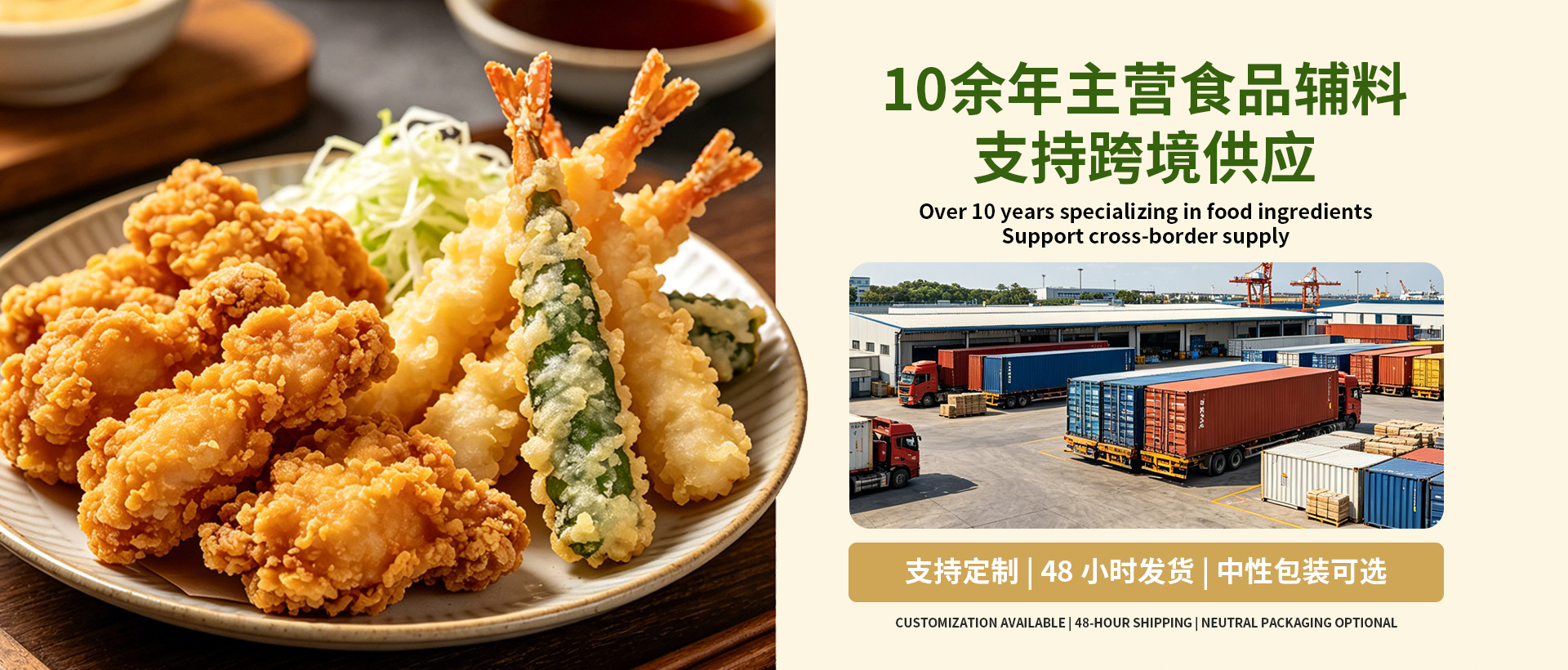

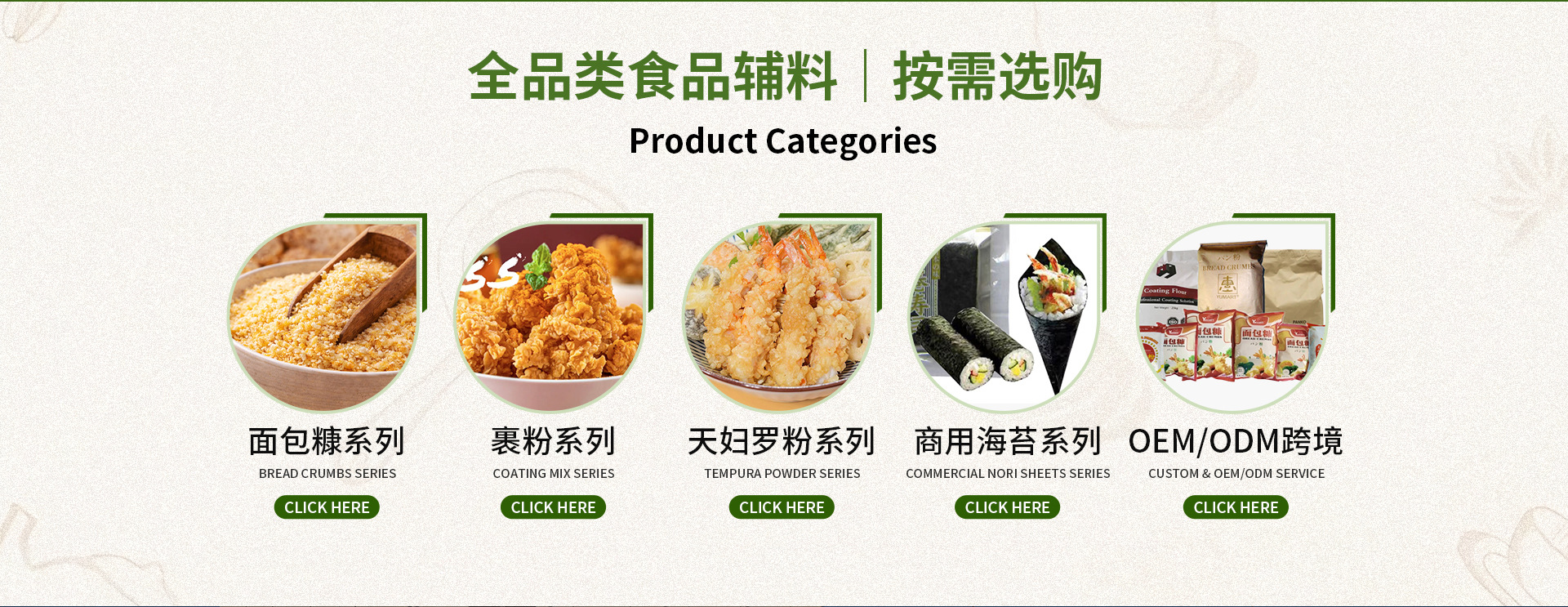
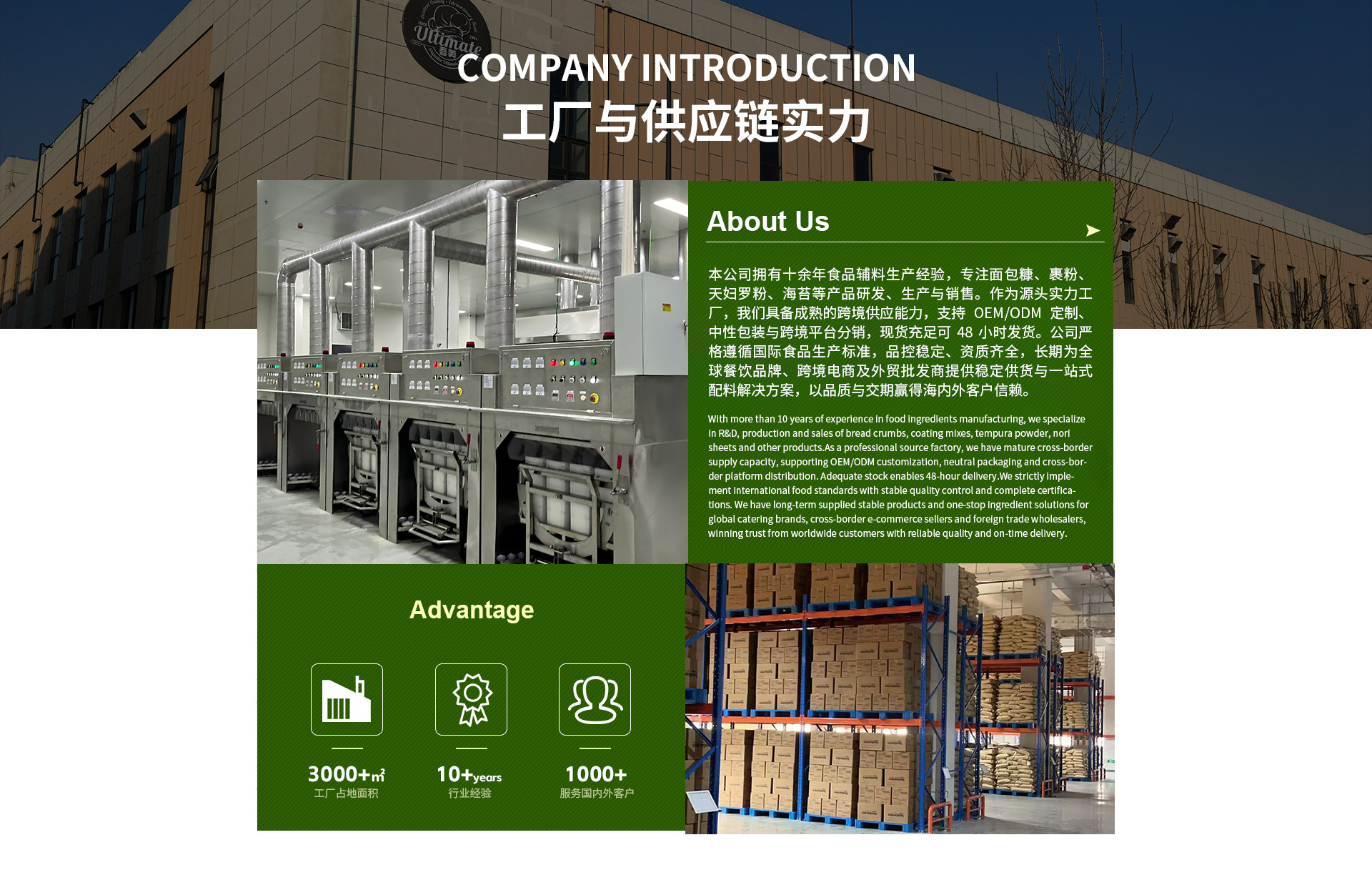
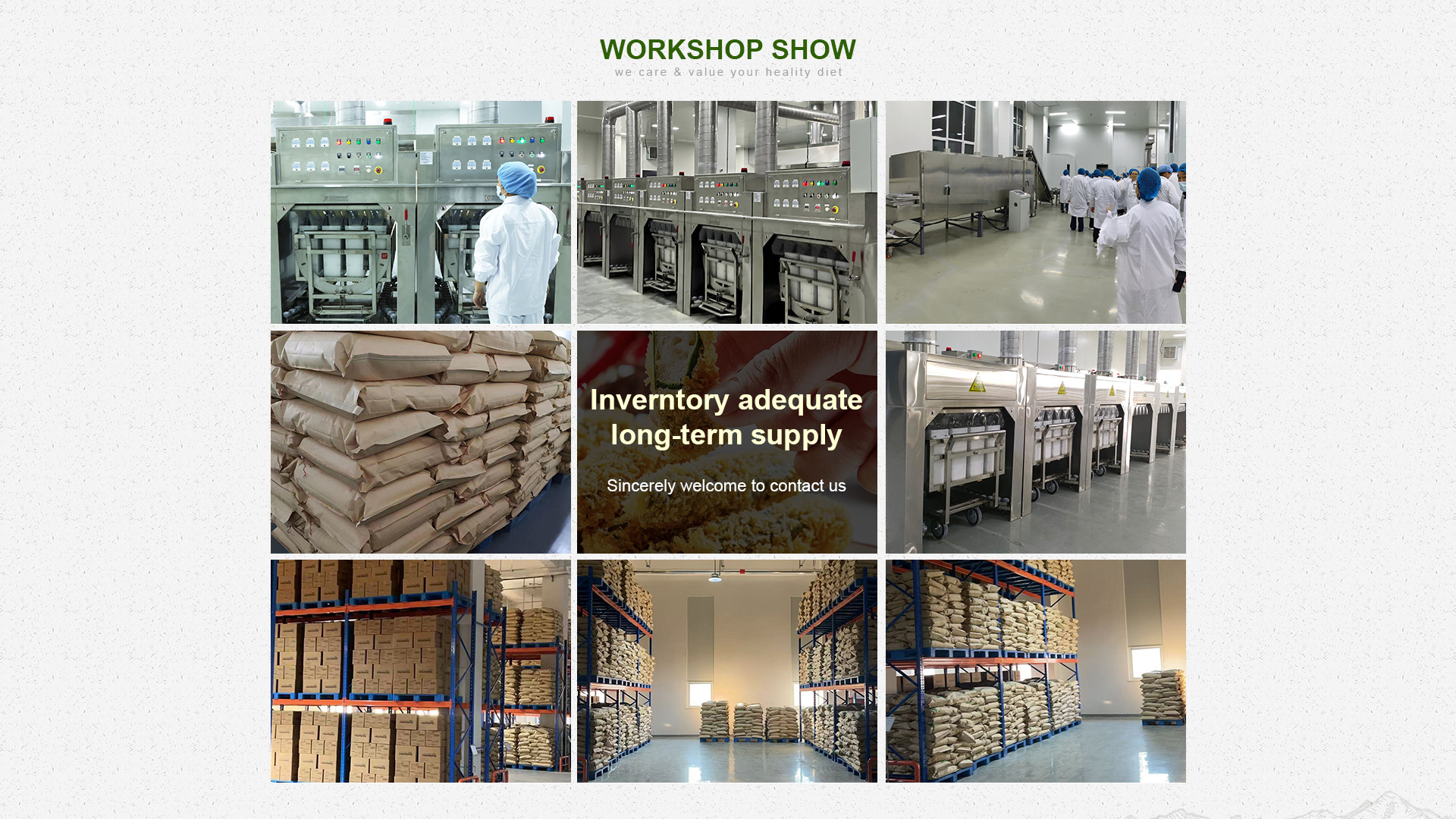

In addition to raw food materials, our parent group leverages advanced metal fabrication, electronics, and assembly infrastructure to supply key processing machinery. This includes industrial-grade noodle machines and ice cream machinery. Providing both processing equipment and raw ingredient inputs allows us to support food processing startups and established industrial operators in Mexico City with comprehensive, turnkey solutions.
Comprehensive B2B bulk supply solutions designed for large-scale operations in Mexico City and regional distribution networks.
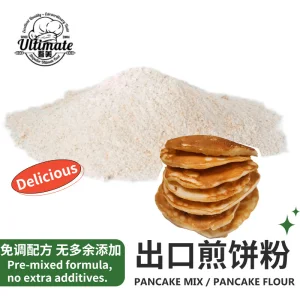
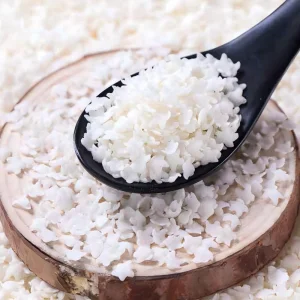
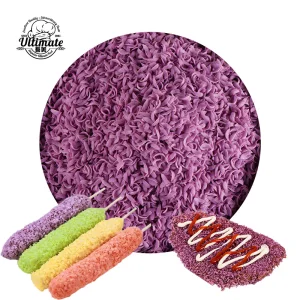
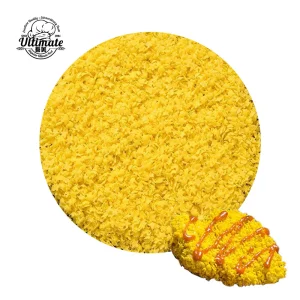
From raw agricultural sourcing to tailored starch modification: meeting the standards of Mexico’s leading industrial food companies.
Dehydrated vegetables (including white onion flakes, toasted minced garlic, and red bell peppers) are highly susceptible to micro-biological contamination if raw materials are not dried under controlled conditions. Our processing facilities utilize multi-stage hot-air drying tunnels paired with optical sorting technology to remove physical contaminants (such as hair, stones, and plant stems).
For exports targeted at Mexico City, we conduct comprehensive testing protocols covering total plate count (TPC), yeasts, molds, Salmonella, and E. Coli. Each shipment is accompanied by a Certificate of Analysis (COA) confirming pesticide and heavy metal compliance. This documentation helps prevent delays during SENASICA border inspections at Mexican ports of entry.
With the implementation of the Mexican front-of-package labeling scheme (NOM-051 warning stamps), industrial bakeries and food processors must optimize their formulations. We specialize in developing low-sodium breadcrumbs and yeast-free tempura systems that help manufacturers minimize the "Exceso Sodio" (Excess Sodium) warning stamp. This is achieved without compromising the crispy texture or adhesion performance of the final fried product.
Our custom services allow clients to adjust viscosity, hydration ratios, salt content, and color tones (utilizing natural vegetable concentrates instead of synthetic dyes) to align with internal production guidelines.
Essential information regarding logistics, customized manufacturing, regulatory compliance, and supply agreements.
 Baking Supplies