Engineered for high-volume commercial food production lines across Canada. Retains perfect crispness under commercial freezing and frying cycles.
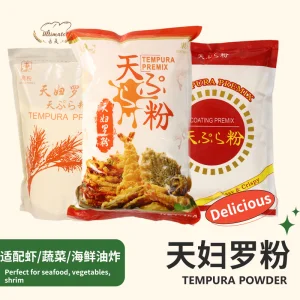
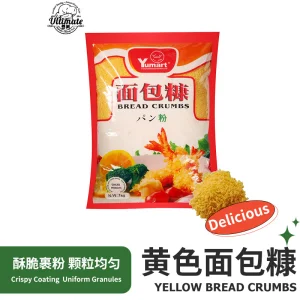
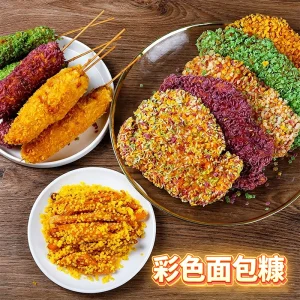
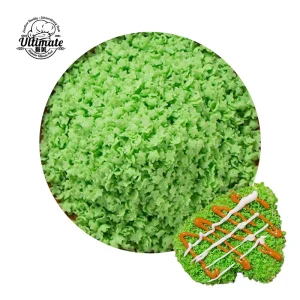
Canada’s food and beverage processing sector is a multi-billion-dollar economic engine, demanding exceptionally high standards for stability, shelf-life, and purity. In regions from Ontario’s food manufacturing hubs to the processing complexes of Quebec and Alberta, manufacturers are actively transitioning toward dry and dehydrated matrices. Traditional raw vegetables present substantial logistics vulnerabilities—high moisture content leads to rapid rot, weight-driven shipping premium rates, and elevated microbial growth risks.
By utilizing industrial-grade dehydrated vegetables and specialized dry coating ingredients (such as panko, batters, and functional frying powders), Canadian food processors dramatically improve processing efficiencies. Minimizing moisture content to precise thresholds ensures compliance with Safe Food for Canadians Regulations (SFCR) while offering clean-label alternatives that preserve natural flavors, dietary fiber, and visual appeal throughout transit and long-term storage.
Modern coating systems do not exist in a vacuum. The global commercial food chain relies on the structural fusion of starches, grain flours, and dehydrated biological elements:
How our smart manufacturing hubs bridge agricultural regions with demanding Canadian industrial buyers through strict quality controls.
Our processing systems are certified under recognized Global Food Safety Initiative (GFSI) schemes. Every batch shipped to Canada is accompanied by comprehensive phytosanitary certificates, microbiological analysis sheets (demonstrating absence of Salmonella and E. coli), and complete traceability paperwork mapped back to the cultivation site.
Leveraging computerized dehydration tunnels, we control moisture activity levels ($a_w$) to below 0.6. This halts biological decay and enzyme activity, extending product storage life up to 24 months without chemical preservatives, simplifying customs clearances at Canadian ports.
Through vacuum bulk packaging and moisture-barrier multi-wall kraft bags, we neutralize the humidity fluctuations typical of maritime shipping. Our products arrive at distribution hubs in Vancouver, Toronto, and Montreal in optimal physical condition, ready for the assembly line.
A deep dive into our advanced dehydration methods, color-sorting algorithms, and manufacturing line execution.
Maintaining the nutritional density, color index, and functional structure of vegetables (such as onions, bell peppers, carrots, and spinach) requires thermal control. Conventional high-heat drying destroys fragile carotenoids and chlorophyll molecules, yielding dull, flavorless powders. Our factory employs a low-temperature, multi-stage convective air drying process alongside state-of-the-art freeze-drying systems.
Optical sorting machines isolate blemishes, ensuring only raw materials with uniform cell structures advance to the slicing and dehydration phase.
Thermal zones scale down gradually from 75°C to 50°C. This avoids "case hardening"—a defect where the outer skin dries too quickly, trapping moisture within the core.
From fine powders to coarse flakes, our clean-room milling systems yield precise particle size distribution (PSD) tailored to client requirements.
Combining heavy food processing machinery with automated ingredient processing. Our manufacturing capabilities extend from automated extrusion to packaging operations.
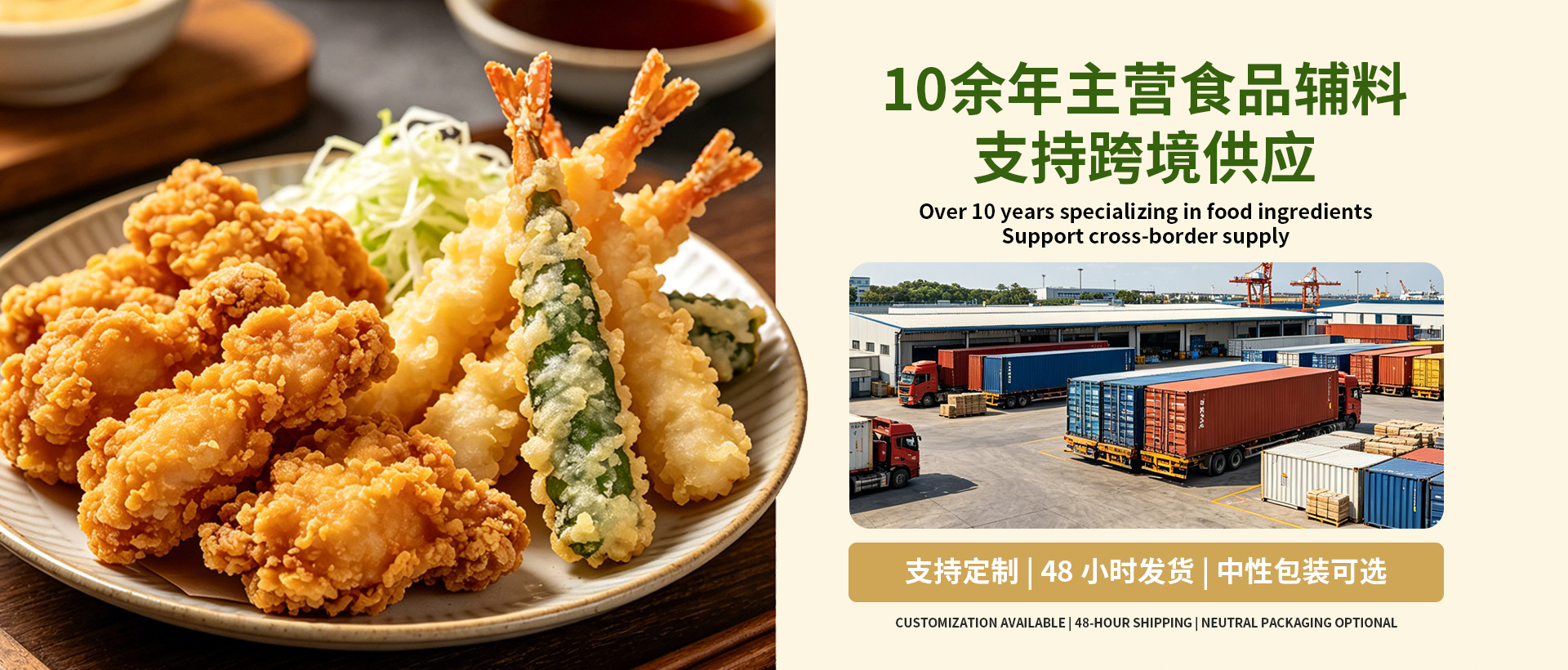

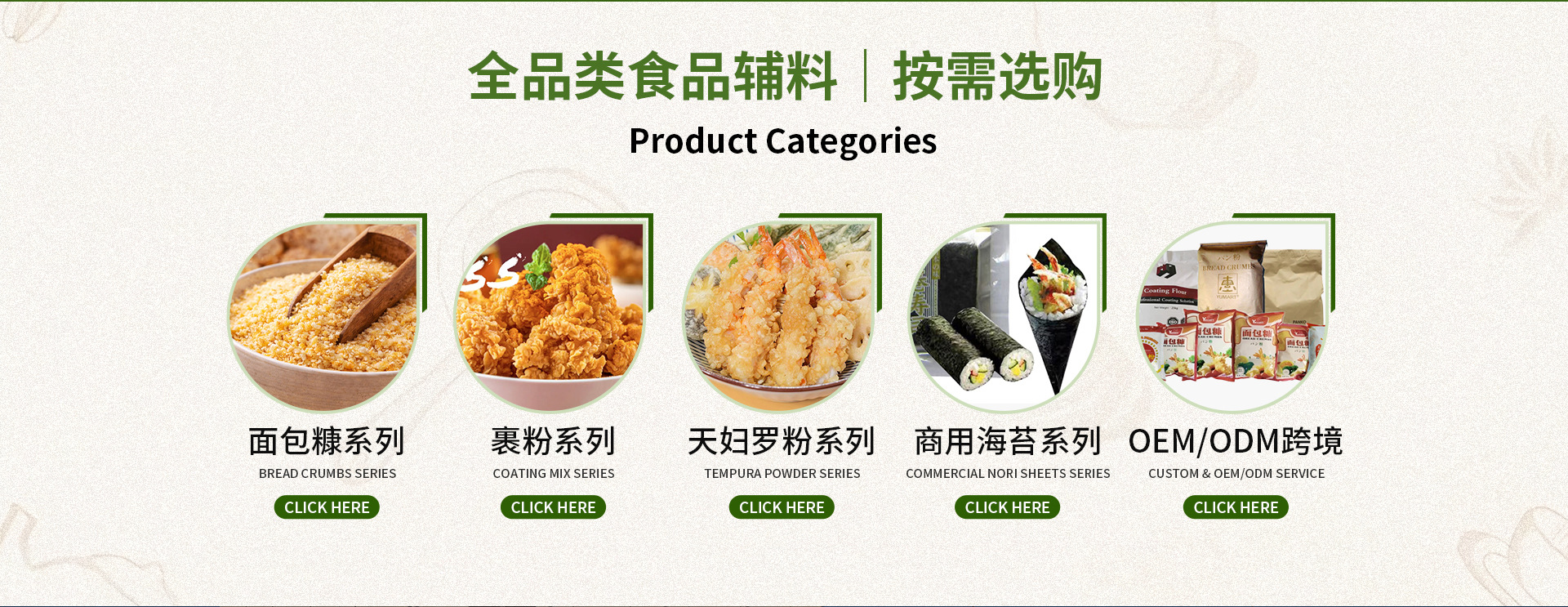
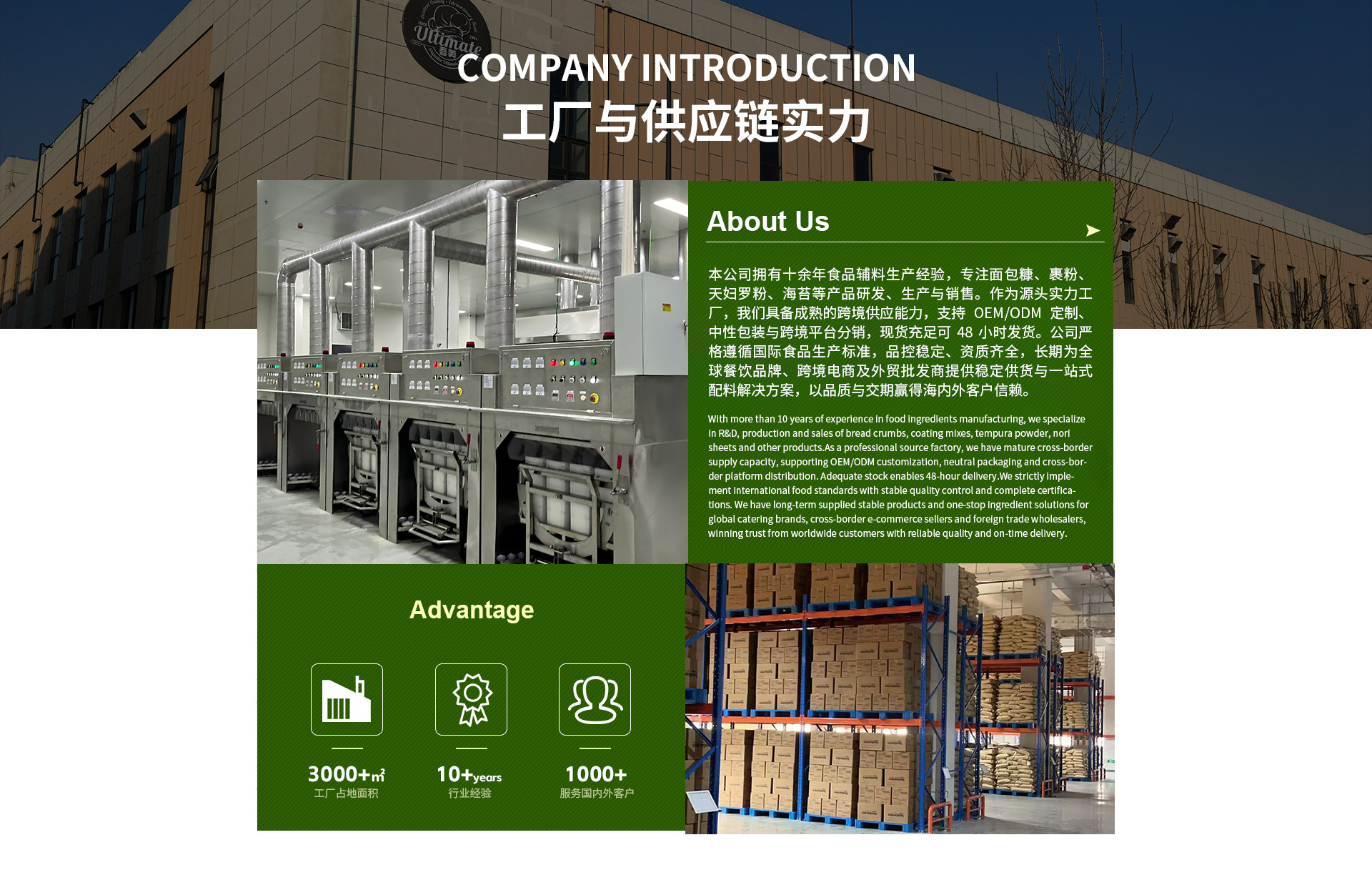
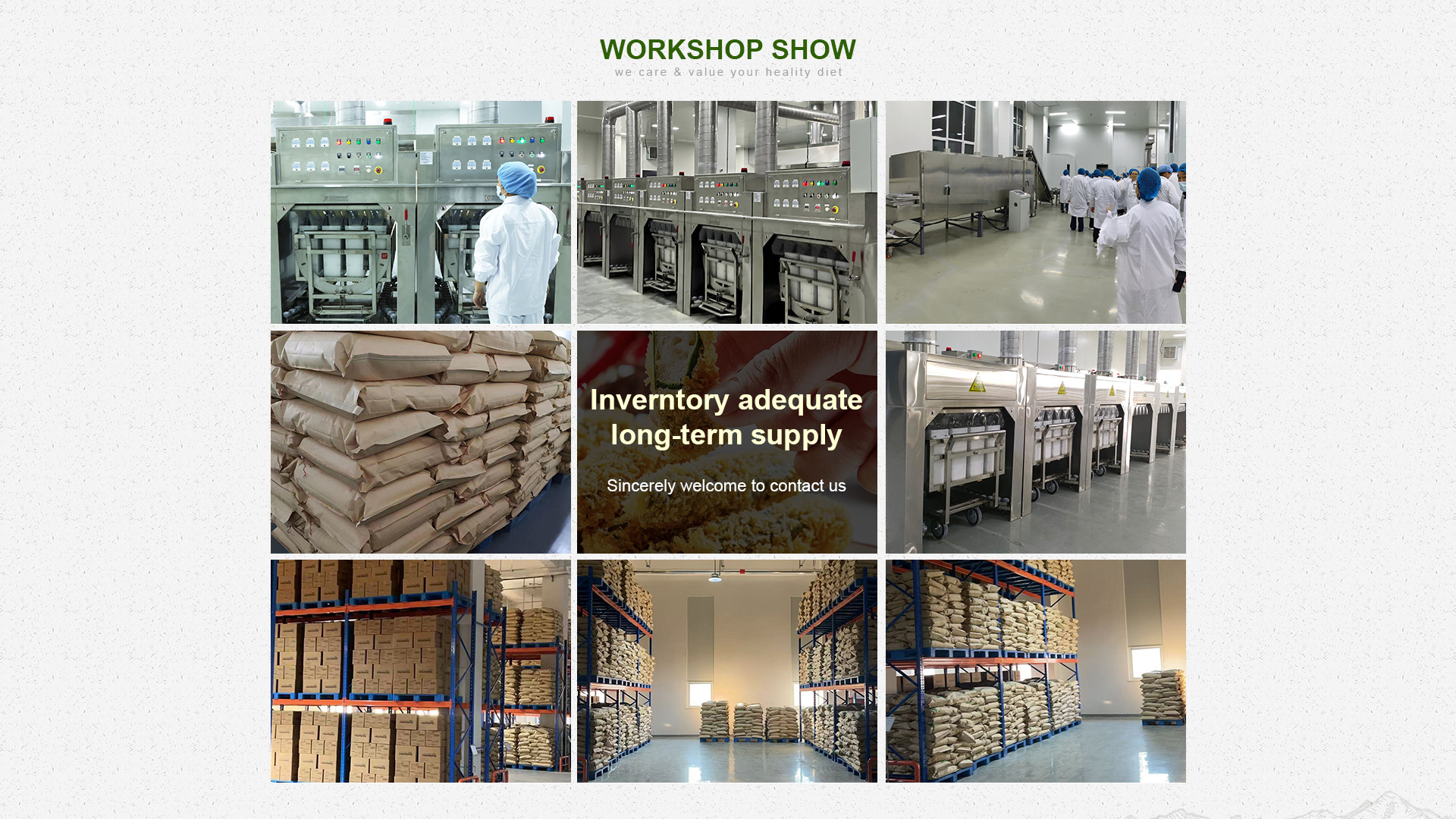

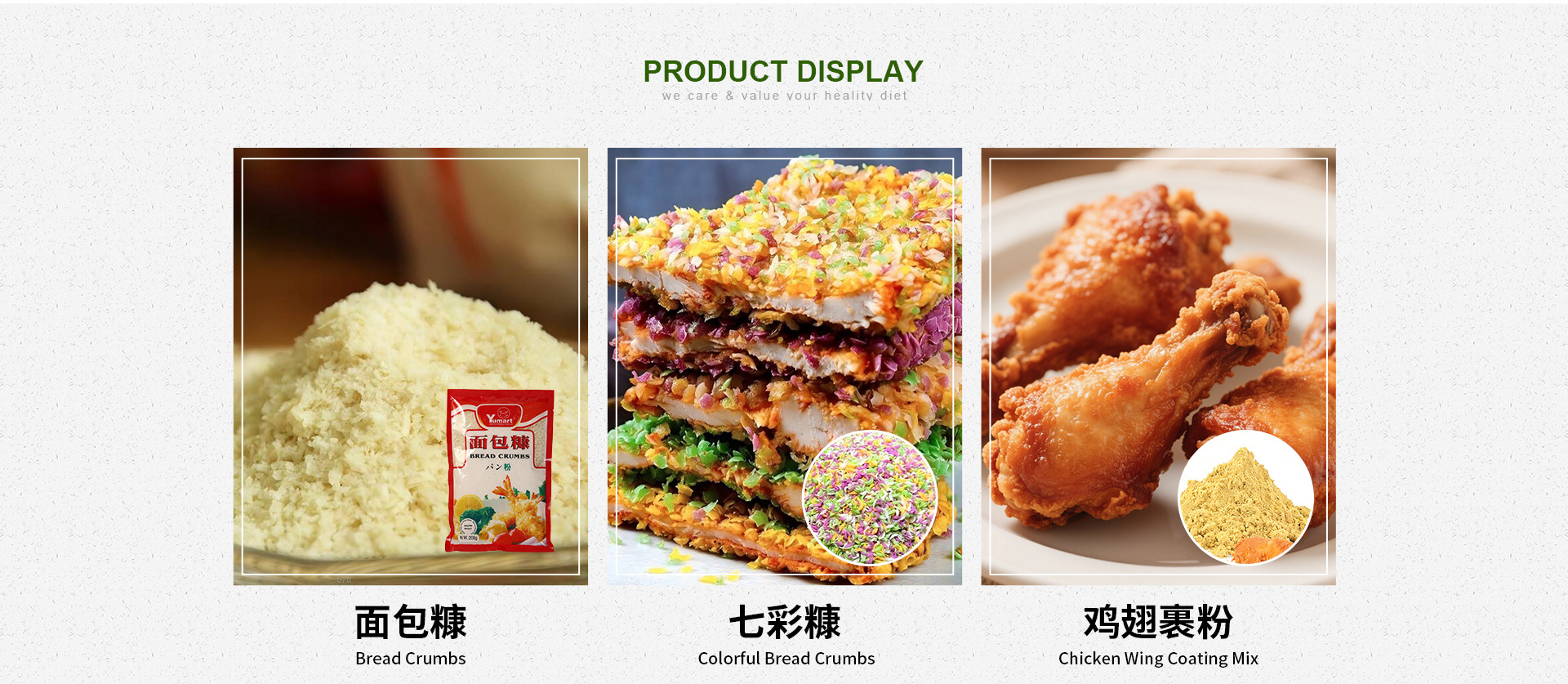
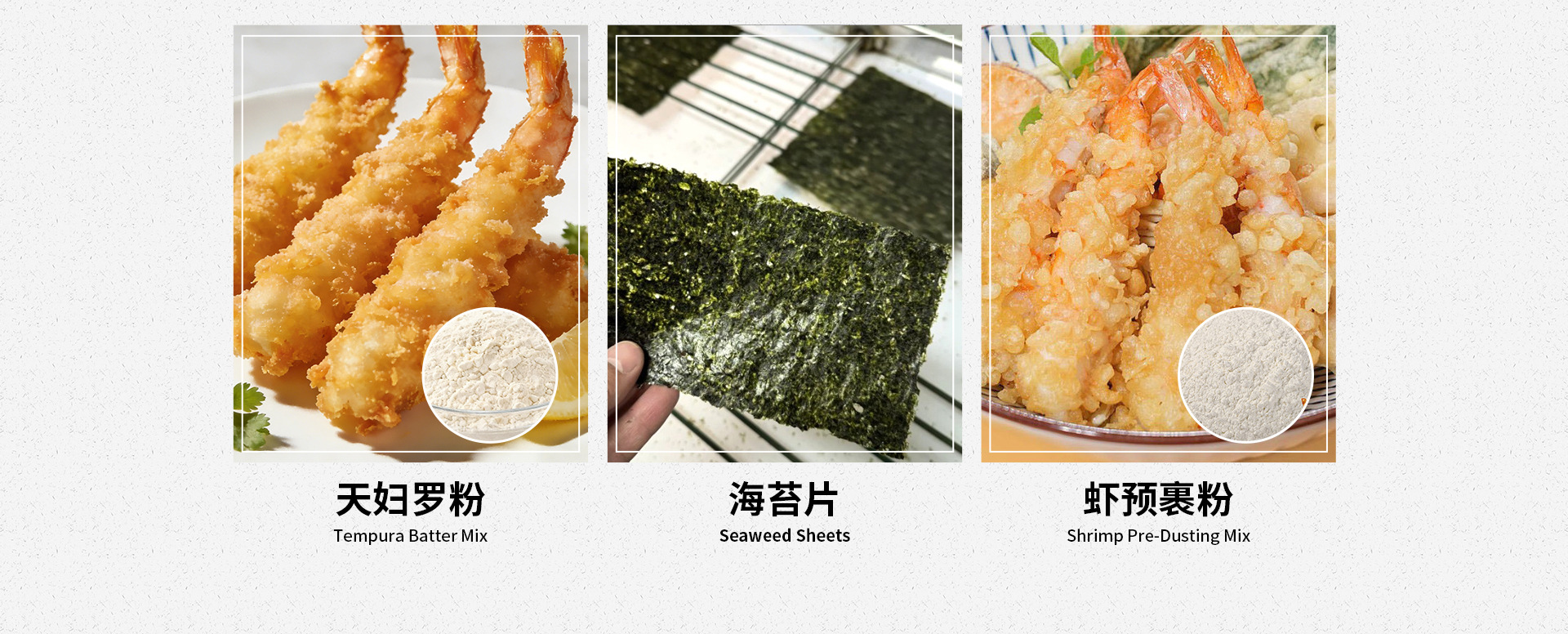
Optimized for food processing environments. Available in commercial quantities for major food service lines across Canada.
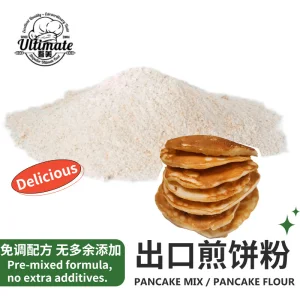


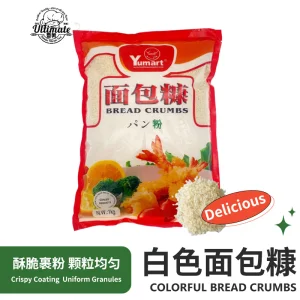

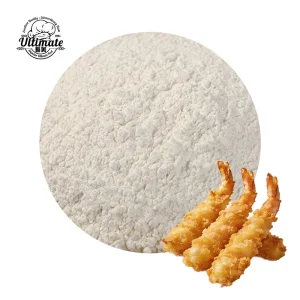


Direct technical explanations addressing compliance, moisture preservation, shipping, and formulation customization for the Canadian market.
Connect with our engineering and logistics specialists to request technical data sheets, custom quotes, or physical sample packs.
Send Inquiry Now Baking Supplies