Engineered specifically to endure high-humidity commercial kitchens and high-throughput automated frying systems across India.
The food processing industry in India is undergoing a monumental shift, growing at an average annual rate of over 8.4%. High-quality dehydrated vegetables and premium baking ingredients have transformed from simple raw commodities into highly engineered, performance-driven solutions. With the rapid expansion of India's organized food service sector (QSRs), rapid urbanization, and a surging consumer preference for convenience foods, local manufacturers face a critical challenge: achieving structural texture integrity and biological stability under the country's unique subcontinental climatic conditions.
Historically, the Indian market relied on traditional air-dried dehydrated vegetables, which frequently suffered from low rehydration rates, color degradation, and high microbiological loads. Modern food processing demands a shift toward advanced dehydration methodologies (such as low-temperature vacuum dehydration and Fluidized Bed Drying) to preserve the volatile aromatic profiles, natural pigmentation, and structural cells of critical crops like onions, garlic, carrots, and green bell peppers.
Globally, the market for dehydrated vegetables and structured baking/coating ingredients is projected to surpass USD 12.5 billion by 2028. For Indian processors exporting finished curries, masalas, and ready-to-eat (RTE) meals to North America, the Middle East, and Europe, compliance with global food safety standards (GFSI, HACCP, ISO 22000) is non-negotiable. Sourcing ingredients that exhibit zero bacterial contamination, controlled water activity (Aw < 0.3), and zero pesticide residues is paramount. This necessitates strong partnerships with global ingredient manufacturers who possess integrated farming systems and cutting-edge industrial dehydration technology.
Strict control over yeast, mold, and total plate count (TPC) to ensure shelf stability of spice mixes, instant noodle tastemakers, and quick-service breading blends across all regional distribution channels in India.
Dehydrated ingredients designed to rehydrate completely within 3 minutes under hot water exposure, making them ideal for instant cups, instant poha, and traditional Indian breakfast convenience lines.
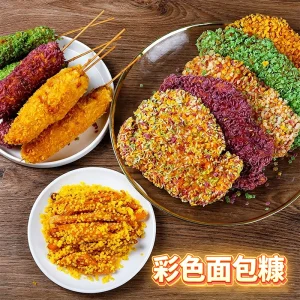
Replacing synthetic food dyes and preservatives with natural, vegetable-derived coloring (beetroot, spinach, turmeric) in crumb coatings and baking premixes to align with FSSAI regulations.
How automation, clean-label formulation, and precision dehydration technology are shaping the next generation of industrial food manufacturing.
The convergence of advanced food engineering and mechanical automation has enabled manufacturers to optimize the physical behavior of ingredients under stress. The industry is moving rapidly toward a multi-phase technology paradigm:
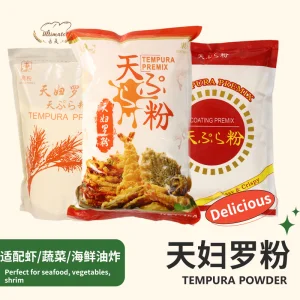
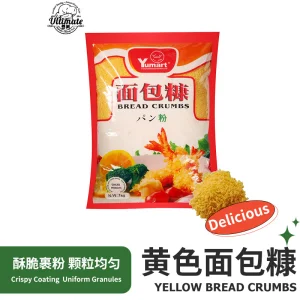
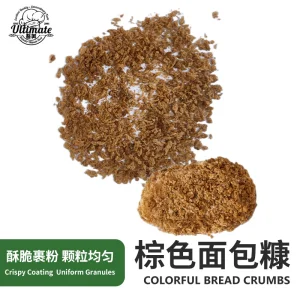
Our commitment to R&D ensures that all raw materials are optimized for modern commercial food prep lines. For example, our Tempura Batter Powders and Panko Breadcrumbs are engineered with specific porosity indexes. This control allows moisture to escape efficiently during deep-frying while preventing excessive oil absorption, preserving the product's crunch even under hot holding lamps in high-humidity climates like Mumbai, Chennai, and Kolkata.
Bridging the gap between traditional food formulas and modern large-scale manufacturing lines.
Dehydrated carrots, green beans, cabbage, onions, and spring onion flakes designed for automated multi-head packaging machines. Formulated for quick rehydration, vibrant color retention, and physical integrity during automated filling.
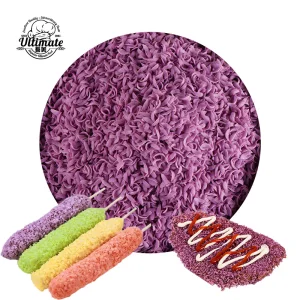
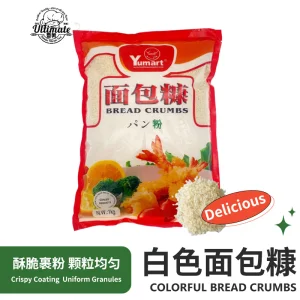
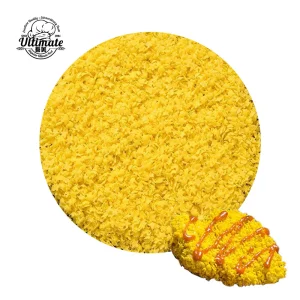
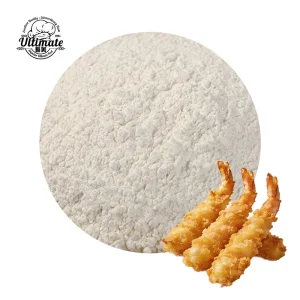
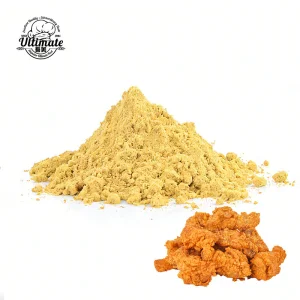
Utilizing high-performance white and yellow panko breadcrumbs alongside specialized predust and batter powders to create moisture barriers. Ensures frozen breaded snacks remain crisp for 40+ minutes after frying.
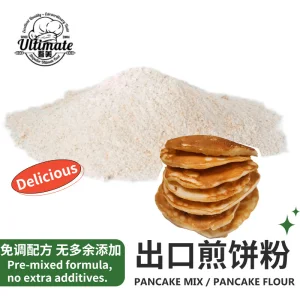
High-grade commercial pancake mixes, customized dosa-style crepe premixes, and sweet potato starches designed for industrial bakeries and large-scale catering providers seeking consistent flavor and structure.
A major bottleneck for Indian food processors is the misalignment between ingredient specs and processing equipment. If flour starch damage is too high, it can clog noodle rollers; if breadcrumbs lack structural density, they break apart in automated enrobers. By leveraging our deep manufacturing expertise, we provide holistic ingredient and hardware solutions, helping clients configure their processing lines to match the raw material behavior perfectly.
Beijing Haining Times Technology Co., Ltd. is a premier manufacturing source specializing in commercial food preparation equipment, industrial snack processing units, and high-volume commercial kitchen machinery.
Our manufacturing facility keeps a constant, large-scale inventory of industrial noodle-making machinery, commercial ice cream dispensers, and automatic food coating equipment. This allows us to respond quickly to international B2B inquiries and ensure reliable delivery schedules. We provide comprehensive OEM/ODM customization services to adapt mechanical specifications (such as voltage, capacity, and automation interfaces) to local Indian operating environments. Our robust manufacturing supply chain guarantees that commercial food operators can scale up production with matching ingredients and machinery under one unified quality control standard.
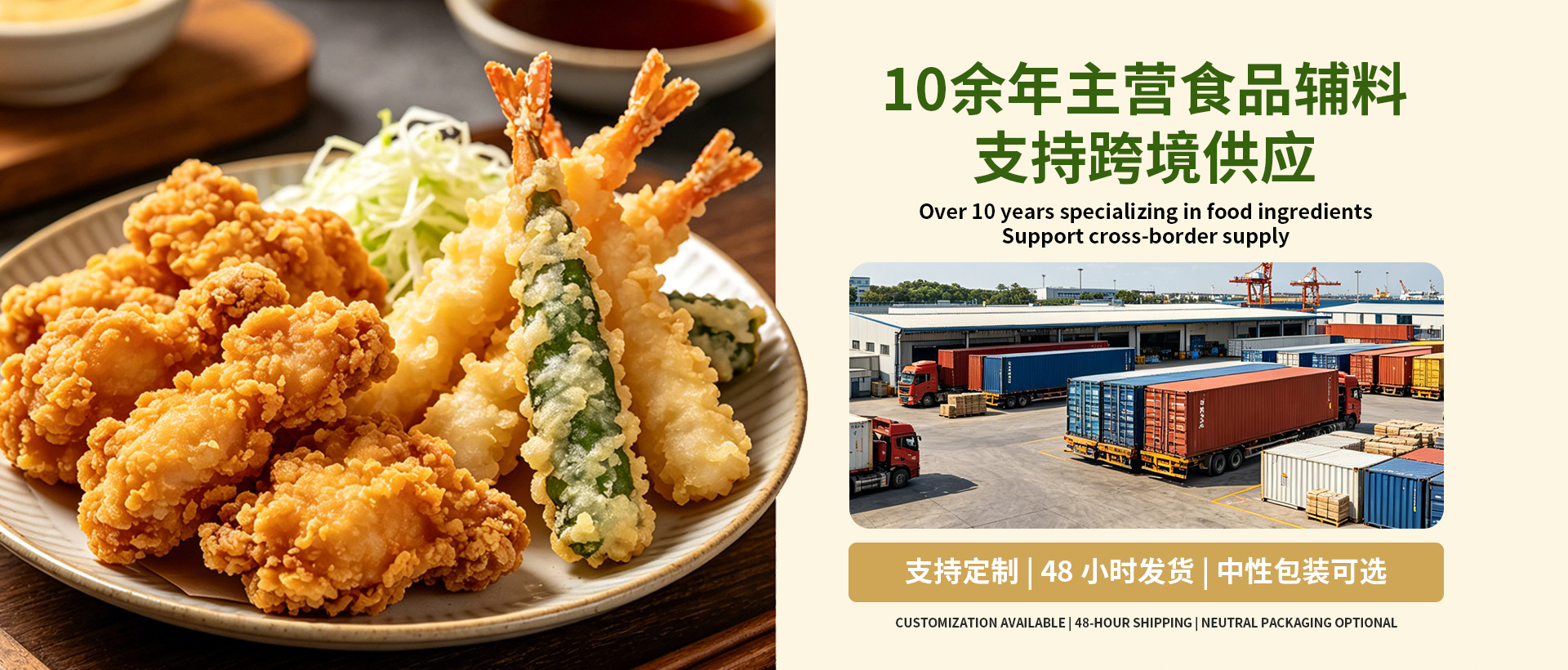

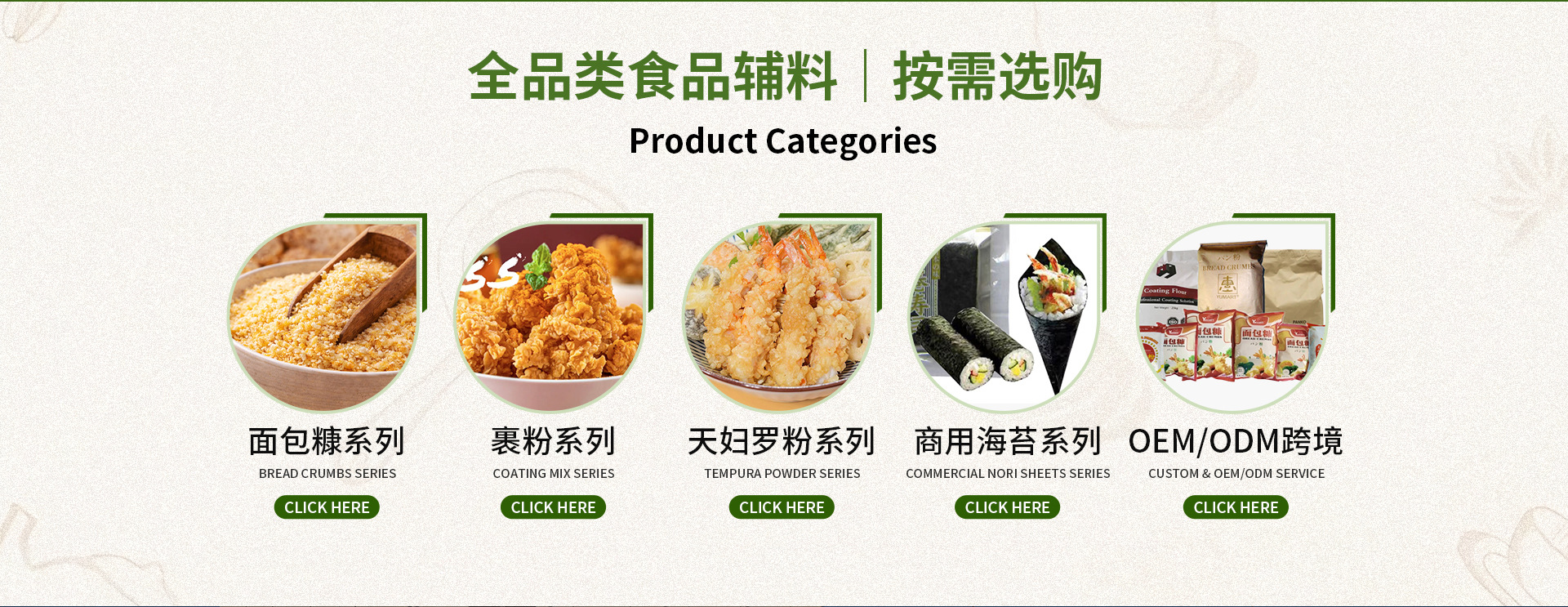
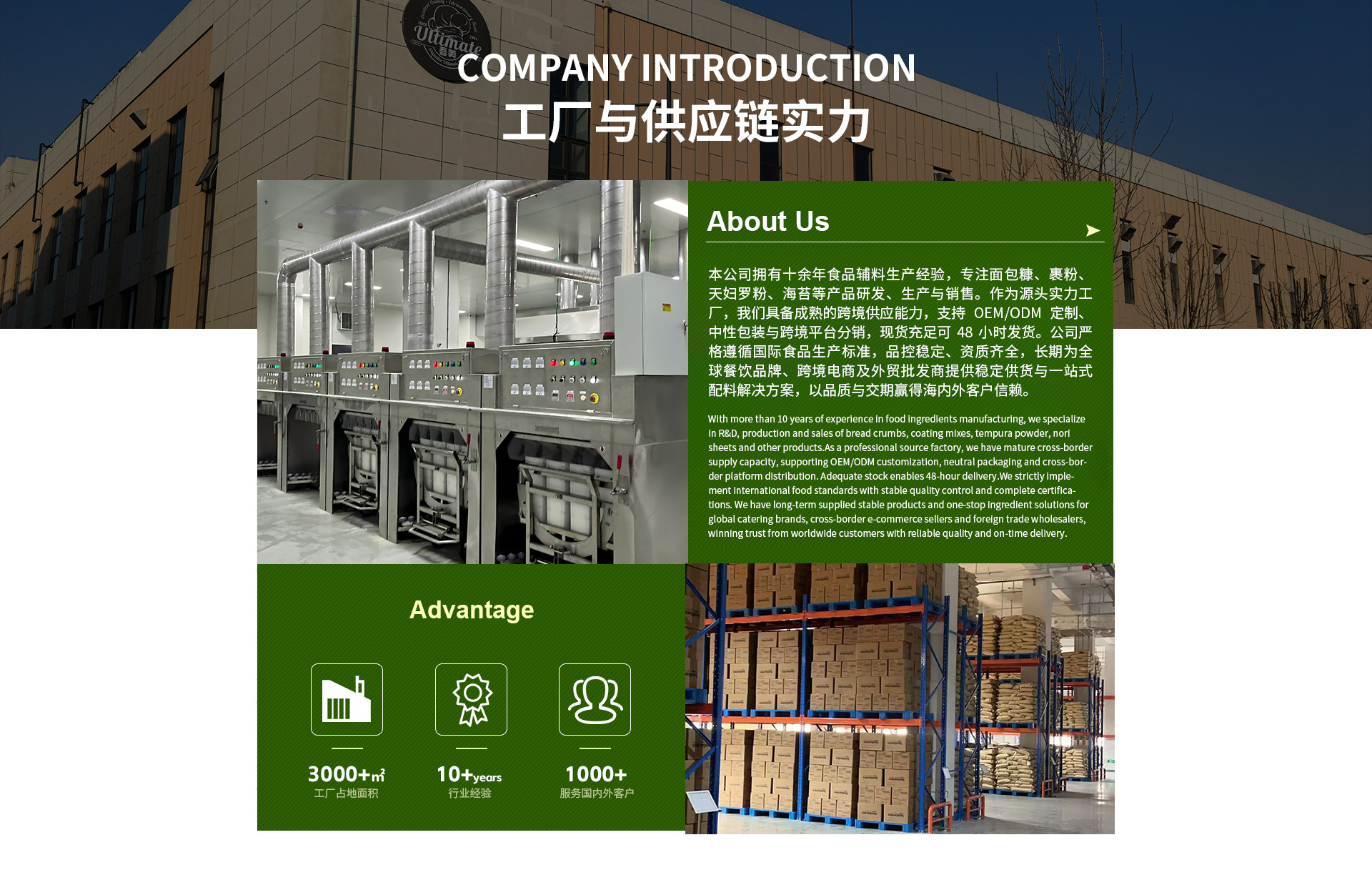
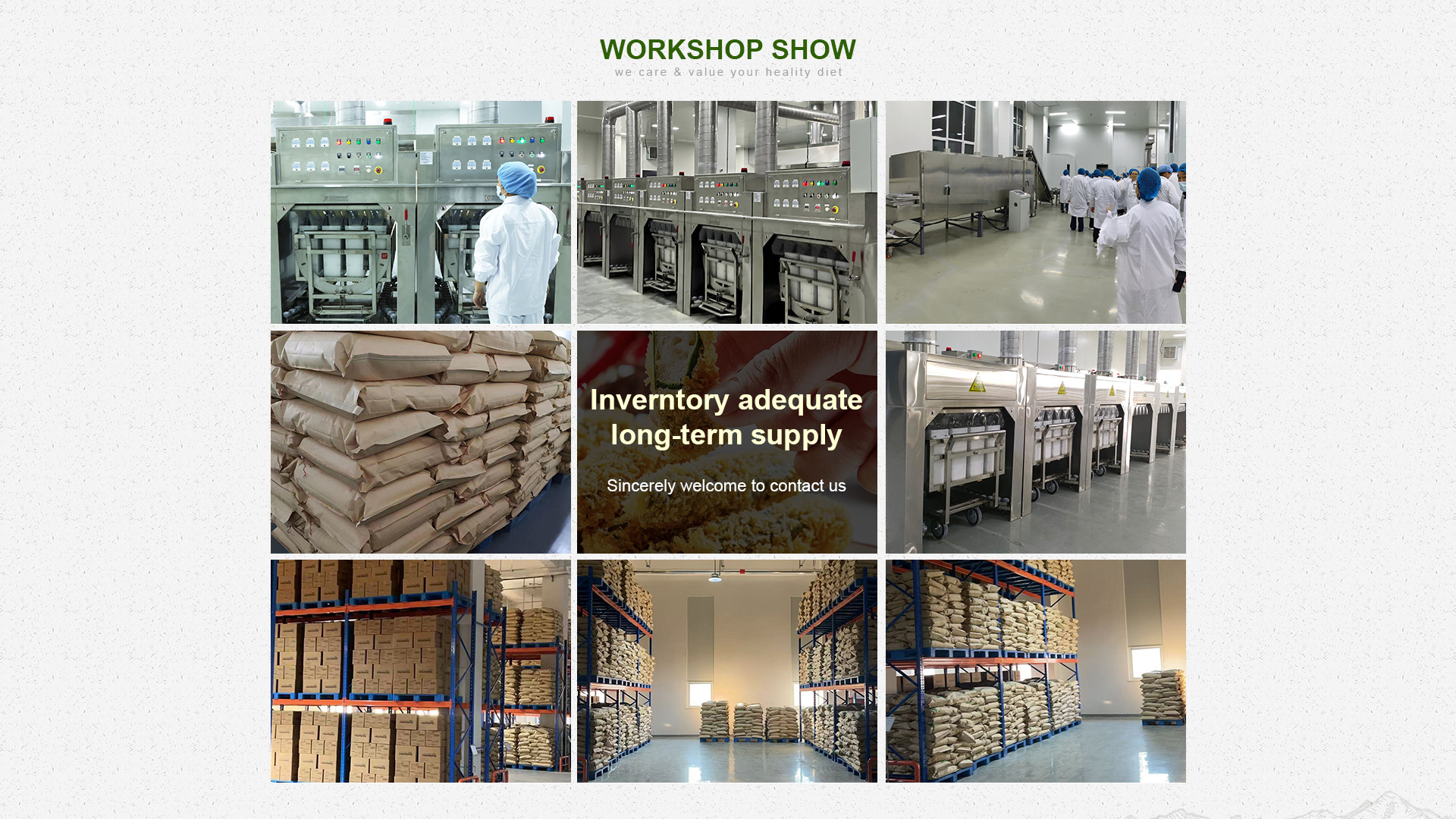
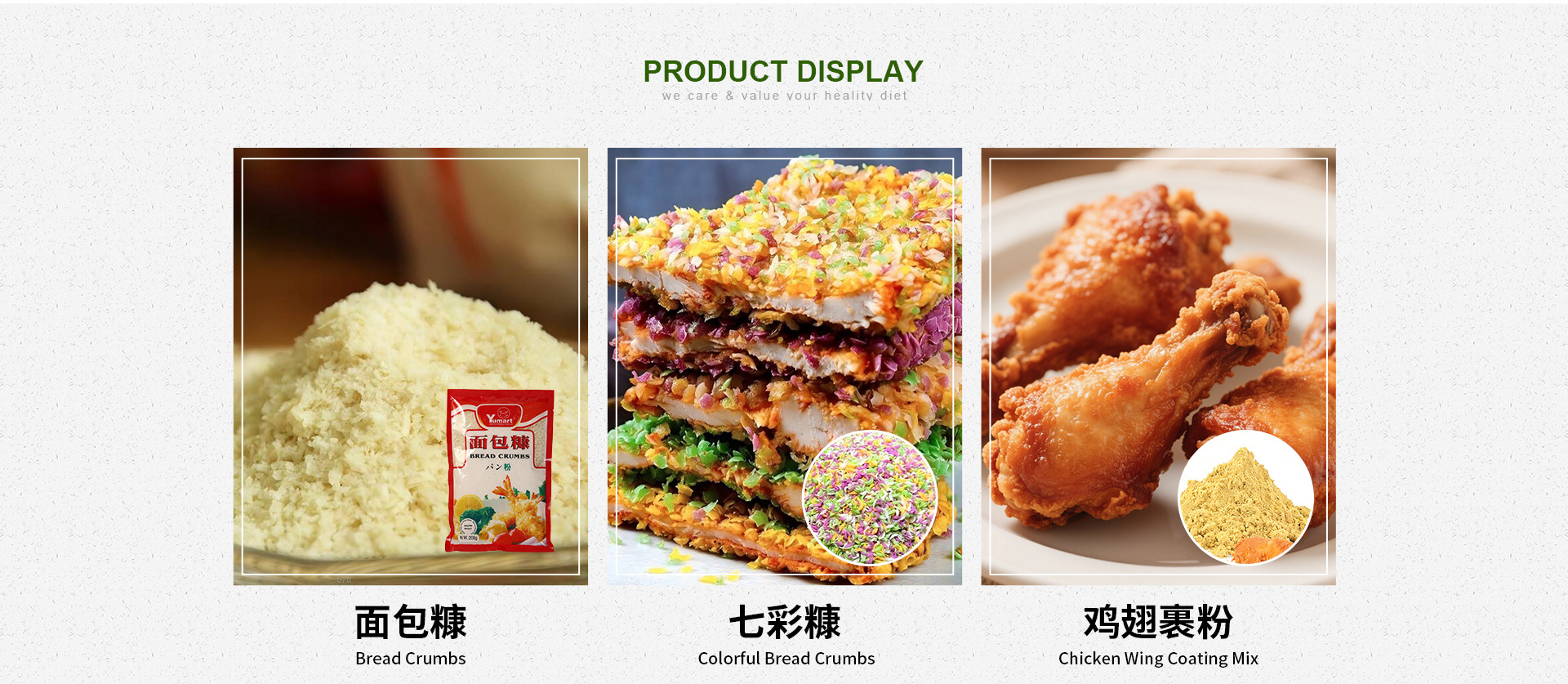
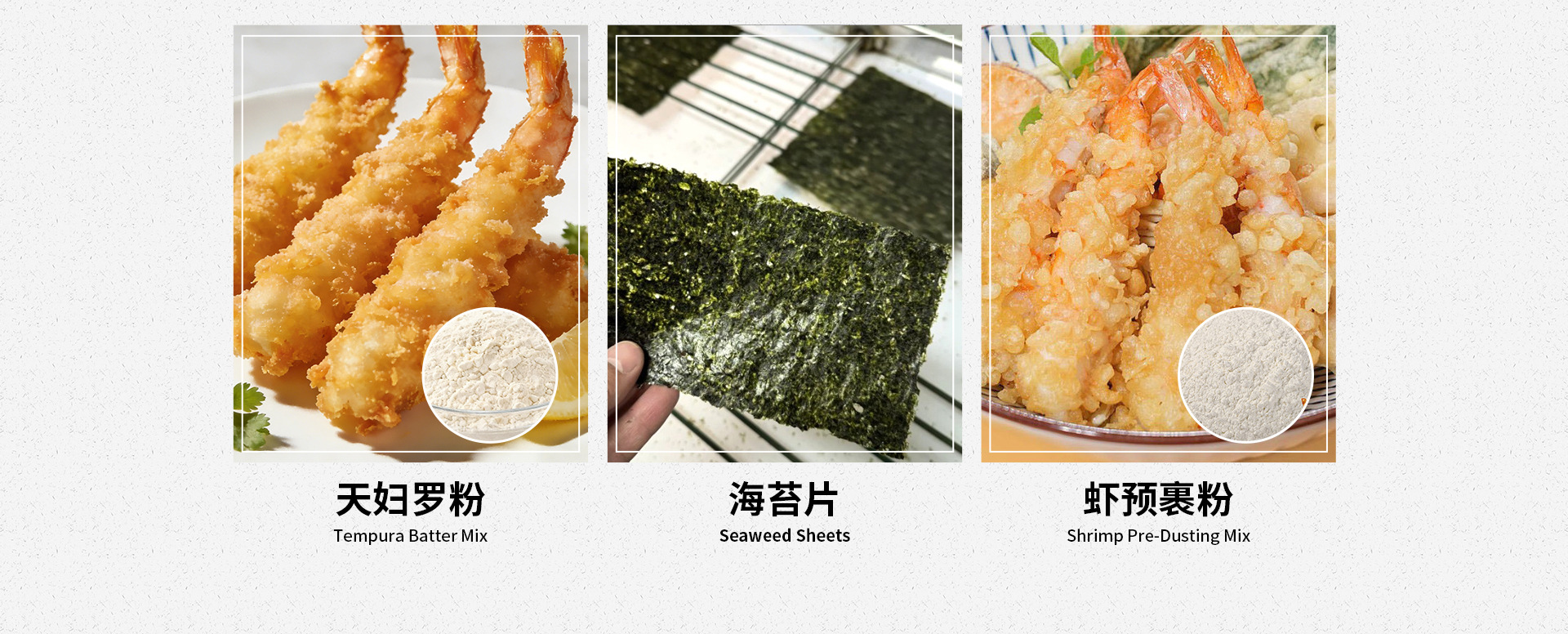
Direct manufacturer supply available in 10kg, 20kg, and 25kg bulk configurations, designed to survive industrial processing and transport.

Get answers to critical technical questions regarding food regulations, supply chain reliability, formulation engineering, and equipment integration.
Consult our food application engineers to customize your recipe, adjust moisture behavior, or secure pricing on container-load shipments to major ports in India.
 Baking Supplies