High-grade dehydrated components and breading systems custom-formulated for commercial kitchens, sushi bars, and quick-service operations across Kanto.
The Tokyo Metropolitan Area, home to over 37 million consumers, represents the world's most dense and sophisticated food service ecosystem. Due to extreme land constraints, urban kitchen footprints are highly minimized. Tokyo restaurants, convenience store (Conbini) central kitchens, and food processing factories are rapidly transitioning away from raw, labor-intensive raw agricultural processing to pre-engineered, highly stable dry ingredients.
Dehydrated ingredients, specialized batter coatings, and premium dried seaweed (Nori) have become critical levers for optimizing back-of-house efficiency. By adopting advanced water activity (aw) control technology and optimized bulk-pack sizes (10kg-25kg), Tokyo food manufacturers are able to secure stable raw material pricing, eliminate moisture-induced spoilage, and strictly conform to Japanese waste reduction regulations (Food Recycling Act).
Furthermore, Tokyo's acute labor shortage within the catering and food manufacturing sectors is accelerating the integration of automated commercial kitchen machinery. Equipment that streamlines dough processing, automated noodle extrusion, and high-efficiency ice cream production must operate in unison with predictable, standardized dry mix ingredients.
Modern food factories require a holistic approach. We bridge the gap between high-performance coating powders and industrial food-forming machinery to optimize yield rates.
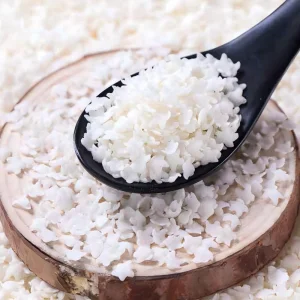
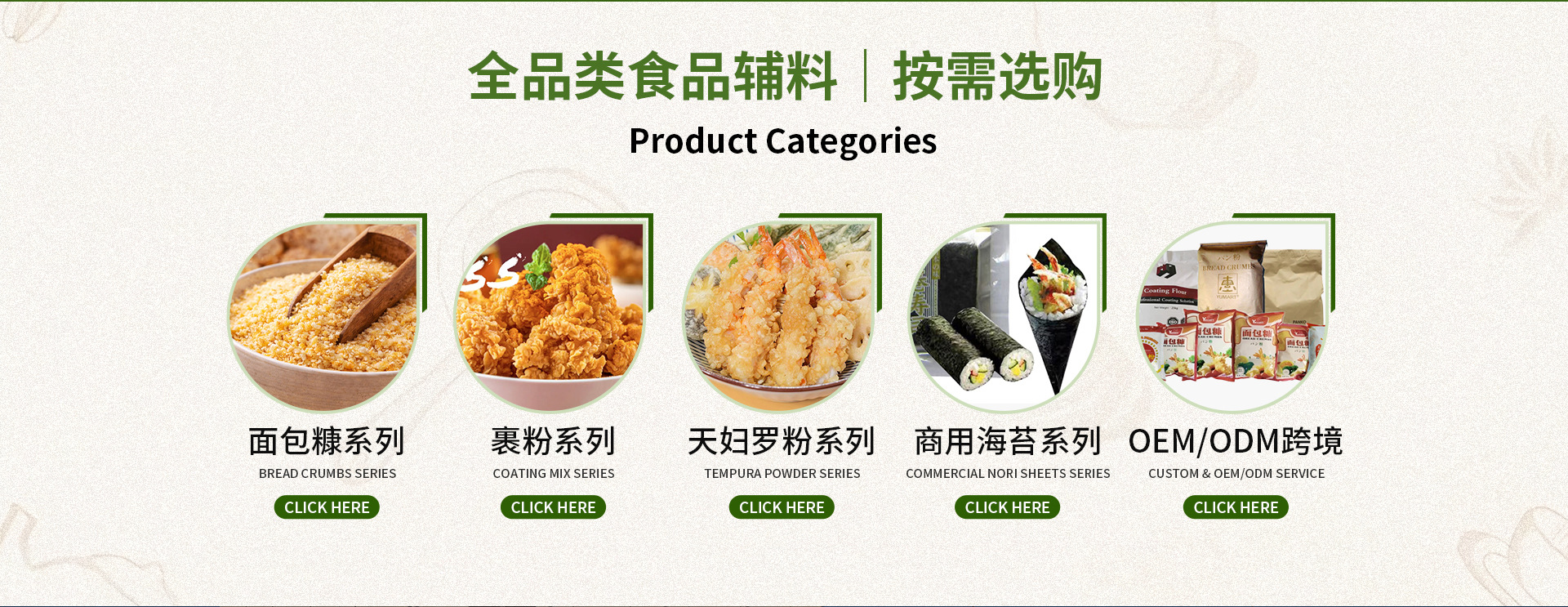
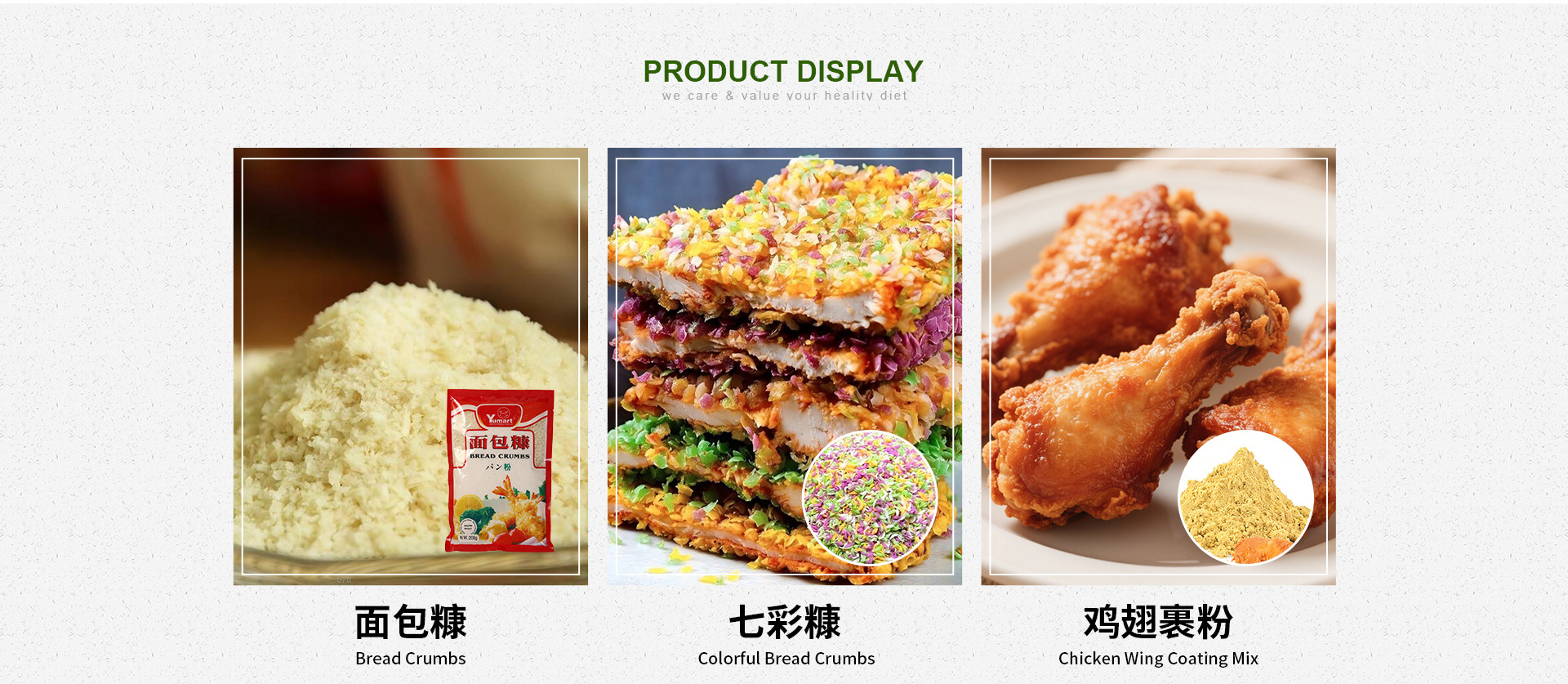
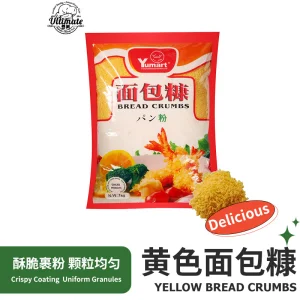
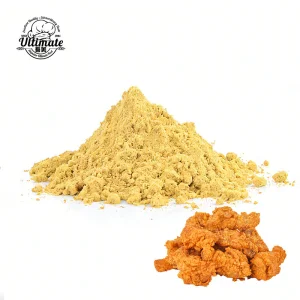
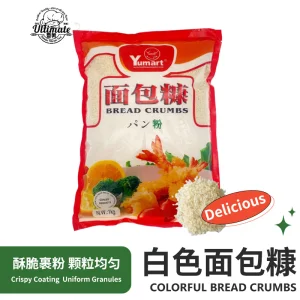
Our breadcrumbs (Panko) and tempura pre-dusts are engineered for optimal oil absorption and crispness retention under holding lamps, specifically designed for Tokyo's convenience store bento boxes.
Our manufacturing sister facilities produce commercial noodle machines and soft-serve systems, ensuring that our flour blends and pancake mixes feed through automated hoppers without clogging.
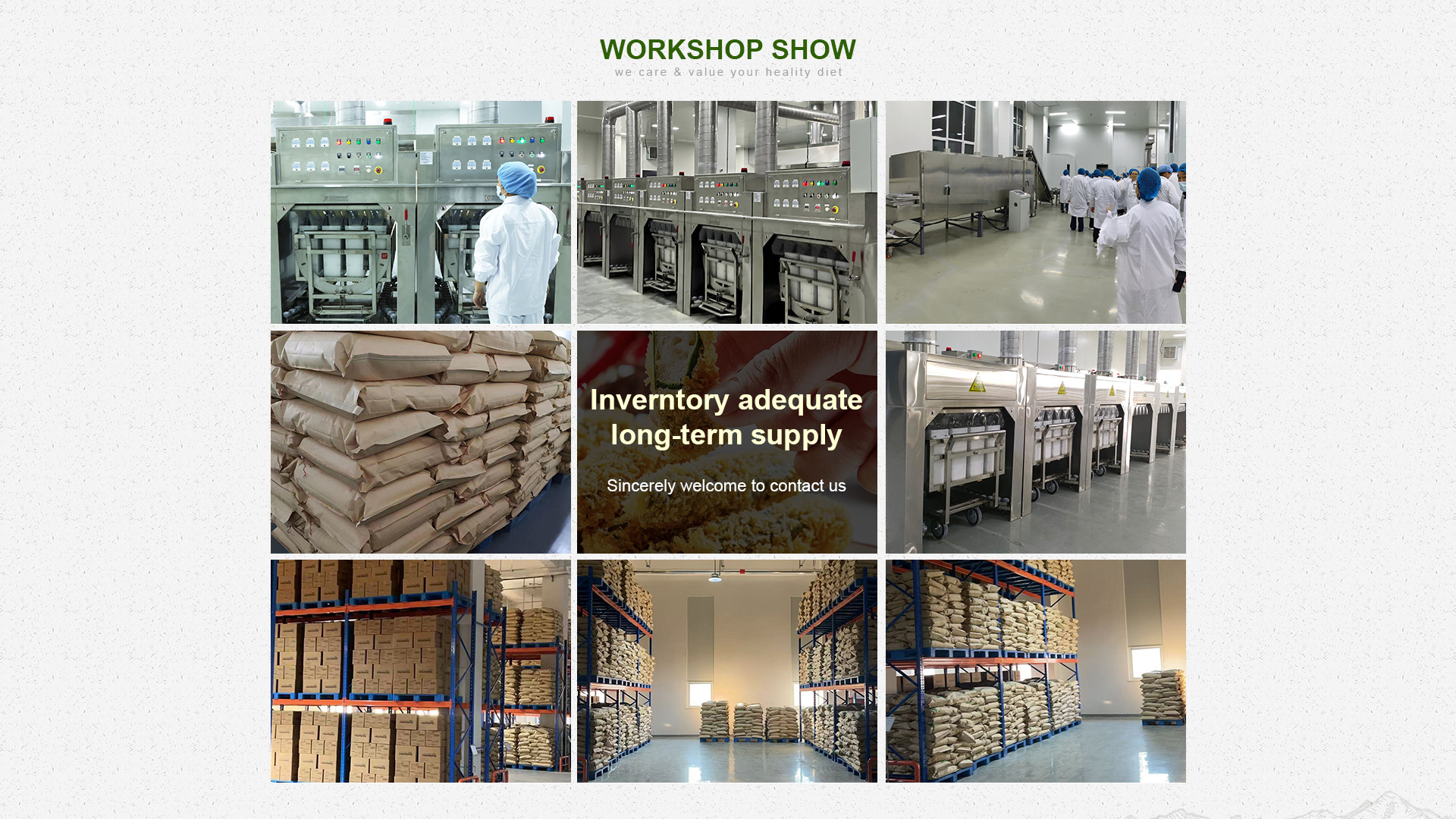
All machinery and physical dry ingredients strictly conform to Japanese MHLW sanitization protocols. We provide comprehensive HACCP documentation and metal-detector logs for every batch.
Combining advanced automated commercial kitchen hardware manufacturing with reliable international bulk supply chains.
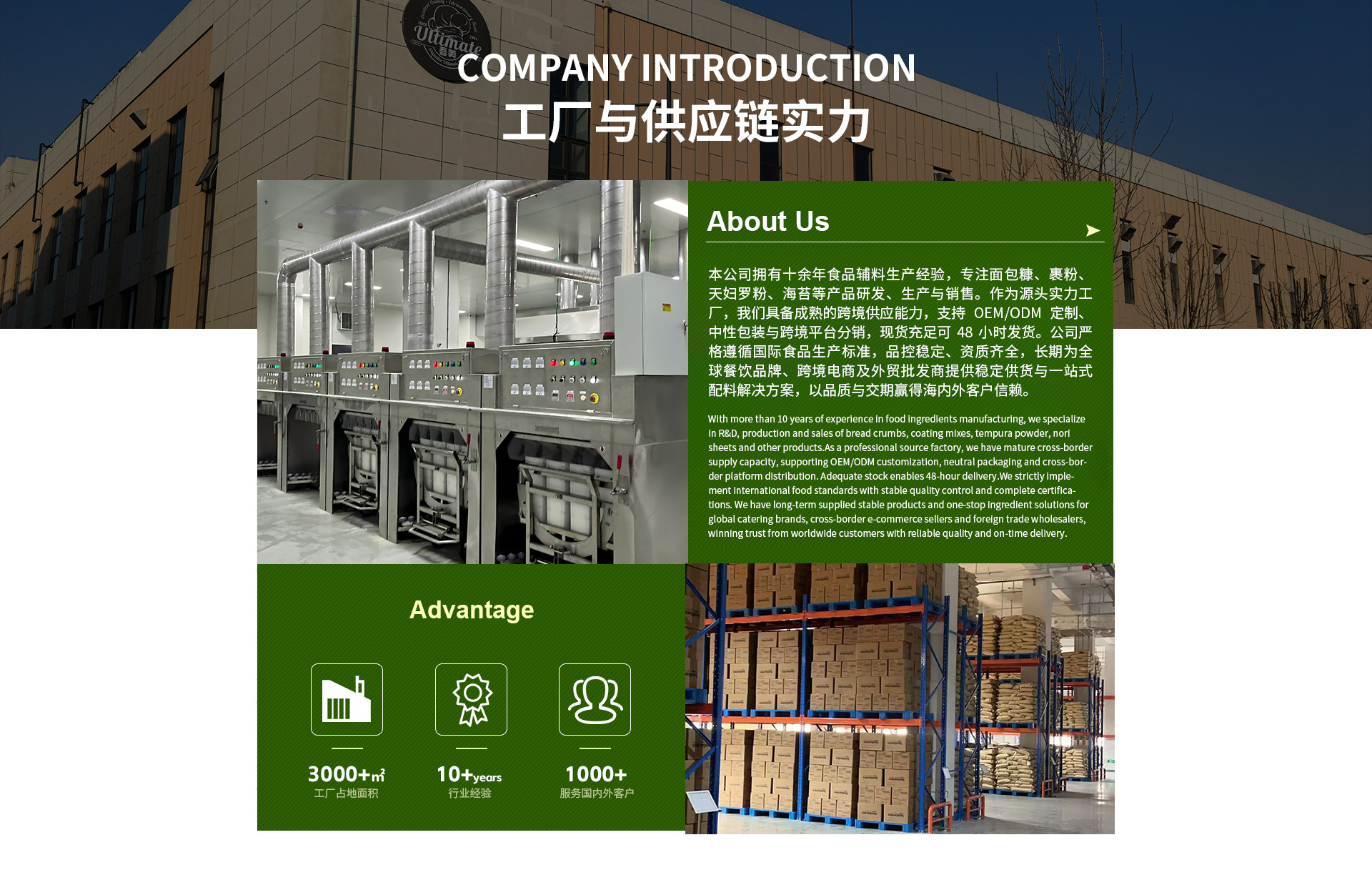
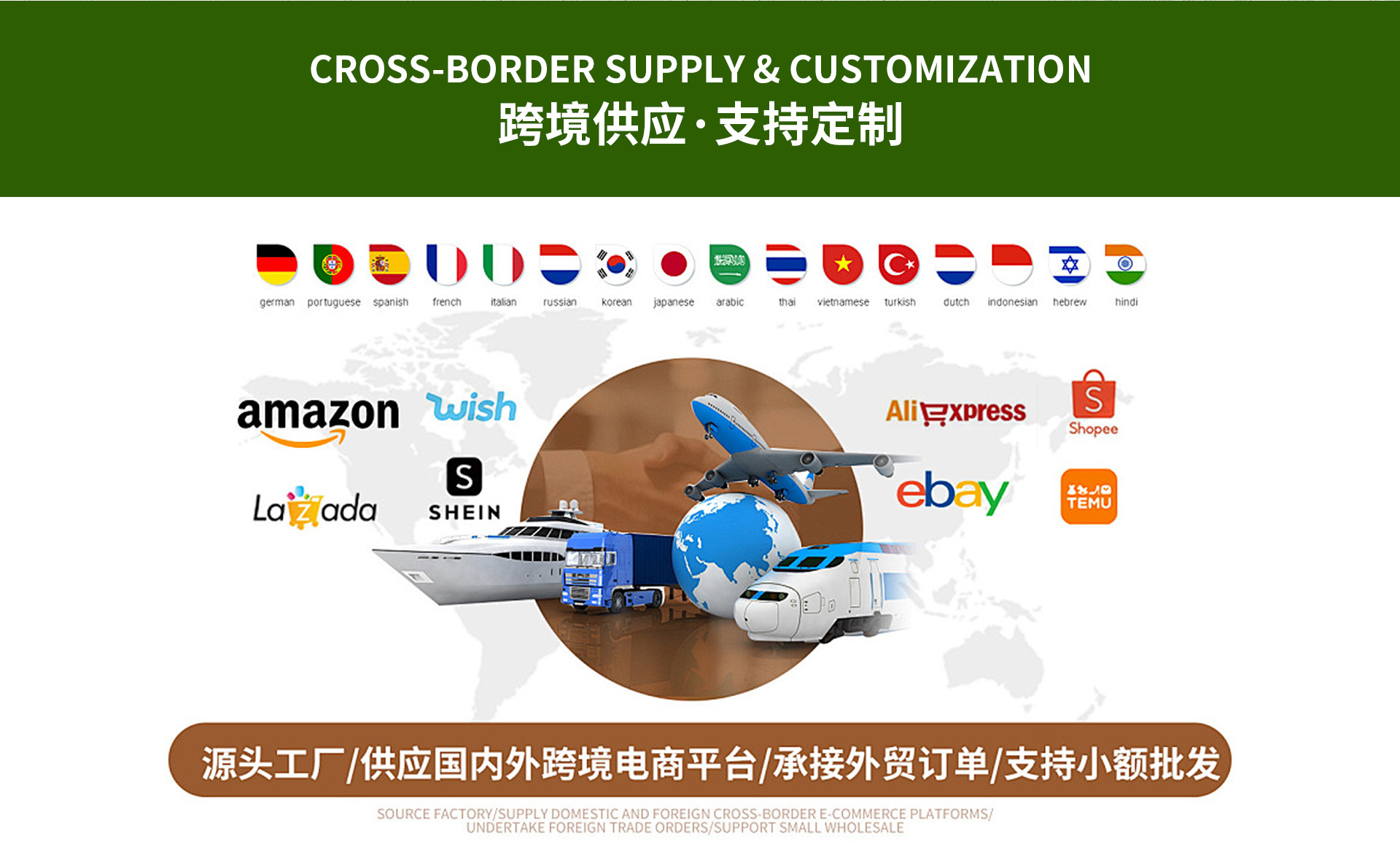
Beijing Haining Times Technology Co., Ltd. is a premier manufacturer specializing in commercial consumer appliances and food processing equipment. With verified manufacturing credentials and extensive export experience, we maintain consistent raw material stock and complete production lines for core equipment like automated noodle makers, commercial ice cream systems, and multi-functional kitchen machinery. We support rapid customization (OEM/ODM) to meet the precise engineering and electrical requirements of Japanese distributors, food service chains, and regional convenience hubs.
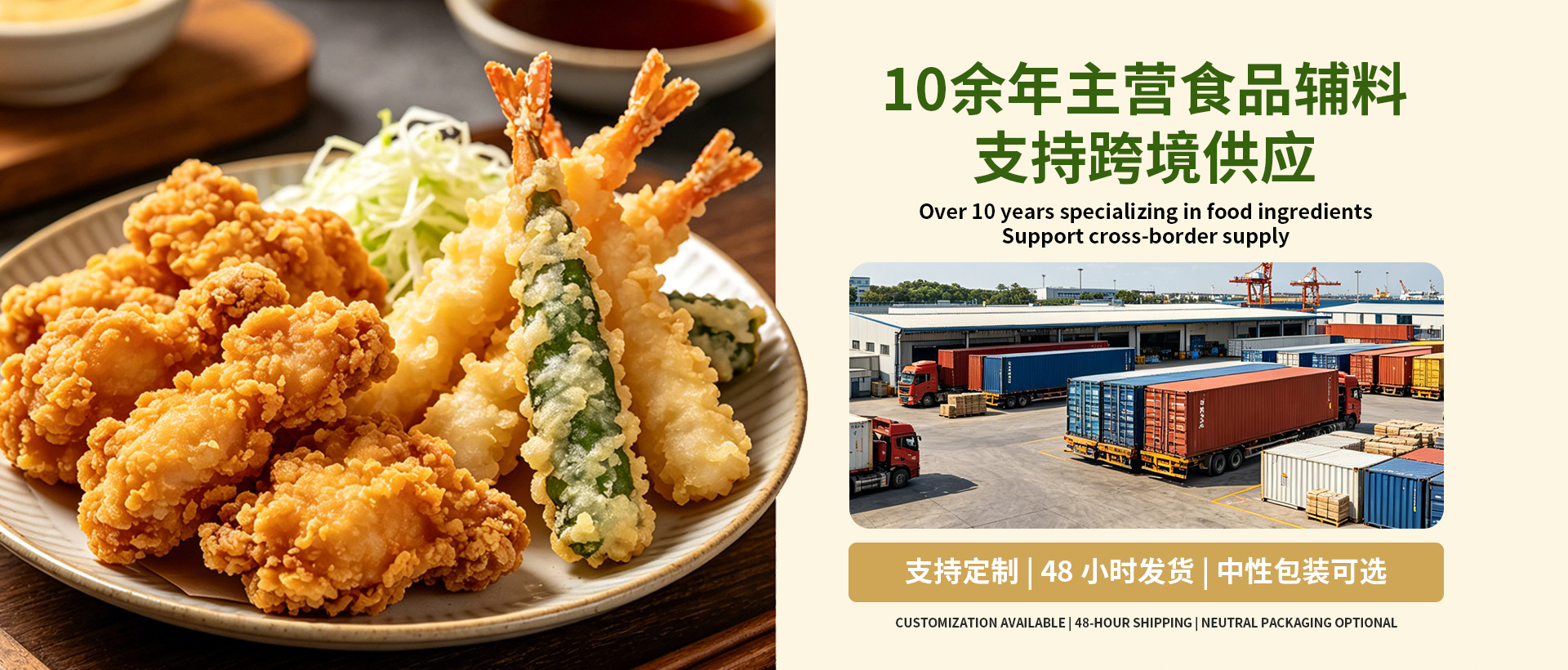

Navigating Tokyo's strict importing frameworks requires absolute precision in chemical, agricultural, and trace metal verification.
Japan's Ministry of Health, Labour and Welfare (MHLW) enforces the Positive List System for agricultural chemical residues. All our dehydrated vegetables, flour mixes, and seaweed products undergo rigorous gas chromatography-mass spectrometry (GC-MS) testing prior to shipment to ensure zero residual pesticide cross-contamination.
For our high-performance Panko breadcrumbs and coating powders, we verify the genetic purity (non-GMO wheat sourcing) and ensure compliance with the Food Sanitation Act. We provide comprehensive allergen reports (wheat, soy, egg trace elements) mandatory for labeling under Japanese Consumer Affairs Agency rules.
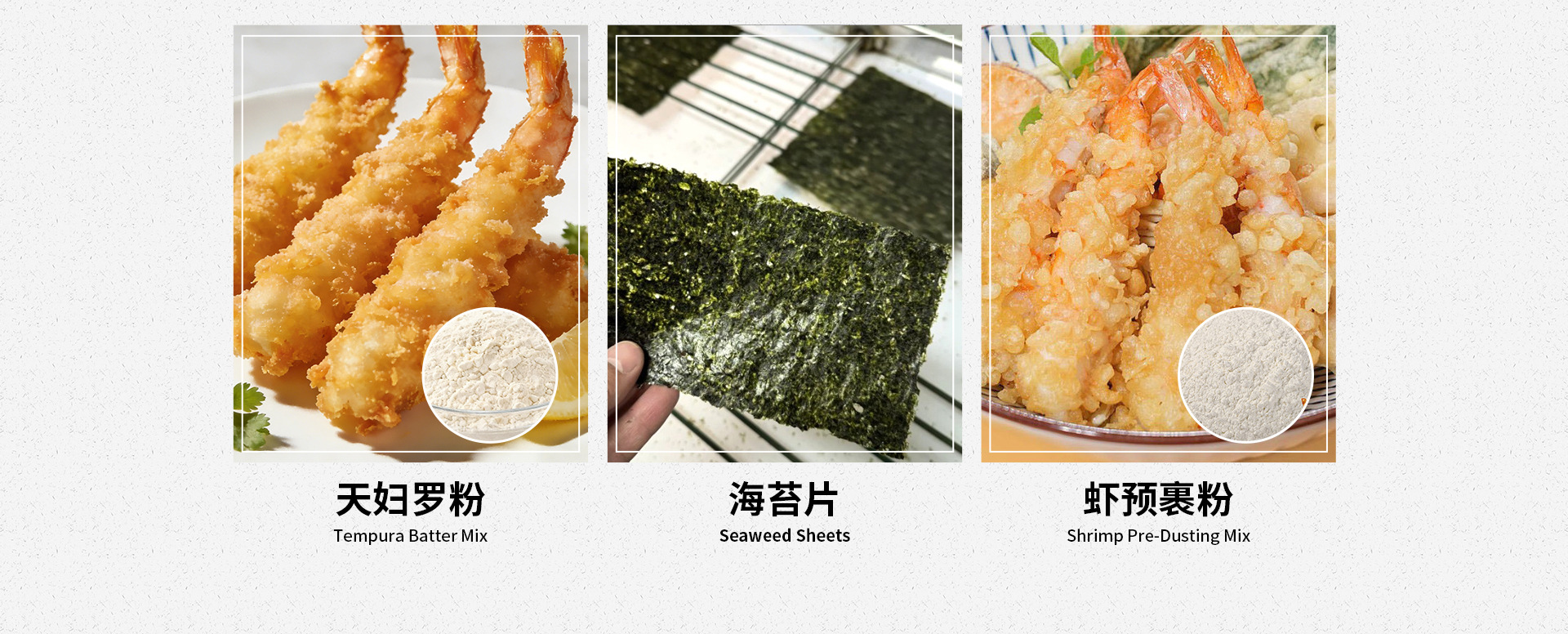
Additionally, our high-yield Nori sheets are monitored for marine-derived heavy metals (Cadmium and Lead) and biological contaminants (Aerobic Plate Count < 3,000 CFU/g, Coliforms Negative), allowing smooth clearance at the Port of Tokyo or Port of Yokohama.
From quick-service restaurants in Shinjuku to high-throughput industrial central kitchens in Saitama supplying the Tokyo metro area.
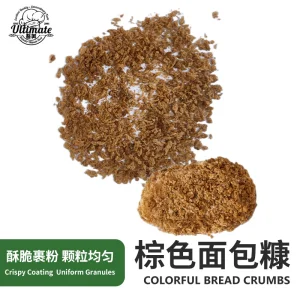
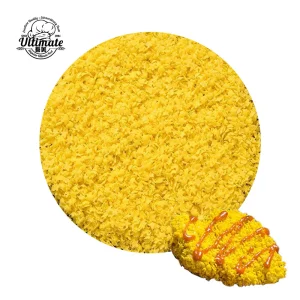
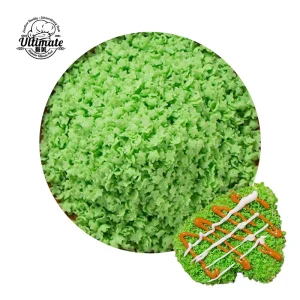
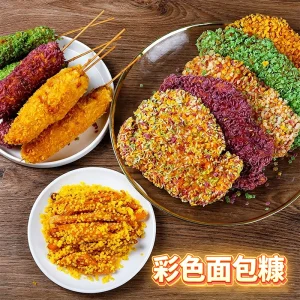
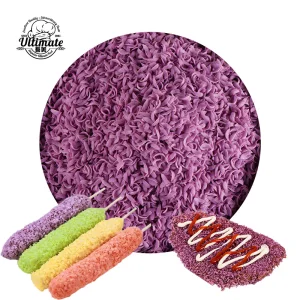
Our micro-refined colored breadcrumbs and starch powders are designed to preserve the crispness of fried cutlets (Tonkatsu) in high-humidity cold display units, ensuring no moisture migration from meat to coating.
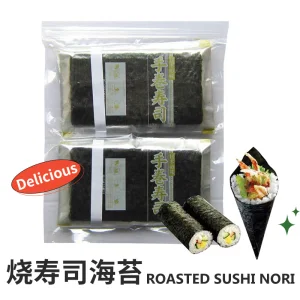
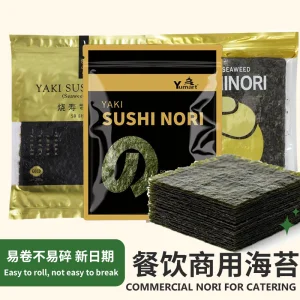
Export-grade Sushi Nori provides the precise tensile strength required for automated high-speed roll wrapping machinery without tearing, maintaining rich umami profiles and crisp structural integrity.
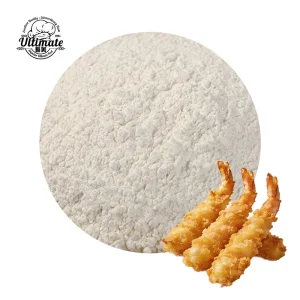
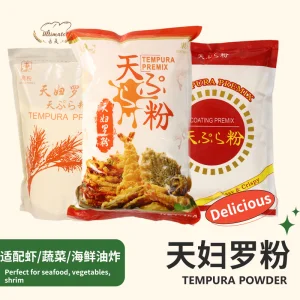
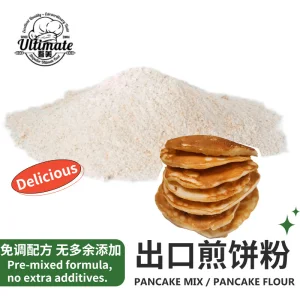
Our tempura premixes and bulk pancake batters are formulated for effortless reconstitution in high-volume kitchens, guaranteeing consistent viscosity across multiple franchise locations.
As global supply chains adapt to climate pressures, our R&D roadmap focuses on carbon-neutral processing. We are transitioning our dehydration lines to modern Microwave Vacuum Dehydration (MVD) technology. Compared to traditional hot-air drying, MVD preserves up to 92% of natural vitamins, retains vibrant vegetable pigmentation without artificial colorants, and reduces energy consumption by 35%.
We are also developing smart coating systems utilizing specialized plant fibers to reduce oil absorption in fried foods by up to 25%—supporting the increasing demand in Tokyo for healthier, low-calorie convenience foods.
Integration of real-time moisture sensors across all grain and seaweed processing steps.
Replacing standard single-use plastics with biodegradable, high-barrier dry storage materials.
Optical sorting systems to guarantee zero impurities in exported dried herbs and breadcrumbs.
Premium tempura powders, colored breadcrumbs, and pancake bases formulated for consistent density, texture, and performance in industrial food production.
Technical, logistical, and compliance answers for sourcing directors and food engineers in the Tokyo metropolitan area.
Get in touch with our commercial technical sales department to request certified lab reports, physical samples of our breadcrumbs, or machinery engineering drawings configured for the Japanese market.
 Baking Supplies